

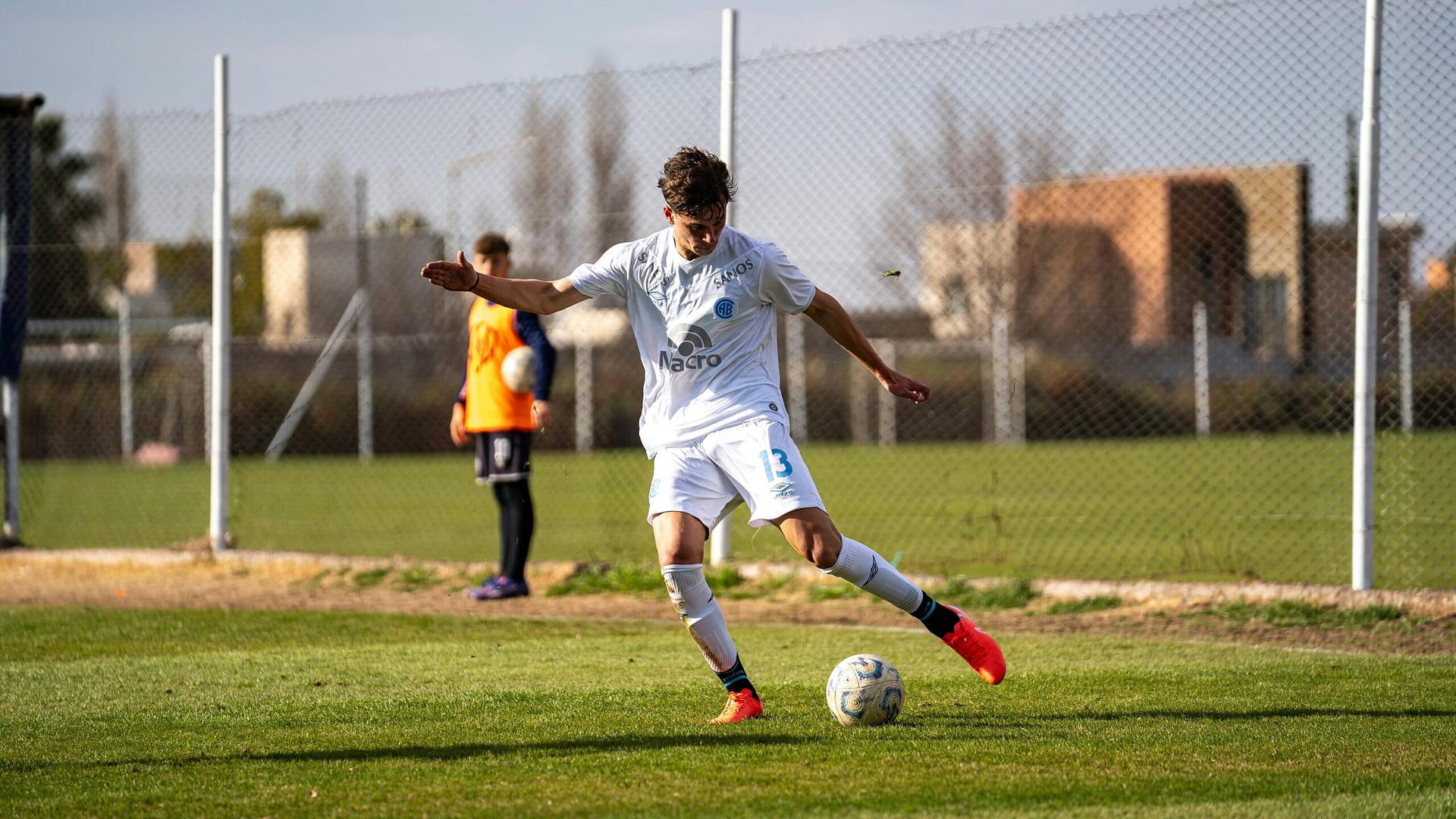
Here is a truth most coaches don’t want to face: the majority of goals at every level of soccer come from players who can win their duels. Look at any match closely and you’ll see the same pattern someone beats a defender, the defense collapses, and chaos follows. That’s why one on one soccer training is not a “nice-to-have,” it’s the foundation of player development.
If your players can’t take someone on, they’re predictable, easy to defend, and frankly harmless. This article breaks down why 1v1 attacking drills is the engine behind confident, creative players and how coaches can actually train it properly and learn more about it on goalnyx.
We’ll cover age-appropriate progressions, practical drills that work in real sessions, and the most common mistakes that keep kids stuck. No fluff, no magic cones, no wasted time. These are actionable drills you can run today to improve attacking skills for kids and build players who want the ball instead of hiding from it.
Why 1v1 Attacking Skills Matter in Youth Soccer
If you strip soccer down to its core, it’s a game of decisions made under pressure. 1v1 moments force players to read space, judge risk, and act quickly. That’s why youth soccer skill development lives or dies in these situations. When a child learns how to beat an opponent, they also learn when not to.
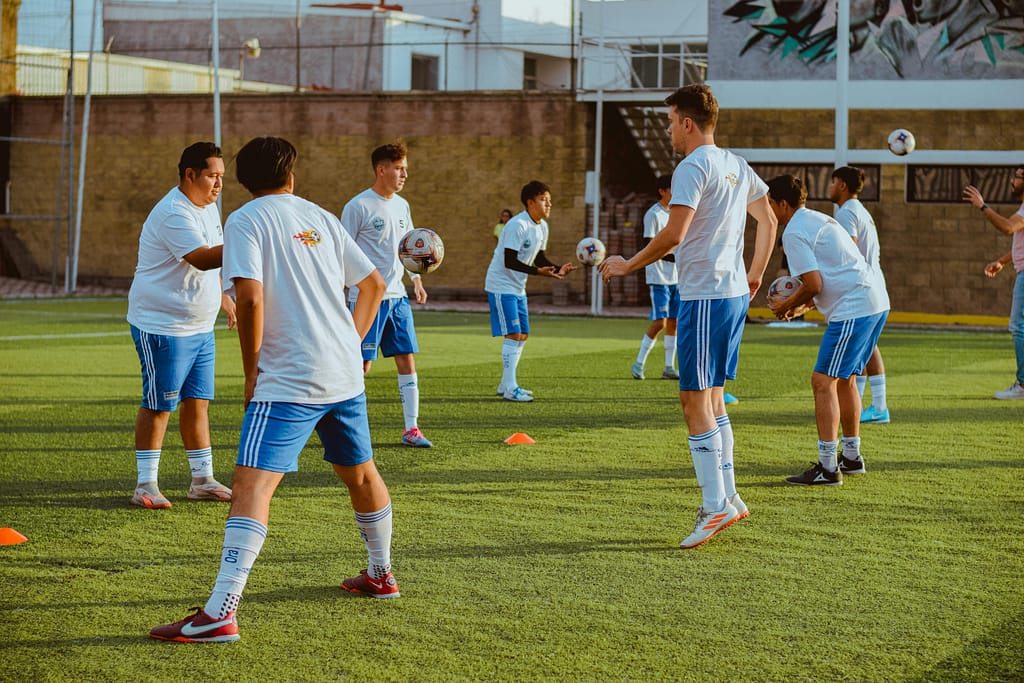
Confidence grows because the fear of losing the ball shrinks, and that confidence spreads into passing, shooting, and movement off the ball. Players who can handle beating defenders in soccer create goal-scoring chances even when team shape breaks down. They learn body feints, timing, and awareness without being lectured.
There’s also a critical window between ages 8 and 14 where coordination, balance, and bravery are most trainable. Miss that window and you spend years fixing what should’ve been natural. Strong 1v1 ability feeds into creative soccer players development, turning safe passers into dangerous attackers who can decide games instead of just surviving them.
Key Principles Before You Start
Before you throw players into drills, understand this: garbage fundamentals produce garbage outcomes. Everything starts with touch. If a player can’t control the ball cleanly, no amount of moves will save them. That’s where soccer ball control exercises and soccer ball mastery matter. Next, speed is non-negotiable. Slow, walking drills lie to you. Real defenders don’t jog, so neither should attackers.
Risk-taking must be encouraged because safe players don’t grow. If kids are afraid to fail, you’ve already lost. Drills also need to look like the game. Direction, targets, and pressure turn dancing into learning. This is where isolation drills soccer become powerful when used correctly. Complexity must match age; what works for U8s will bore U14s. Smart soccer coaching drills scale difficulty without killing confidence, building players who can attack with purpose instead of panic.
Beginner 1v1 Attacking Drills (Ages 6–9)
At this age, simplicity wins. The Cone Gate Dribble Race introduces young players to speed dribbling exercises without overwhelming them. Players race through gates while keeping the ball close, learning that speed and control can coexist. Red Light, Green Light with defenders adds stopping and starting, naturally introducing youth soccer footwork and awareness.
Treasure Island uses safe zones to encourage change of direction drills, teaching kids to escape pressure instead of freezing. Finally, 1v1 to mini goals is where courage is built. Players face a defender and must attack with intent, discovering their first take on moves without being told what move to use.
These drills aren’t about perfection; they’re about comfort on the ball and removing fear early. When done right, they quietly lay the groundwork for all future attacking success.
Intermediate 1v1 Attacking Drills (Ages 10–12)
This is where things get serious. The Gauntlet forces players through multiple defenders, developing stamina and composure under pressure. It blends soccer agility drills with real decision-making. End Zone Attack teaches players how to win space instead of just beating a man, a key step toward attacking third drills.
Adding a target player in 1v1 situations introduces the choice: do I dribble or combine? That’s the bridge between individual skill and team play. Shadow Defending evolves into live duels, sharpening recognition of body shape and space.
King of the Ring compresses everything into tight areas, demanding tight space control drills and quick turns. This age group thrives on challenge, and properly designed small-sided games soccer amplify learning without killing fun. Done right, players start to look dangerous instead of rushed.
Advanced 1v1 Attacking Drills (Ages 13+)
Older players need realism. 1v1s from wide areas replicate match scenarios where attackers must cut inside or go outside, refining soccer feinting techniques and finishing angles. Counter-attack 1v1s train players to explode into space, blending pace with decision-making and true breakaway training soccer.
Adding a supporting player in 1v1+1 situations introduces combination play, wall passes, and manipulation of defenders, all while maintaining attacking aggression. These drills challenge players physically and mentally, preparing them for higher-level competition. This is also where pressing resistance drills matter, forcing attackers to protect the ball under intense pressure. Training must match the demands of the game or it’s just exercise.
Coaching Tips to Maximize 1v1 Development
If you step in every time a player struggles, you’re not helping, you’re actively holding them back. Real youth soccer skill development happens in uncomfortable moments, especially during one on one soccer training.
When players are constantly rescued, they never learn how to solve problems on their own. Instead of giving answers, ask questions that force reflection. This approach accelerates learning far more than shouting instructions during soccer coaching drills.
Creativity must be celebrated, not punished. A failed take-on attempt using proper take on moves soccer is far more valuable than a safe sideways pass that avoids risk. This mindset is essential for creative soccer players development, where confidence and bravery matter more than perfection. Using video analysis allows players to see habits they can’t feel, especially during youth soccer dribbling drills and tight space control drills.
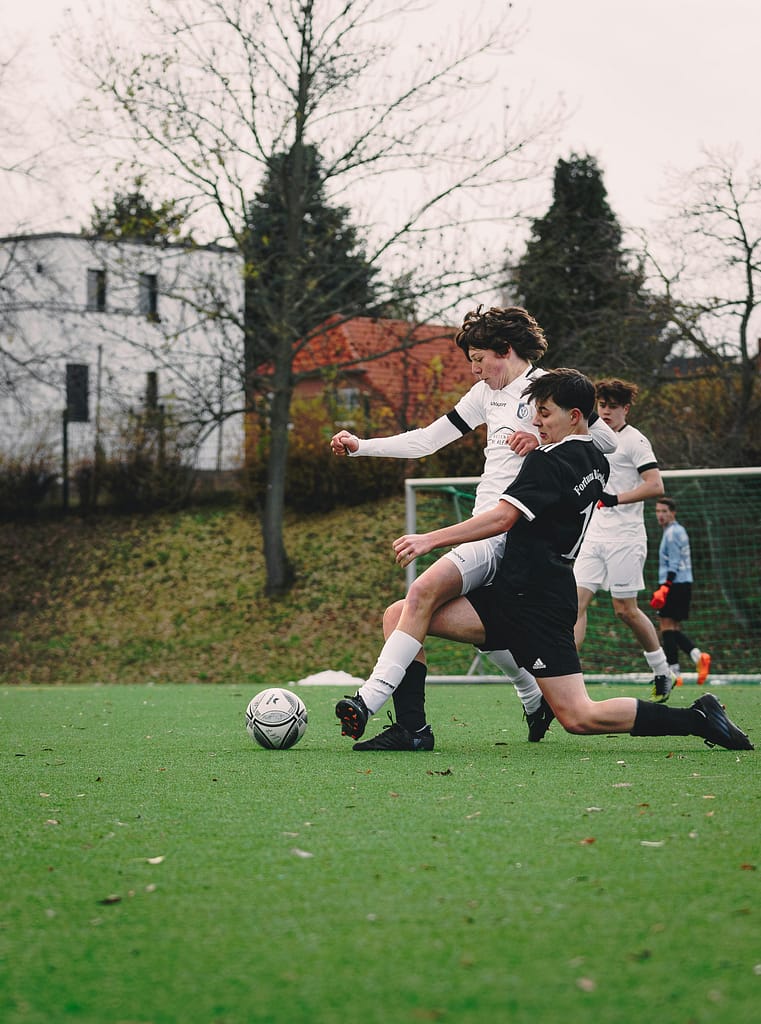
Varying defenders is another overlooked tool. Different pressure styles force attackers to adapt, sharpening decision-making and improving beating defenders in soccer situations. This adaptability is crucial in soccer training for U10/U12/U14 (age-specific) environments, where players are still forming their soccer identity. The ultimate goal isn’t producing robotic players who follow instructions, it’s developing thinkers who can read the game, trust their skills, and attack with purpose.
Common Mistakes Youth Players Make in 1v1s
Most mistakes are predictable. Players dribble with their head down, move the same way every time, or take too many touches. Others forget to use their body, ignoring shielding the ball drills they’ve practiced.
Some try to dribble when a pass is smarter, showing poor game awareness. These aren’t talent issues, they’re training issues. Fix the environment and the habits follow.
Progression Framework: When to Level Up
Players are ready to progress when they can consistently win duels, stay calm under pressure, and choose the right action instead of panicking. If a player can regularly succeed in beating defenders in soccer, maintain control, and keep their head up, it’s a clear sign their current level is no longer challenging enough. At that point, progression is essential for real youth soccer skill development.
The best way to level up is by adjusting constraints, not by overcomplicating drills. Shrinking the space forces sharper soccer ball control exercises and better tight space control drills. Adding time pressure improves speed of thought and execution, while extra defenders introduce realistic chaos similar to small-sided games of soccer. These progressions naturally demand better soccer agility drills, smarter movement, and cleaner change of direction drills. However, individual growth should never exist in isolation.
Players must learn when to use their one on one soccer training skills and when to connect with teammates. That’s why individual work must link with team concepts, allowing finishing drills for youth and combination play to develop side by side. Smart progression stretches players just beyond comfort, building confidence and creativity without overwhelming them or killing their desire to attack.
Frequently Asked Questions
What are the best youth soccer dribbling drills for beginners?
Start with cone gate races and red light-green light games. Focus on ball control exercises and soccer footwork basics before adding defenders. Youth soccer skill development requires mastering touch and change of direction drills first. Progress to live 1v1s once players can dribble confidently at speed without losing possession.
How do I teach beating defenders in soccer to young players?
Use small-sided games with passive defenders initially. Teach feinting techniques and take on moves like step-overs and body feints. Emphasize speed dribbling and attacking skills for kids through repetition. Film sessions so players visualize themselves successfully pressing resistance and making quick decisions under pressure.
What soccer ball mastery skills help with one on one soccer training?
Essential skills include tight space control, shielding the ball, and turning techniques. Practice soccer agility drills to improve balance and coordination. Focus on attacking third drills that simulate game situations. Combine footwork patterns with decision-making scenarios. Players need thousands of touches to develop automatic responses during isolation drills.
When should creative soccer players development include 1v1 drills?
Start at age 6 with fun-based games. Ages 8-14 are critical for youth soccer skill development. Use soccer coaching drills that match developmental stages. U10s need basic ball control exercises, while U14s handle complex finishing drills and breakaway training. Consistent practice builds confidence and reduces fear of beating defenders.
How often should youth teams practice attacking skills for kids?
Incorporate one on one soccer training in every session, minimum 10-15 minutes. Dedicate two full sessions weekly to youth soccer dribbling drills for serious development. Mix take on moves, change of direction drills, and small-sided games. Repetition builds soccer ball mastery and automatic decision-making during matches.
Conclusion
Consistent one on one soccer training is one of the fastest ways to turn hesitant players into confident, unpredictable attackers. When young players repeatedly face defenders in realistic situations, they learn far more than just tricks.
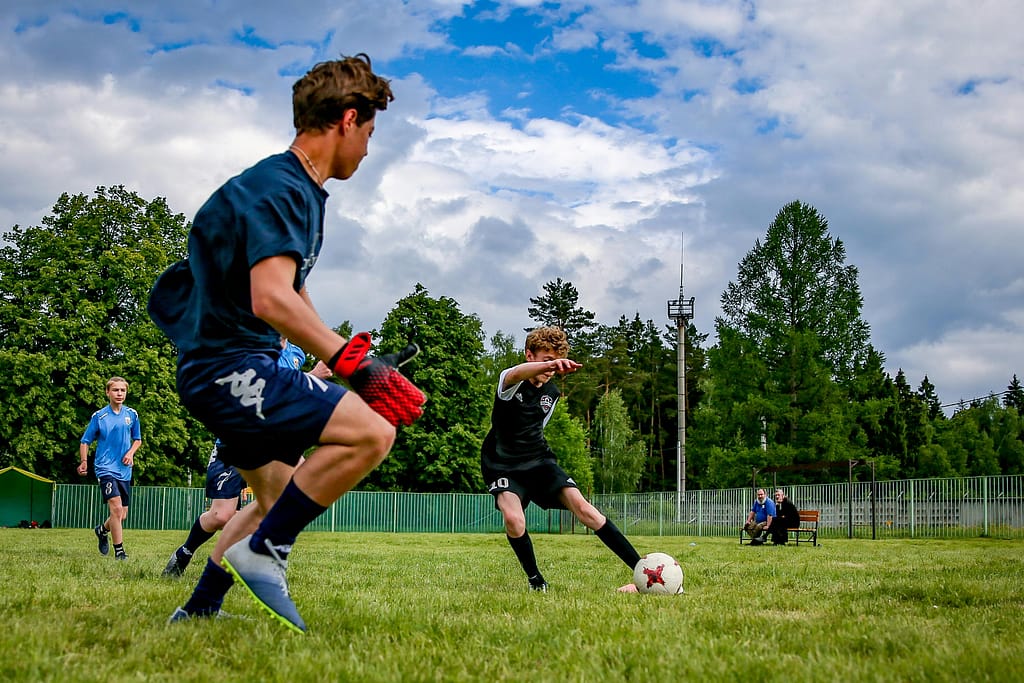
They develop decision-making, bravery, and composure under pressure, which are essential for long-term youth soccer skill development. Starting with just two or three well-designed soccer coaching drills is far more effective than running a different activity every session. Repetition allows players to refine their soccer ball control exercises, experiment with soccer feinting techniques, and understand how to apply take on moves soccer in real game moments.
As players grow, these drills should scale in intensity and complexity, evolving into more demanding youth soccer dribbling drills and realistic isolation drills soccer. This progression helps players improve beating defenders in soccer while also strengthening soccer agility drills and change of direction drills.
Over time, attackers become comfortable operating in tight spaces, using tight space control drills and shielding the ball drills to protect possession. True mastery doesn’t come from endless variety or flashy setups; it comes from purposeful repetition that builds instincts, confidence, and creativity, forming players who can influence games when it matters most.