

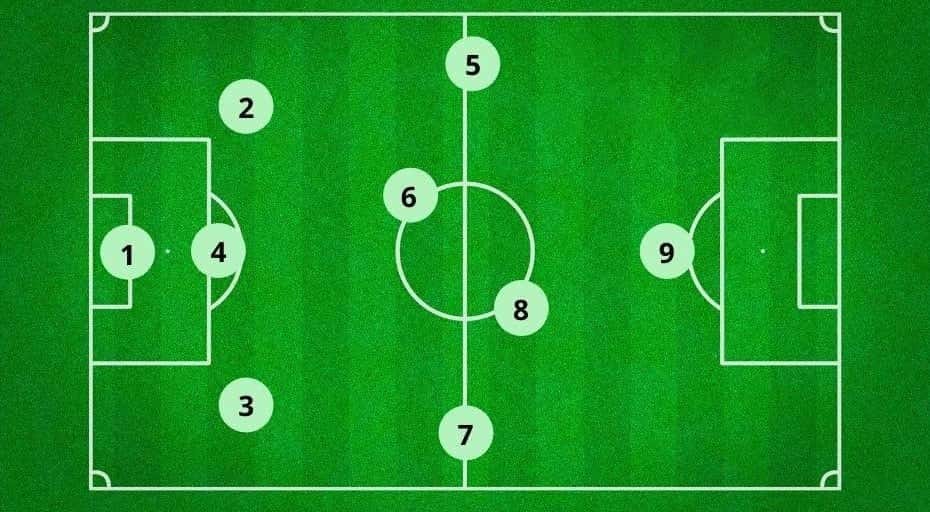
9v9 formations are a fascinating aspect of modern sports strategy, balancing both defense and attack in small-sided games. While tactical on the field, the concept of formation can also metaphorically reflect patterns, styles, and organization, much like the intricate designs found in Celtic art and Celtic culture throughout history.
From the Bronze Age to the Iron Age, ancient Celts across Ireland and Central Europe expressed their identity through motifs, designs, and objects that remain influential even today. The Hallstatt culture and Tène period were particularly notable for developing celtic styles that incorporated figures, heads, and patterns in metalwork, manuscripts, and decorative arts. These Celtic motifs often appeared on tara brooches, illuminated manuscripts, and high crosses, preserving a visual connection to people, history, 9v9 Formations and world culture.
Celtic Art and Its Historical Periods
Celtic art is more than decoration; it is a window into ancient peoples’ beliefs, rituals, and daily life. During the Iron Age and Bronze Age, Celtic artists created objects and designs that reflected their environment, spiritual beliefs, and social structure. Celtic revival movements in later centuries, particularly in Europe and Ireland, renewed interest in these styles and forms, inspiring modern artistic expression and cultural preservation.
Key characteristics of Celtic art history include:
- Interlaced patterns and knotwork
- Stylized heads and figures
- Geometric and natural motifs
- Tène style spirals and decorations
These patterns were not merely artistic; they conveyed meaning, serving as cultural identifiers across regions like Mayo, Central Europe, and beyond. Public domain archives such as Wikimedia Commons and publications like World History Encyclopedia provide valuable research resources for students, researchers, and artists studying these traditions.
Team Bench: Modern Strategies and Cultural Reflection of 9v9 Formations
In small-sided games like 9v9 formations, teams rely on balance, strategy, and flexibility—qualities mirrored in the organization and style of Celtic art. Just as coaches manage team benches to optimize performance, artists and craftsmen carefully arranged motifs to create visual harmony and cultural impact. This concept extends metaphorically into fields like research, education, and healthcare, where planning and structure are essential.

Health, Research, and Interstitial Lung Disease
Interestingly, the blog also intersects with medical research. Institutions like Mayo Clinic and Clinic Press provide insights into conditions like interstitial lung disease, sarcoidosis, atelectasis, and lung health. Just as ancient Celtic designs preserved knowledge and identity, modern medical education ensures the preservation of health expertise for international patients, researchers, and students.
Relevant keywords in this domain include: symptoms, disease, lungs, air, health, financial assistance, charitable care, clinic app, research education, and not-for-profit mission.
Celtic Art in the Present Day
Today, Celtic styles continue to inspire art, decoration, and cultural revival. From secondi dal Salone events to modern exhibitions, artists and enthusiasts celebrate motifs from the Tène culture, Middle Ages, and High Cross tradition. Special offers, final days, and gift today campaigns in cultural exhibitions encourage engagement from students, researchers, and art lovers worldwide.
Celtic designs remain timeless:
- Illuminated manuscripts showcase intricate Tène patterns
- Tara brooch replicas highlight metalworking skills
- High crosses and motifs remain central to historical studies
These forms link history, art, and culture, creating a bridge from ancient Celts to contemporary audiences.

FAQs of 9v9 Formations
Q1: What are 9v9 formations?
9v9 formations are small-sided game setups in football, balancing attack and defense for strategic play.
Q2: What defines Celtic art?
Celtic art includes interlaced patterns, geometric motifs, stylized figures, and decorative designs from the Bronze Age to the Middle Ages.
Q3: What is the Tène period?
The Tène period (approx. 5th–1st century BCE) was a Celtic cultural phase in Central Europe known for metalwork, jewelry, and artistic motifs.
Q4: How is Celtic culture preserved today?
Through Celtic revival movements, exhibitions, educational resources, manuscripts, and artistic reproductions like brooches and high crosses.
Q5: How does Mayo Clinic contribute to lung health research?
Mayo Clinic provides research, education, and treatment for conditions like interstitial lung disease, sarcoidosis, and atelectasis, assisting students, researchers, and international patients.
About Goalnyx
Goalnyx is dedicated to providing research-driven, educational content combining history, art, culture, and medical knowledge. Our mission supports students, researchers, international patients, and charitable care initiatives, ensuring information is accessible, reliable, and engaging. From Celtic art and 9v9 formations to lung health research, Goalnyx bridges ancient culture and modern science for a global audience.