
Soccer is the world’s most loved sport, and while the spotlight often shines on the official match soccer ball size 5, the humble miniature soccer ball holds its own unique place in training, skill development, and recreation. Whether you’re looking for 3 soccer ball sets, searching for a red soccer ball size 3, or comparing options between size 4 football match balls and soccer size 5, understanding the wide variety of ball sizes and purposes can be the key to choosing the right one.
In this guide, we’ll cover everything from the history of soccer ball sizes to why the miniature soccer ball is becoming increasingly popular among coaches, players, and collectors. We’ll also explore topics like autographed soccer balls, ball size charts, and how brands like Goalnyx provide innovative options for today’s soccer enthusiasts.
What Is a Miniature Soccer Ball?
A miniature soccer ball is a scaled-down version of the standard ball, often ranging from size 1 to size 2, though some customized mini balls can be even smaller. While these balls are not used in professional matches, they serve multiple purposes:
- Perfect for young children beginning to learn the sport.
- Used for skill practice like juggling, dribbling, and control.
- Popular as promotional giveaways and signed soccer balls for fans.
- Great for collectors who enjoy owning autographed soccer balls in unique sizes.
Miniature balls aren’t just for play—they’re often seen as fun souvenirs that capture the spirit of the game.
Understanding Soccer Ball Sizes
To fully appreciate the role of the miniature soccer ball, it’s important to understand the standard soccer ball sizing system. Here’s a ball size chart breakdown:
- Size 1 – Miniature soccer ball: Used for skills, practice, or as collectibles.
- Size 3 soccer ball: Often considered a “kids’ ball,” ideal for ages 6–8.
- Size 4 soccer balls: Designed for ages 9–12, slightly smaller than full-size.
- Size 5 soccer balls: The normal size ball, official for ages 13 and above.
This sizing system ensures players gradually adapt to larger balls as their skills and strength develop.
Why Choose a Size 3 Soccer Ball?
When parents search for a 3 soccer ball or football ball size 3, they’re usually shopping for children. A soccer size 3 has several benefits:
- Lightweight, making it easier for kids to kick and control.
- Reduces risk of injury compared to heavier balls.
- Helps build confidence and coordination in young players.
Some brands offer unique options like a red soccer ball size 3 or black and white soccer balls in size 3, adding fun and personalization to kids’ practice.
The Value of Size 4 Footballs
As children grow older, transitioning to a soccer ball 4 or size 4 football match balls is the next step. This ball is slightly larger than size 3 but not as heavy as size 5 footballs, which makes it perfect for skill development between ages 9–12.
Some players also enjoy training with a blue soccer ball size 4 or even blue and black soccer balls, as colors can make the experience more engaging.
The Standard: Match Soccer Ball Size 5
The football ball size 5 or soccer size 5 is the official size used in professional matches worldwide. A match soccer ball size 5 is built for precision, durability, and performance. Features include:
- Premium outer materials for better aerodynamics.
- Strong bladder construction to maintain shape and air.
- Used in all major leagues, from FIFA to UEFA.
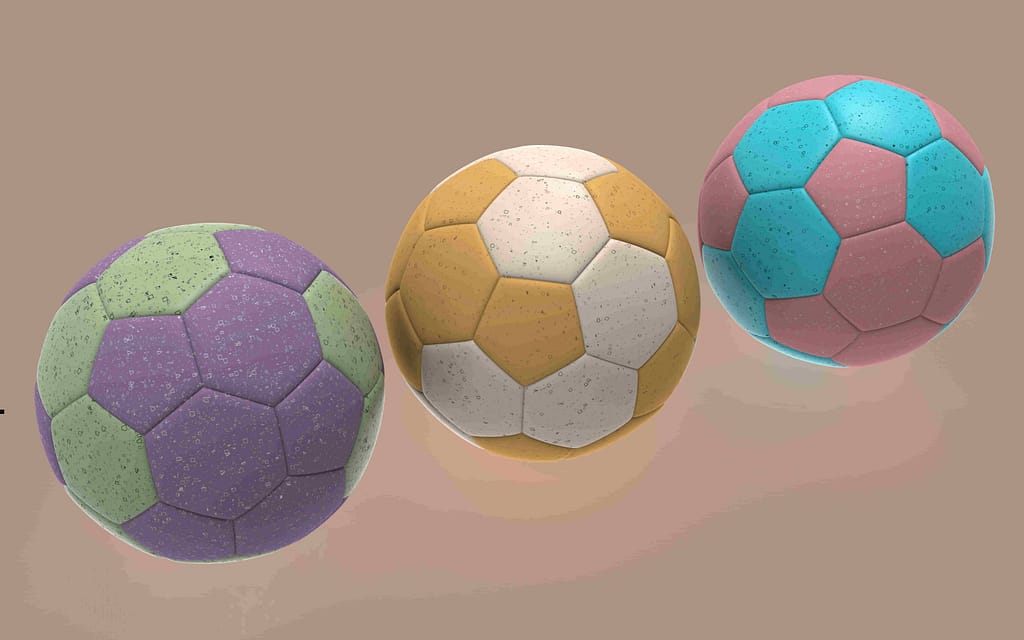
Fans often collect size 5 cool soccer balls, ranging from the classic football ball black and white design to modern vibrant versions like blue soccer ball size 5 or usa soccer ball size 5.
Collectibles: Autographed and Signed Soccer Balls
For enthusiasts, signed soccer balls are a prized possession. Whether it’s an autograph from a famous player or a special edition autographed soccer ball, these items blend sports passion with collectible value. Interestingly, many autographs are placed on miniature soccer balls, since they’re easier to display and store than full-size versions.
Practical Gear: Ball Pumps and Bulk Packs
A soccer ball is only as good as its inflation. For teams, coaches, or schools, ball pumps bulk options are crucial for keeping equipment ready. Similarly, soccer ball packs or pack of soccer balls size 5 offer cost-effective solutions for practice sessions.
Shops also provide wholesale soccer balls size 5 and size 4 soccer balls bulk, catering to academies and training camps. Bulk buying ensures consistent quality and availability.
Creative Variations in Soccer Balls
Today, the market offers exciting variations beyond the classic black and white soccer balls. Some of the trending choices include:
- Blue football ball or blue white soccer ball for a refreshing look.
- Black soccer ball for a bold and sleek design.
- Bulk adidas soccer balls with professional branding for teams.
These options allow players to match their style while staying performance-ready.
The Biggest and Largest Soccer Balls
While miniature soccer balls dominate the small end of the spectrum, brands have also experimented with oversized designs. The biggest soccer ball and largest soccer ball ever created are often used for promotional events, Guinness World Record attempts, or fan engagement. These balls highlight the versatility of soccer’s most iconic equipment.
Choosing Between Training and Match Balls
When buying, it’s essential to distinguish between training balls and match balls:
- Training balls: Durable, made for repeated use, and often sold in bulk packs.
- Match balls: Premium build, designed for official matches, e.g., match soccer ball size 5.
Coaches often recommend using a normal size ball for practice once players reach teenage years but suggest starting with size 3 ball or soccer ball 4 for younger groups.
How to Maintain Soccer Balls
To extend the life of your soccer balls:
- Store them indoors to avoid extreme weather damage.
- Use proper ball pumps bulk rather than over-inflating.
- Clean with mild soap and water—especially colored ones like blue and black soccer ball or red soccer ball size 3.
These practices ensure durability whether you’re handling wholesale soccer balls size 5 or collectible signed soccer balls.
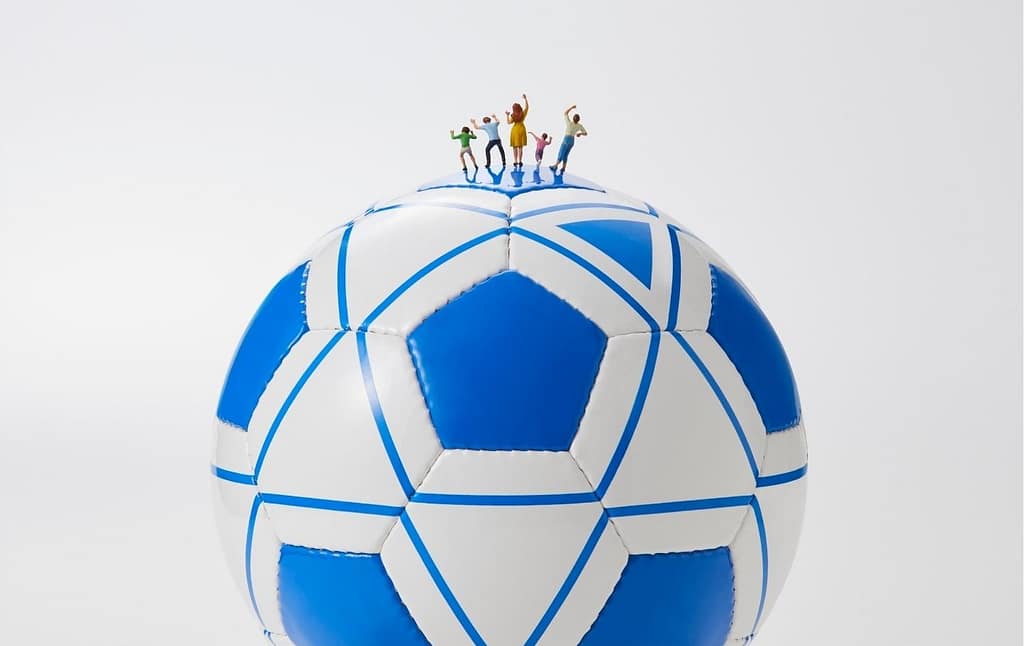
Soccer Ball Size Chart
Choosing the right soccer ball depends on age, skill level, and purpose. Here’s a ball size chart to help you decide whether a miniature soccer ball, size 3 ball, or size 5 football ball is best for your needs:
| Ball Size | Name/Type | Age Group | Circumference (inches) | Weight (grams) | Common Use Cases |
| Size 1 | Miniature Soccer Ball | All ages | 18–20 | 195–200 | Collectibles, skill practice, autographed soccer balls |
| Size 3 | Kids’ Soccer Ball | 6–8 years | 23–24 | 300–320 | Youth training, beginner practice |
| Size 4 | Youth Soccer Ball | 9–12 years | 25–26 | 350–390 | Skill development, youth matches |
| Size 5 | Match Soccer Ball | 13+ years, adults | 27–28 | 410–450 | Official matches, training, professional games |
Conclusion
From the smallest miniature soccer ball to the largest soccer ball ever created, every size has its unique role in the sport. For kids, a size 3 ball is the ideal start. As they grow, soccer ball 4 bridges the gap before transitioning into the normal size ball—the soccer size 5 used in professional matches. Collectors enjoy autographed soccer balls, while teams benefit from ball pumps bulk and soccer ball packs.
No matter your need—whether it’s a fun blue white soccer ball, a training pack of soccer balls size 5, or the smallest miniature soccer ball for juggling—the world of soccer offers endless possibilities.
At Goalnyx, we bring innovation and quality together, offering a wide range of soccer gear, from miniature soccer balls to professional-grade match soccer ball size 5 options. Whether you’re a coach, a player, or a passionate fan, Goalnyx ensures you get the best in performance, durability, and design.
FAQs
1. What is a miniature soccer ball used for?
A miniature soccer ball is mainly used for skill practice, collectibles, or as a promotional item. It’s also popular for juggling and as a display item for autographs.
2. What size soccer ball should kids start with?
Kids under 8 should start with a size 3 soccer ball. This is lightweight, safe, and easier to control.
3. Are size 4 footballs used in professional matches?
No, size 4 football match balls are not used in professional matches. They are designed for youth players aged 9–12. Professionals always use match soccer ball size 5.
4. What’s the difference between training balls and match balls?
Training balls are built for durability and bulk use, while match balls are premium and used in official games.
5. Where can I buy soccer balls in bulk?
You can find wholesale soccer balls size 5, soccer ball packs, and size 4 soccer balls bulk online or through specialized suppliers like Goalnyx.