
how many quarters in soccer? I still remember watching the 2022 World Cup final game, surrounded by fans who had waited for this moment in history. The match drew over 16.7 million views, with casual viewers and lifelong supporters alike glued to the clock as it ticked beyond 90 minutes. Many wondered why this popular sport seemed to stretch on for hours, but as someone who has both played and studied the game, I can tell you it’s a fascinating mix of factors contributing to game length.
A soccer game doesn’t follow the quarter system like other sports. Instead, it’s divided into two 45-minute halves, making a total of 90 minutes of regulation play. Between them, there’s a 15-minute halftime break, giving players a moment to reset before the second half. But that’s only the start. The average stoppage time adds roughly seven minutes per game, compensating for breaks, penalty kicks, injuries, or substitutions.
In some tournaments, especially the World Cup, things get even more intense. When matches are tied after regulation, extra time adds 30 minutes—split into two 15-minute halves—and if the score still holds, penalty shootouts take over. These include five stages, each full of pressure, sometimes ending in a sudden death stage that keeps players and fans holding their breath. I’ve seen games like these extend well past three hours, testing endurance and focus at every level.
Across different age groups and levels, from youth to professional, soccer games share the same heartbeat—the constant motion, strategy, and passion that make it more than just a sport. It’s an exploration of rhythm and patience, where every minute counts, and that’s what makes it timeless.
How Many Quarters In Soccer?
When I first started following soccer, I was one of those people curious enough to ask, how many quarters are in a soccer game? Coming from the US, where sports like Basketball and American Football are broken into four quarters, it felt natural to assume soccer worked the same way. But here’s the interesting fact—in soccer, there are no quarters at all. Instead, a regulation game is divided into two 45-minute halves, making it a total of 90 minutes of play.
Soccer organizations set rules for leagues across the world, but the structure remains consistent. The referee controls time, including any added time at the end of each half to make up for substitutions, activities, or stoppages during plays. After the first half, players head to the locker room for a 15-minute halftime break, where they rest, recover, and have a team talk with their coach. Once the intermission ends, they return to the field for the second half, ready to adjust tactics and push harder.
In professional soccer games, the pace is demanding—teams are constantly playing, the clock keeps running, and the game length is predetermined. Still, the referees have the option to extend play with stoppage time or extra time when tournaments require a winner. In college or youth soccer games, timing can vary based on age and skill level. For younger age groups, short periods of play and breaks are common, ensuring players learn the game while building endurance.
Some indoor leagues experiment with four quarters of 15 minutes, allowing frequent rest and recovery periods. But in professional play, the tradition of two 45-minute halves has stood firm. Over the years, I’ve seen how this matter of timing shapes the flow, discipline, and strategy of soccer—one of the few sports where every minute truly counts. When the referee finally blows the whistle after the remaining 45 minutes, you can feel the collective sigh of players, teams, and fans alike, knowing the game was fought with precision, patience, and passion.
How long are adult soccer games?
Adult and professional soccer leagues focus on physical performance and endurance, as players must operate at their maximum level throughout the game. Most matches have a fixed length of 90 minutes, which tests players’ stamina and ability to maintain high performance from start to finish. The structure and length of these games are designed to push endurance while keeping the match competitive and engaging.
World Cup Soccer Game Length
When people ask how many quarters are in soccer, it often leads to an interesting discussion about how this world-famous sport is structured differently from others. In prestigious tournaments like the World Cup, the format doesn’t follow quarters at all. Instead, games are played in two 45-minute halves with a 15-minute halftime between them. This standard setup makes up the 90 minutes of regulation time, and referees may add stoppage time at the end of each half to cover delays. I’ve watched countless matches where those added seconds completely changed the game.
In major competitions, such as the group stage and Round of 16, teams earn points through a ranking system—three for a win, one for a draw—based on the rules of the tournament style. When ties happen in single elimination rounds, extra time comes into play, consisting of two 15-minute halves. If the teams are still tied after that, the outcome moves to penalty kicks. Each team takes five rounds of shots, with players alternating turns against the opposing goal, and whoever scores more goals wins. Some older matches even had the thrilling Golden Goal or sudden death rule, where the game ended instantly once a team scored.
I remember one crazy event during a World Cup match that stretched nearly three hours—the tension was unmatched as both teams fought until the shootout conclusion. It’s those long, intense games, filled with endurance and emotion, that make soccer so unique compared to sports with quarters, proving that the beauty of this tournament lies in its flow and rhythm rather than constant breaks.
Professional Soccer Game Length
In professional soccer, the games are structured under the International Football Association Board (IFAB), the official governing body responsible for maintaining the Laws of the Game. Whether it’s international competitions or local leagues in the U.S., the IFAB rules clearly dictate how soccer games are played. According to these regulations, each match lasts 90 minutes, divided into two 45-minute halves with a 15-minute break in between. This format applies equally to both men’s and women’s matches around the world. Having followed and analyzed countless games over the years, I’ve seen how this consistent structure not only tests endurance but also keeps the rhythm of play smooth and fair across all levels of competition.
Women’s Soccer Game Length
In women’s professional soccer, the IFAB also governs pro leagues, applying the same rules as male leagues. Each game lasts 90 minutes, divided into two 45-minute halves with a 15-minute halftime break. Referees have the authority to add additional time when needed, ensuring the time lost to stoppages or substitutions doesn’t affect the fairness of the match. From personal experience watching these games, the consistency of this structure allows both leagues and players to maintain a balanced pace while keeping the flow of play intact.
College Soccer Game Length
The NCAA, as the governing body for American college sports, sets soccer rules that align closely with professional leagues, yet include unique adaptations. College games are 90 minutes, split into a 45-minute first half and a 45-minute second half, with subtle differences such as two-minute blocks at the end of each half for advertisement opportunities during televised games. In postseason structure, if teams are tied after regulation, they move into two 10-minute overtime periods, and if still unresolved, a penalty shootout decides elimination. For women’s college soccer, this can involve a single 20-minute overtime period, ensuring the competition is fair while accommodating the regulation and pace of college games.
How long are youth soccer games?
In adult soccer, the focus is on performance, pushing players to maintain high intensity throughout the match, while youth soccer emphasizes learning the fundamentals and understanding how to work as a team. Depending on age groups, youth soccer leagues often play shorter games, but as age groups change, the game gradually lasts longer, preparing players for more competitive soccer environments while still teaching essential skills.
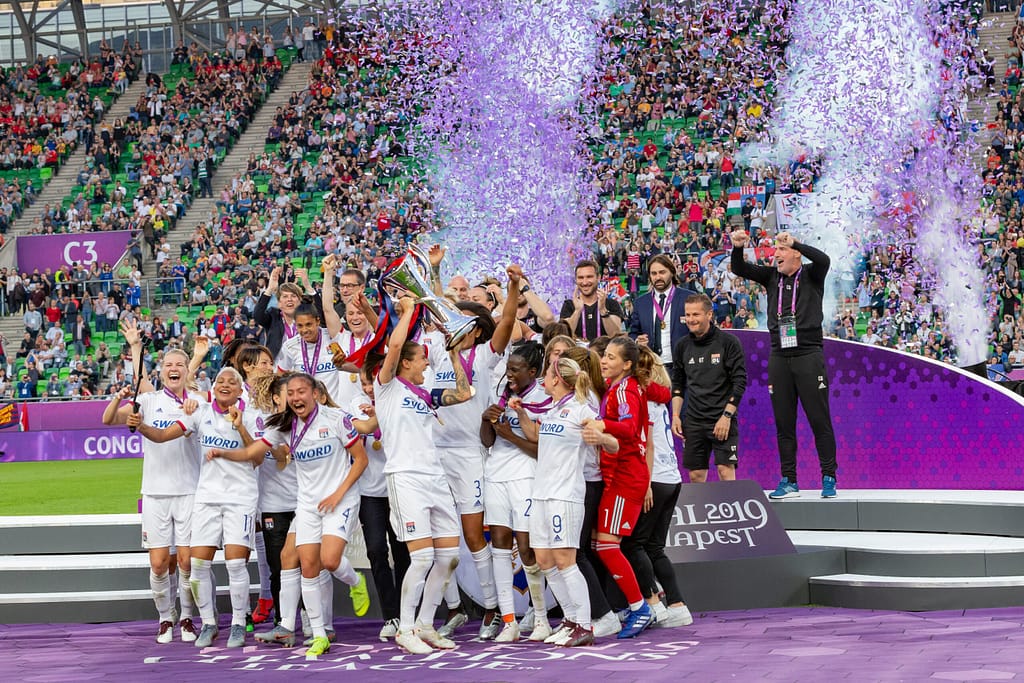
Elementary School Soccer Game Length
Soccer is incredibly popular among children and serves as a perfect way to introduce them to the world of sports. Starting at the elementary school level, games follow a structured approach, and youth soccer leagues operate under standard practices regarding time, ensuring each age group knows how long it plays while learning the basics of the game.
- Under 6 – two 10-minute halves or four 6-minute quarters.
- Under 8 – four 12-minute quarters or two 15-minute halves.
- Under 10 – two 25-minute halves.
- Under 11 – two 30-minute halves.
Middle School Soccer Game Length
Middle school kids are developing quickly, becoming faster, stronger, and building more endurance than their elementary school counterparts. They often play longer games, typically lasting an hour with two 30-minute halves and a five-minute halftime break, though some games can stretch to 70 minutes with two 35-minute halves and varying halftime intervals, especially in tournaments where times can be adjusted to suit competition needs.
High School Soccer Game Length
High school soccer is where many players develop a life-long love of the game, and some pros even start their careers at this level. Freshman, junior varsity, and club leagues often play an 80-minute game with two 40-minute halves and a 10-minute halftime break, while varsity games and Under-17 or Under-18 leagues follow soccer rules aligned with FIFA or IFAB standards, featuring games of 90 minutes with a 15-minute halftime. In tournaments, local leagues, districts, and states, rules may allow for extra time, overtime, or a draw, depending on the end of the game.
FAQs of how many quarters in soccer
What is stoppage time in soccer?
In soccer, the running game clock doesn’t stop for every pause, which leads to dead time when active play isn’t occurring. This can happen when a team scores, celebrates a goal, or makes substitutions, especially if injured players require attention. Video Assistant Referee (VAR) analysis, foul cards, set pieces, and penalty kicks also contribute to pauses. Referees must compensate with stoppage time at the end of regulation playing time, and sometimes extra time is added depending on the score, the league, or rules in effect.
What causes games to last longer than 90 minutes?
Because of dead time, wasted time, and stoppage time, games often run longer than the standard 90 minutes of regulation. In some leagues with extra time, tie games require additional periods of play, which can extend the match by 30 additional minutes, testing the endurance and focus of every player on the field.
How long is halftime in soccer?
The standard halftime break in adult leagues and professional tournaments is 15 minutes, giving players time to rest and adjust strategies. In youth leagues, the halftime break is typically shorter, with intervals ranging from five to ten minutes, allowing younger players to recover while keeping the game flowing smoothly.
Is soccer 2 halves or 4 quarters?
A soccer game is structured around halves, not quarters, with each half in regulation lasting 45 minutes. Different soccer organizations may adjust time per half depending on the age and skill of the players, but the traditional two-half format remains standard across the sport.
How long is a soccer game?
A soccer game or match typically lasts 90 minutes, divided into two 45-minute halves, with the clock running continuously from 45 to 90 minutes. Unlike some other sports, the ball rarely stops play when it leaves the pitch, making soccer games a flowing and continuous experience.
Is soccer 3 periods?
The length of a game is typically 90 minutes, divided into two 45-minute halves, but games often run longer due to stoppage time. According to the International Football Association, a 15-minute halftime break is standard, and players must return from locker rooms promptly at the end of the break or risk being fined.
What does 3rd mean in soccer?
The defensive third is the area closest to a team’s goal, where the team works on building play from the back. The midfield third covers the middle zone of the pitch, helping to build play and manage transitions. In the attacking third, the final section of the pitch, the focus shifts to finishing the attack and creating scoring opportunities.
Strengthen Your Playing Ability with TOCA
In soccer, stoppage time, extra time, and penalty kicks can make people wonder how long a game truly lasts. Professional games and World Cup tournaments can stretch three hours or longer, while under-6 games rarely exceed 30 minutes. Depending on the soccer time rules of a soccer league, players at all ages experience different paces of play. For example, TOCA Football leagues provide soccer leagues for adults and kids, keeping players active, offering kickoff events, and maintaining high-quality facilities to support quality leagues throughout the country.