
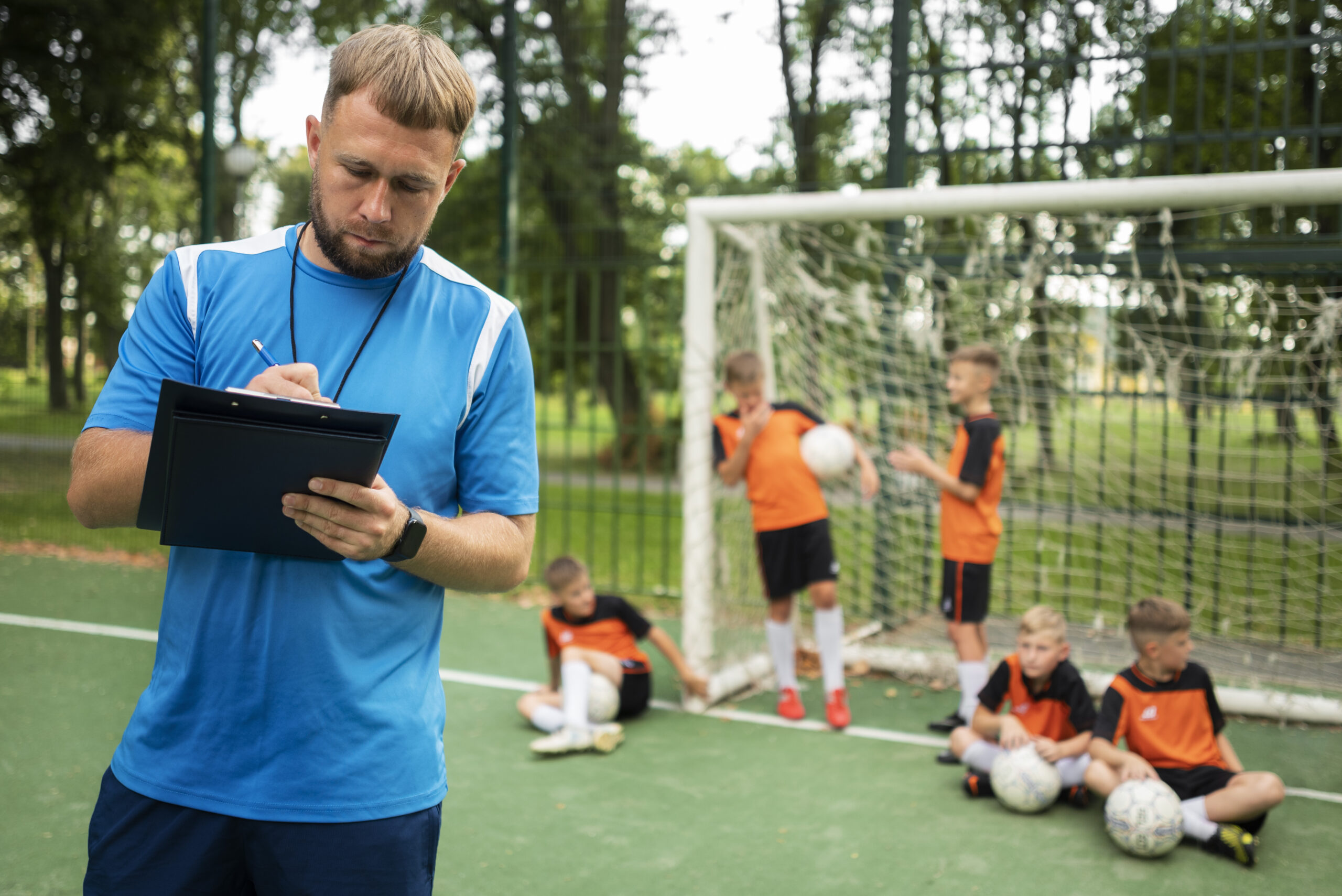
Coaching 6–8 year old soccer players is exciting but let’s be honest it can also feel chaotic. One minute kids are chasing the ball with full energy, and the next minute they’re distracted by butterflies, shoelaces, or their teammate’s water bottle of drills for u8 soccer. This is the biggest challenge of youth soccer training at the U8 level: keeping sessions fun while still teaching real skills. If drills are too boring, kids lose interest. If they’re too complex, kids get frustrated. Most coaches struggle to find the right balance.
That’s exactly why this guide exists. In this article, you will learn 21 simple, fun, and proven soccer drills designed specifically for beginners aged 6–8. These U8 practice drills focus on basic movement, ball control, coordination, and teamwork without overwhelming young players. You’ll also get a clear practice structure so you know how to organize sessions from warm-up to cool-down.
The U8 age group is crucial for development because this is when players build their foundation. At this stage, kids should fall in love with the game while learning essential habits through beginner soccer exercises that feel more like games than training.
By the end of this guide, you’ll have fun, effective, and easy-to-implement drills that keep kids engaged, learning, and excited to come back for the next practice soccer drills for u8.
Understanding U8 Players: What Makes Them Different
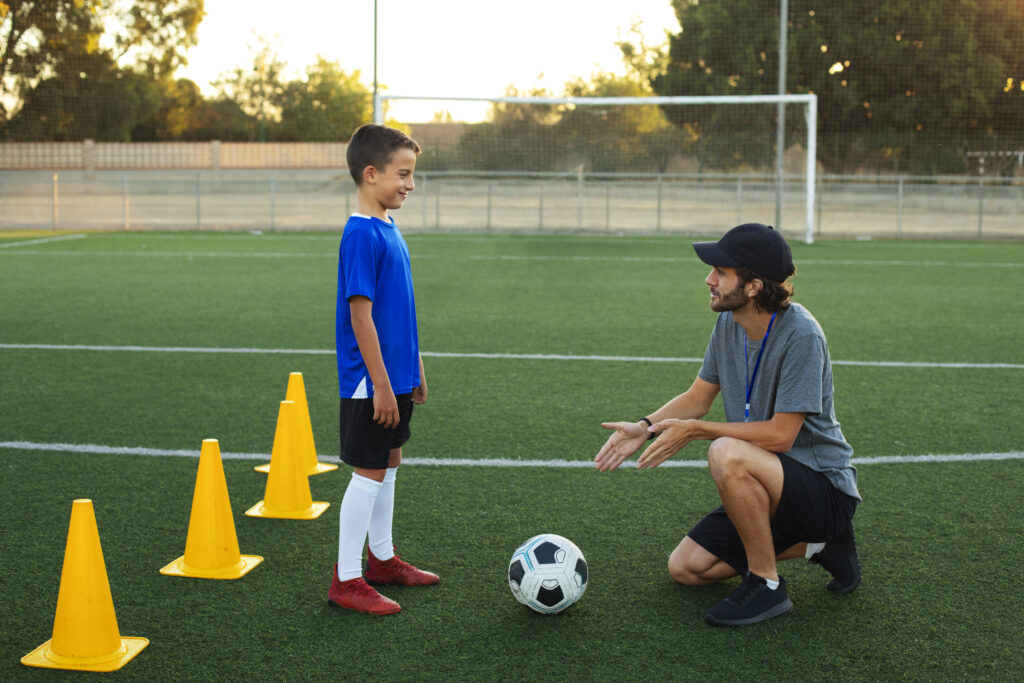
Coaching young players starts with understanding who they are. U8 beginners are not miniature professionals; they are still developing physically, mentally, and emotionally. Successful U8 soccer development depends on respecting these differences and building training sessions around how kids naturally learn and move or soccer practice drills for u8.
Physical Characteristics
At the U8 level, children are still developing basic coordination and motor skills. Movements like stopping the ball, changing direction, or kicking with accuracy are challenging and inconsistent and that’s completely normal. Expect awkward touches and uneven balance, football soccer drills.
Another key factor is their short attention span. Most U8 players can only stay focused for about 5–10 minutes on a single activity. If a drill drags on too long, engagement drops fast in soccer drills for u8. Rotating activities frequently keeps energy and motivation high.
Energy levels also fluctuate quickly. U8 players often start sessions full of excitement, then tire suddenly. They recover fast, but fatigue can impact technique. Smart coaching accounts for this by alternating active drills with lighter, playful exercises rather than long, intense workloads.
Cognitive Development
U8 players learn best through play and repetition. Abstract explanations rarely work at this age. Instead of long instructions, kids understand concepts by doing the same action multiple times in a fun setting soccer drills for u8.
Complex instructions can easily overwhelm them. Asking for too many steps or corrections at once usually leads to confusion. Simple cues and demonstrations are far more effective, especially since many U8 players are strong visual learners who copy what they see rather than what they hear.
Key Coaching Principles for U8
When coaching 8 year olds soccer, simplicity is everything. Drills should be easy to understand, enjoyable, and success-oriented. Individual skill development matters far more than team tactics at this stage.
Positive reinforcement plays a huge role. Encouragement builds confidence and keeps players eager to participate. The best youth soccer coaching tips emphasize high repetition, low complexity, and a fun-first mindset that helps young players fall in love with the game.
Essential Equipment for U8 Soccer Drills
Having the right equipment makes youth soccer training more effective, safe, and fun for young players. For U8 practice drills, size 3 or size 4 soccer balls are ideal because they are lighter and easier for small feet to control, which supports healthy U8 soccer development. Flat cones (about 12–20) help set up simple layouts for movement, dribbling, and spacing during beginner soccer exercises.
Penny vests or pinnies are useful for quickly dividing teams and keeping activities organized when coaching 8 year olds soccer, especially since kids at this age get distracted easily. Small portable goals encourage shooting and scoring without overwhelming beginners. An age-appropriate gear checklist should include shin guards, proper footwear, and water bottles to keep sessions smooth.
For budget-friendly alternatives, household items like water bottles or shoes can replace cones, ensuring training stays accessible and consistent for soccer drills for u8.
Warm-Up Drills
Warm-ups for young players should be simple, playful, and ball-focused. At the U8 level, the goal is not perfection but comfort with the ball and confidence moving in space. These soccer warm up drills kids enjoy should feel like games, not exercises. Below are three proven activities that work perfectly as fun soccer warm ups while quietly building essential skills or soccer drills for u8 defense.
1. Sharks and Minnows
Time: 10–12 minutes
Players: 6–12
Equipment: One ball per minnow, cones to mark a grid
Setup instructions:
Create a rectangular grid using cones. Select 1–2 players as “sharks” without balls. The remaining players are “minnows,” each with a ball, lined up on one end of the grid.
Step-by-step directions:
Minnows dribble from one side of the grid to the other while sharks try to steal or kick the ball away. If a minnow loses control, they become a shark in the next round. Play multiple short rounds to keep energy high.
Coaching points:
Encourage small touches, heads up while dribbling, and changing direction to escape pressure. Avoid over-coaching and let kids learn through movement.
Skills developed:
Dribbling, spatial awareness, decision-making under pressure.
Variations:
Easier: Make the grid wider or limit sharks to walking.
Harder: Add more sharks or require minnows to use their weaker foot.
2. Follow the Leader
Complete drill breakdown:
Each player has a ball and lines up behind the coach or a chosen leader. The leader dribbles around the space performing simple movements like turns, stops, or slow changes of speed. Players copy everything they see.
Rotate leaders often so every child feels involved in soccer drills for u8.
Skills developed:
Ball control, coordination, balance, and visual learning. This drill works well as one of the most effective soccer warm up drills kids can do without pressure.
3. Body Part Dribbling
Complete drill breakdown:
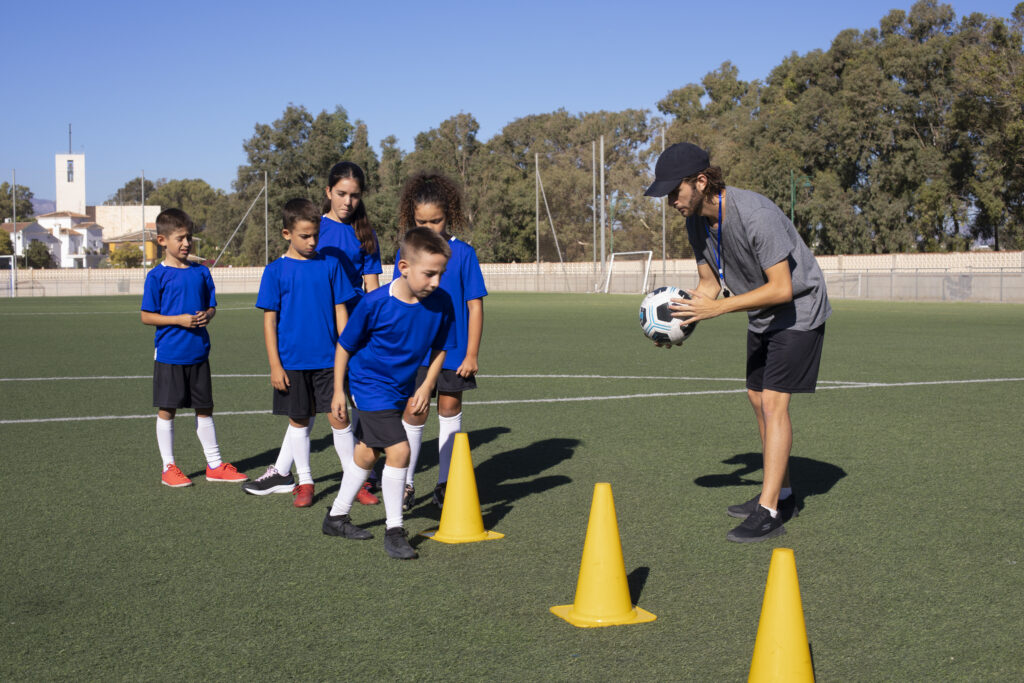
Players dribble freely inside a marked area. The coach calls out body parts such as “right foot,” “left foot,” “sole,” or even “stop the ball with your knee.” Players must instantly react while keeping control in soccer drills for u8.
Keep commands simple and upbeat, mixing fast and slow calls.
Skills developed:
Listening, quick reactions, basic ball manipulation, and confidence on the ball. It’s one of those fun soccer warm ups that keeps kids laughing while learning.
Dribbling Drills for U8 Beginners
Dribbling is the foundation skill for young soccer players. At the U8 level, the main goal is not perfection, it’s confidence, fun, and lots of touches on the ball. The drills below are designed specifically for beginners, keeping instructions simple while improving coordination, balance, and decision-making. These activities work well for individual practice or team sessions and are ideal dribbling drills for kids who are just starting their soccer journey. Also some defensive soccer drills for u8.
4. Red Light, Green Light
Full Detailed Breakdown
This is one of the easiest and most effective U8 dribbling games to introduce. Each player starts with a ball at one end of the field. The coach stands facing the players.
When the coach says “Green Light”, players dribble forward. When the coach says “Red Light”, players must stop the ball quickly and freeze. If a player keeps moving after “Red Light,” they return to the starting line.
You can also add simple commands like “Yellow Light” (slow dribbling) or “Blue Light” (use the weaker foot). Keep the field small so players stay engaged and get frequent touches.
Why It Works for U8
This drill builds listening skills and basic ball control at the same time. Young players learn how to stop the ball under control, which is a key part of early soccer ball control exercises. Because it feels like a game, kids stay motivated and don’t feel pressured to perform perfectly.
5. Cone Weaving
Setup and Instructions
Set up 5–8 cones in a straight line, about one step apart. Each player dribbles the ball in and out of the cones using small touches.
Instructions for beginners: Keep the ball close to your feet, Use both feet, Look up occasionally, not just at the ball
Allow players to move at their own pace. Speed is not important at this stage. Control is.
Progressive Difficulty Levels
To increase difficulty: Reduce the space between cones, Require use of only the left or right foot, Add a time challenge for advanced players
Cone weaving is excellent U8 dribbling practice because it teaches direction changes and body control without physical pressure from opponents.
6. Freeze Tag Dribble
Game-Based Learning
Freeze Tag Dribble combines a classic playground game with soccer skills. One or two players are “taggers” without a ball. The rest of the players dribble freely in a defined area.
If a dribbler gets tagged, they freeze and place one foot on the ball. They can be unfrozen when another player dribbles through their legs or taps their ball (coach decides rule). Rotate taggers often so everyone stays active.
Skills: Dribbling Under Pressure
This drill helps players stay calm while moving with the ball in traffic. It naturally introduces pressure without direct instruction, making it one of the most fun dribbling drills for kids. Players also learn awareness and quick reactions.
7. Knock Out (Circle Dribbling)
Competition Element
All players dribble inside a large circle, each with their own ball. The objective is to protect your ball while trying to knock other players’ balls out of the circle.
Rules:
If your ball is knocked out, perform a quick task (5 toe taps) and rejoin, No kicking other players only the ball, Keep rounds short to avoid frustration.
Ball Protection Skills
This drill teaches shielding and close control. Players instinctively learn how to turn away from danger and keep their body between the ball and opponents. It’s a powerful soccer ball control exercise that feels like a mini competition.
8. Traffic Lights (Advanced)
Multi-Directional Movement
This drill builds on Red Light, Green Light but adds more complexity. Players dribble in a grid while responding to color commands:
Green: dribble forward
Red: stop ball
Yellow: dribble slowly
Blue: turn and change direction
Purple: perform a skill move (coach demonstrates)
Color-Coded Commands
Traffic Lights challenges both the mind and feet. It improves reaction time and coordination while reinforcing dribbling fundamentals. This is excellent U8 dribbling practice for players who are ready for slightly more advanced instructions without losing the fun element.
Passing Drills for U8 Beginners
Passing is one of the most important skills for young players, but at the U8 level, it must be taught in a fun, simple, and pressure-free way, u8 soccer drills for passing. The goal of these activities is not perfection, it’s confidence, basic technique, and enjoyment. These passing drills for young players focus on short distances, clear instructions, and lots of touches on the ball. Each drill below is designed specifically as U8 passing exercises, helping beginners learn how and when to pass while staying engaged.
9. Partner Passing Gates
Accuracy and technique focus
Partner Passing Gates is an excellent starting drill for beginners. Set up several small “gates” using cones, spaced a few yards apart. Players work in pairs and pass the ball back and forth through the gates. The main focus here is accuracy rather than power. Coaches should encourage players to use the inside of the foot and keep their non-kicking foot next to the ball. This drill gently introduces core soccer passing techniques kids need without overwhelming them.
Distance progressions
Once players become comfortable, you can gradually increase the distance between gates. Start with very short passes and slowly move the cones farther apart as confidence grows. This progression helps children understand how pass strength changes with distance. Keep feedback simple and positive, and rotate partners often so players stay motivated and social.
10. Passing Relay Race
Team competition element
The Passing Relay Race adds excitement by introducing friendly competition. Divide players into small teams and line them up behind a cone,soccer passing drills for u8. Each player must pass the ball to the next teammate before running to the back of the line. The first team to finish wins. This drill keeps energy high while reinforcing basic passing drills for young players in a game-like format.
Proper passing form
While speed is fun, correct technique still matters. Remind players to slow down their pass slightly and aim for their teammate’s feet. Coaches should watch for common mistakes, such as toe-kicking, and gently correct them. This activity helps young players understand that good passing is about control, not just rushing but passing drills for u8 soccer.
11. Triangle Passing
Introduction to movement after pass
Triangle Passing introduces a new concept: moving after making a pass. Set up three cones in a triangle with one player at each cone, u8 soccer drills for positioning. After passing the ball, the player follows their pass to the next cone. This drill helps children begin to link passing with movement, a key step in learning effective soccer passing techniques kids will use later.
Simple pattern work
Keep the pattern easy and predictable. At this age, repetition is more important than complexity. Encourage communication by having players call for the ball. This drill also improves awareness and timing, making it one of the most useful U8 passing exercises for early development.
12. Monkey in the Middle (3v1)
First defending concept
Monkey in the Middle introduces basic defending in a fun way. Three players pass the ball while one player in the middle tries to intercept. This drill helps attackers learn quick decision-making and introduces defenders to positioning and anticipation.
Keep-away fundamentals
Players learn to pass away from pressure and support teammates. Keep the area small and rotate defenders often to avoid frustration. This classic game strengthens confidence and reinforces passing under light pressure, rounding out these passing drills for young players perfectly.
FAQs About Soccer Drills for 08 Year Olds
How long should U8 soccer practice be?
U8 soccer practice should last 45–60 minutes maximum.
Kids at this age have a short attention span, so shorter sessions keep them focused, happy, and energetic instead of tired or distracted.
How many drills should I do per practice?
Plan 3–4 different activities in one session.
Each drill should have lots of repetition so players get many touches on the ball without feeling rushed.
What if kids get bored during a drill?
If boredom starts, switch activities quickly.
You can also add small competitions, challenges, or simple variations to make the drill feel new and exciting.
Should U8 players focus on positions?
No, not at this stage.
The goal is to develop all skills, not lock kids into roles. Let every player try different positions and experiences on the field.
How often should U8 teams practice?
1–2 times per week is ideal for this age group.
This U8 soccer practice frequency allows learning while still leaving time for rest and free play, which is just as important.
What’s the ball-to-player ratio for U8 drills?
The best setup is 1 ball per player (1:1) for most drills.
This reduces waiting time and answers many common youth soccer training questions about keeping kids active and engaged.
About Goalnyx of Soccer Drills for 08 Year Olds
Goalnyx is built for parents, coaches, and young athletes who want simple, effective ways to make soccer training more fun and productive. Our resources focus on providing soccer drills, practice plans, and training tips that are age-appropriate and easy to follow. Whether you’re coaching a team or helping your child at home, Goalnyx gives you the tools to turn practice into progress.
Conclusion
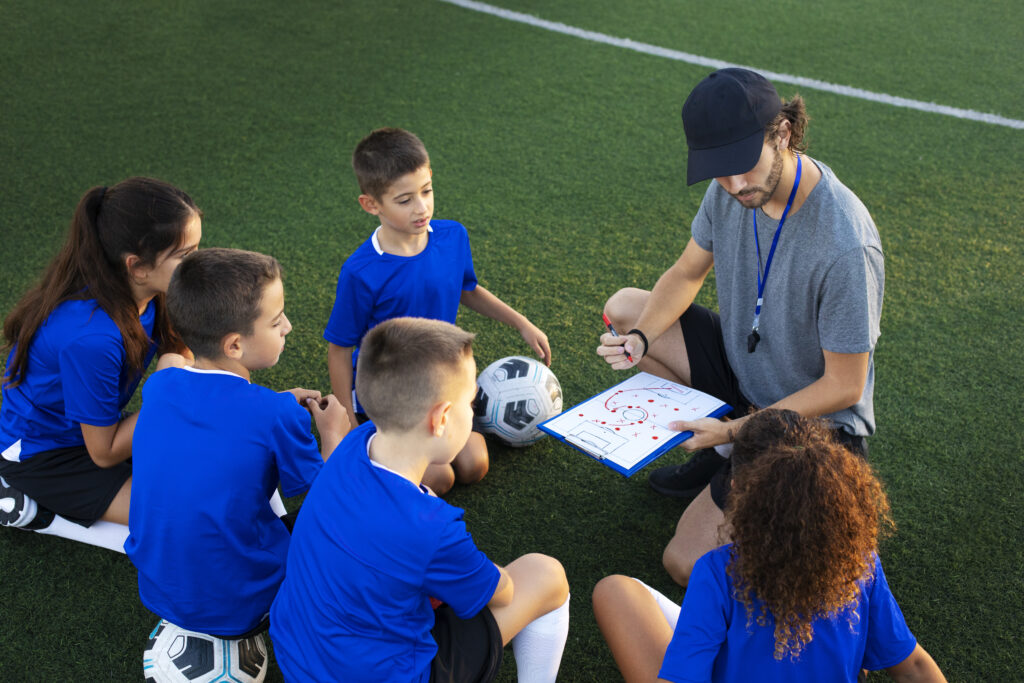
These 21 carefully selected drills give new coaches a complete starting toolkit, covering dribbling, passing, shooting, movement, coordination, and basic game understanding. When combined, they create a balanced foundation for young players who are just beginning their soccer journey. The real goal at the U8 level is development, not perfection, and every drill here is designed with that principle in mind.
Above all, the focus should always stay on fun with fun soccer drills for u8. Children learn fastest when they are enjoying themselves, laughing, and feeling confident. As a coach, your role is not to demand results but to guide, encourage, and create a safe space where mistakes are part of learning. If you’re new to coaching, don’t feel overwhelmed. These beginner soccer drills are simple, flexible, and easy to adapt based on your players’ energy and ability levels for passing soccer drills for u8.
Remember, every child develops at a different pace. Some will pick up skills quickly, while others need more time and repetition. That’s normal. Avoid comparisons, celebrate small improvements, and focus on effort rather than outcomes.
To get started, choose 2–3 favorite drills and run them consistently before adding more. This approach builds confidence for both you and your players. For more support, explore trusted youth soccer coaching resources and keep learning as you grow, dribbling drills for u8 soccer.
Have questions or need clarification? Drop a comment below and share this guide with fellow coaches to spread the learning.