
Soccer is a game of constant motion, quick thinking, and endless energy, and that is exactly why soccer fitness training for kids matters far more than most parents and coaches realize. When children step onto the field, their bodies are asked to run, stop, turn, jump, sprint, and recover again and again, often for an entire match for soccer fitness training.
Without the right fitness foundation, young players can struggle with fatigue, lose focus, or even face avoidable injuries. Fitness at a young age is not about pushing kids to their limits; it is about helping their bodies move efficiently, safely, and confidently.
The good news is that effective fitness for children does not look like adult gym sessions or exhausting running routines. Proper youth soccer conditioning focuses on age-appropriate movement, playful challenges, and simple exercises that naturally build endurance, speed, coordination, and strength.
When fitness training is designed correctly, kids improve their performance without even realizing they are “training.” They just feel faster, stronger, and more confident on the ball.
In this guide, you will learn how to approach soccer fitness training for kids the right way. We will break down what fitness really means for young soccer players, explain how training changes with age, and explore safe and fun soccer fitness drills children can enjoy.
You will also discover common mistakes to avoid, recovery tips, and how to support your child’s progress long term. Whether you are a parent or coach, this article will give you a clear roadmap for building healthy, happy, and fit young soccer players.
Understanding Youth Fitness in Soccer
Why Soccer Fitness Training Matters for Kids
When adults think about fitness, they often picture long runs, heavy weights, or intense workouts. For children, fitness works very differently. Soccer fitness training for kids must respect how young bodies grow and develop.
Children are not miniature adults, and their muscles, bones, and nervous systems respond best to movement-based training rather than rigid conditioning programs or fitness training for soccer. Understanding this difference is essential for keeping kids safe while helping them improve.
Before puberty, children adapt quickly to coordination, balance, and agility training. Their bodies are still learning how to move efficiently, which makes this stage perfect for developing strong movement patterns.
During adolescence, growth spurts can temporarily affect balance and coordination, making smart youth soccer conditioning even more important. When training matches a child’s developmental stage, it reduces injury risk and builds confidence instead of frustration.
The benefits of proper fitness go far beyond performance. Well-designed soccer fitness drills children follow help reduce overuse injuries, improve posture and movement quality, and support mental well-being.
Kids who feel physically capable are more likely to enjoy the game and stick with it long term. Over time, this approach creates healthy habits that extend beyond soccer, encouraging lifelong physical activity and resilience.
The 5 Key Fitness Components for Young Soccer Players
Soccer demands a mix of physical qualities, and young players need exposure to all of them in a balanced way. Aerobic endurance allows children to keep moving throughout a match without excessive fatigue. In youth soccer, this does not mean running nonstop for miles but learning how to move efficiently for 60 to 90 minutes with natural breaks in play, a2p fitness soccer training.
Speed and agility are equally important because soccer is full of short bursts and rapid changes of direction. Kids benefit greatly from drills that challenge their reaction time and footwork rather than straight-line sprinting alone. Strength, when approached correctly, supports posture, balance, and injury prevention. For children, strength training should rely on bodyweight movements and playful challenges, not heavy loads.
Flexibility helps young players move freely and reduces muscle tightness as they grow. Coordination and balance tie everything together, allowing children to control the ball while moving at speed. When these components are trained together through a kids soccer workout, children develop the complete physical toolkit they need for soccer success.
Age-Specific Fitness Guidelines
Soccer Fitness Training by Age Group
One of the biggest mistakes in soccer fitness training for kids is using the same approach for every age. Children change rapidly as they grow, and fitness training must evolve with them. Understanding age-specific needs ensures that training remains safe, effective, and enjoyable.
Ages 6–8 (U8) Foundation Phase
For children aged six to eight, fitness should feel like play. At this stage, kids are developing basic movement skills such as running, jumping, hopping, and stopping. Structured conditioning or repetitive drills are unnecessary and often counterproductive. Instead, youth soccer conditioning should focus on fun activities that naturally improve coordination and balance.
Games like tag, simple relay races, and playful movement challenges allow children to build fitness without pressure. Long-distance running and rigid drills should be avoided because young children tire quickly and lose interest.
Short bursts of movement integrated into practice work best, with fitness elements lasting no more than five to ten minutes per session, best fitness training for soccer. This approach builds a positive relationship with movement and keeps kids excited about soccer.
Ages 9–11 (U10–U12) Skill Development Phase
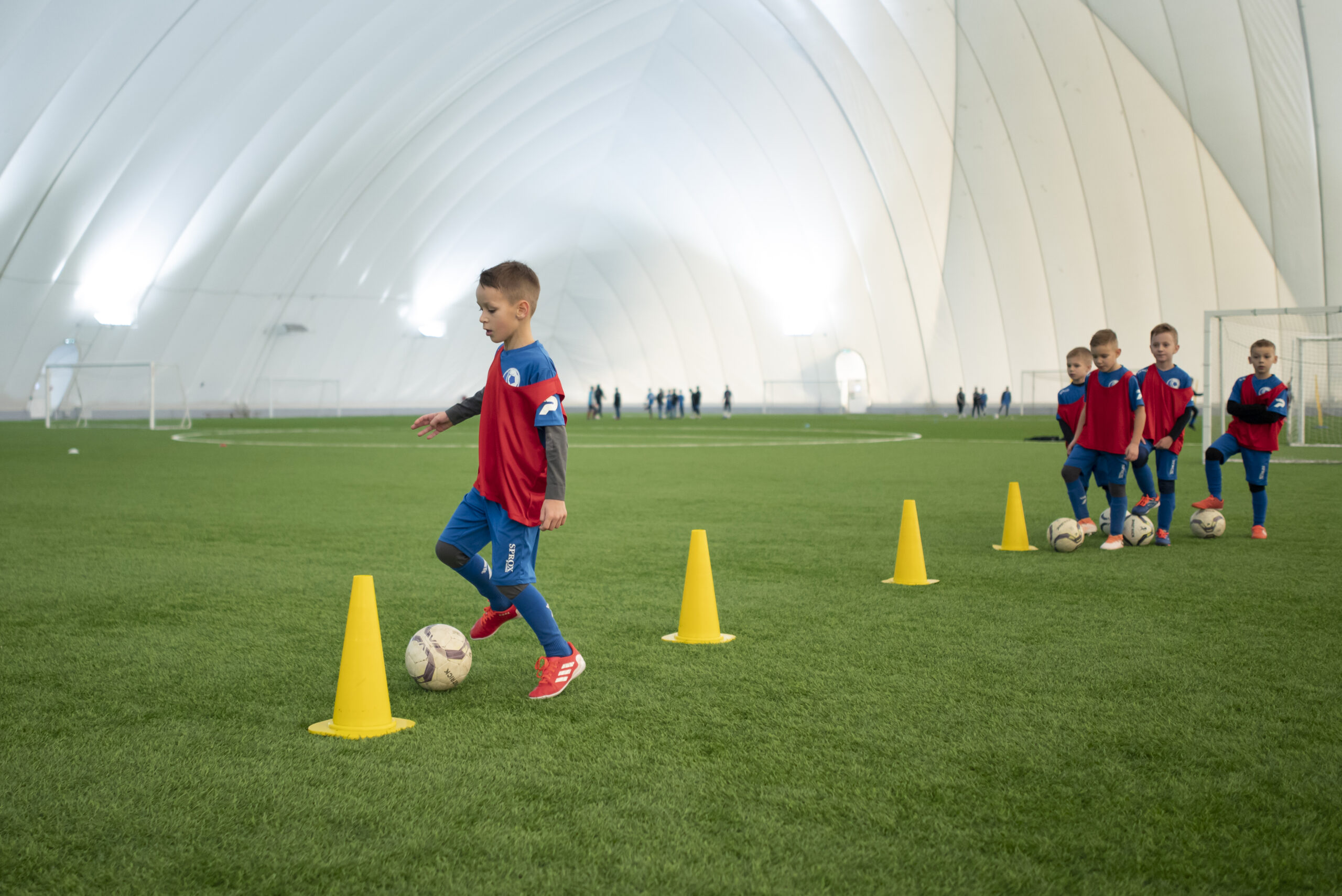
Between ages nine and eleven, children are ready for slightly more structure. Coordination improves rapidly, and kids can handle basic agility and speed work when it is presented in a fun way. Soccer fitness drills children enjoy at this stage often involve cones, ladders, and ball-based challenges that keep their attention engaged.
Heavy resistance training and excessive endurance work are still inappropriate, but short speed efforts and movement patterns become valuable. A balanced kids soccer workout at this age includes agility exercises, light strength challenges using body weight, and games that elevate heart rate. Fitness segments of ten to fifteen minutes per practice are usually sufficient.
Ages 12–14 (U13–U14) Growth Spurt Phase
This age group often experiences rapid growth, which can temporarily disrupt coordination and increase injury risk. Soccer fitness training for kids in this phase should prioritize movement quality and flexibility. Maintaining fitness during growth spurts is more important than pushing intensity.
Moderate conditioning, combined with mobility work, helps young players adapt to their changing bodies. Overtraining and maximum strength work should be avoided, as growing joints and muscles are more vulnerable, best soccer fitness training. Structured conditioning of fifteen to twenty minutes allows players to stay fit without overwhelming them.
Ages 15+ (U15–U18) Performance Phase
Older youth players can handle more advanced training when properly supervised. At this stage, youth soccer conditioning becomes more sport-specific, focusing on speed, power, and endurance that match game demands. Controlled strength training and high-intensity intervals can be introduced safely.
Periodized training, where intensity varies throughout the week and season, helps manage fatigue and performance. Sessions of twenty to thirty minutes dedicated to fitness are appropriate, provided recovery is prioritized. This phase prepares players for higher levels of competition while still protecting long-term health.
Essential Soccer Fitness Drills for Kids
15 Best Soccer Fitness Drills for Kids (By Component)
Effective soccer fitness training for kids combines multiple physical qualities into engaging activities. Instead of isolating fitness components, the best drills blend movement, decision-making, and ball work. This keeps children mentally engaged while developing the physical demands of the game.
Continuous Dribbling Squares
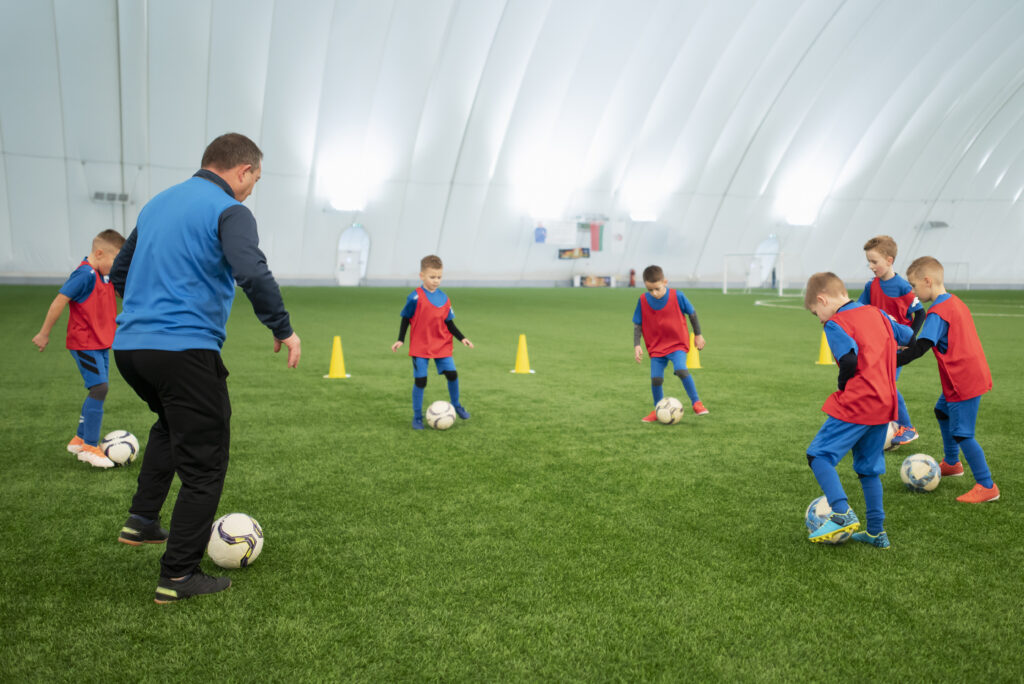
This drill is ideal for building endurance while reinforcing ball control. Players dribble continuously within a marked square, changing direction frequently to avoid collisions. The constant movement elevates heart rate and mimics game-like running patterns. For children aged nine and older, this drill builds soccer endurance training youth need without boring laps around the field.
Small-Sided Games
Small-sided games are one of the most effective tools in youth soccer conditioning. By playing four-versus-four or five-versus-five on a smaller field, kids stay constantly involved.
The reduced space forces frequent accelerations, decelerations, and changes of direction. This natural intensity improves endurance and agility while keeping the focus on fun and competition.
Interval Cone Courses
Interval cone courses introduce structured fitness in a playful way. Players move through cone patterns at moderate intensity, followed by short rest periods. This approach teaches pacing and recovery, which are essential for match fitness. Adjusting work-to-rest ratios based on age keeps the drill safe and effective, youth soccer strength and conditioning program pdf.
Ladder Drills with Variations
Agility ladders help improve foot speed and coordination. By varying movement patterns, children stay challenged and engaged. These drills are especially useful in a kids soccer workout focused on agility, as they encourage quick feet and body control without excessive impact.
Cone Weave Sprints
Cone weave sprints combine speed and ball control. Players sprint while weaving through cones, focusing on sharp turns and acceleration, soccer fit training. This drill reinforces game-like movement and improves confidence when changing direction at speed.
T-Drill for Change of Direction
The T-drill teaches controlled acceleration and deceleration. Children move forward, laterally, and backward, learning how to control their bodies efficiently. This drill supports injury prevention by reinforcing proper movement mechanics.
Mirror Drill
The mirror drill develops reactive agility. One player leads while the other mirrors their movements. This drill enhances reaction time and coordination, key components of soccer fitness drills children benefit from.
Animal Walks
Animal walks such as bear crawls and frog jumps make strength training fun for younger kids. These movements develop full-body strength and coordination without external resistance.
Plank Variations
Plank exercises build core stability, which supports balance and posture. Short hold times and playful variations keep children engaged and safe, kids soccer workout.
Squat and Lunge Progressions
Bodyweight squats and lunges teach proper movement patterns. Emphasizing technique over repetition helps prevent injuries and builds foundational strength.
Push-Up Variations
Modified push-ups improve upper body strength in a controlled way. Progressions allow kids to advance as they grow stronger.
Dynamic Warm-Up Sequence
Dynamic warm-ups prepare muscles and joints for activity. Movements like leg swings and high knees increase blood flow and reduce injury risk.
Cool-Down Stretching Routine
Post-training stretching supports flexibility and recovery. Gentle static stretches help young players relax and reflect after practice.
Single-Leg Balance Challenges
Balance drills improve stability and coordination. Standing on one leg while controlling the ball adds a soccer-specific element.
Ball Mastery with Fitness Elements
Combining ball touches with movement challenges builds technical skill and fitness simultaneously. This approach keeps training efficient and enjoyable, endurance training workouts for soccer kids.
Sample Fitness Training Plans
Weekly Soccer Fitness Schedule for Kids
A well-structured weekly plan brings clarity and balance to soccer fitness training for kids, especially when parents and coaches worry about doing too much or too little. The goal of a sample plan is not rigid control but guidance.
Children thrive when fitness is blended smoothly into technical training rather than treated as a separate burden. A thoughtful schedule also supports consistent progress while reducing fatigue and burnout, which is a growing concern in modern youth sports.
For younger players around the U10 level, training frequency should remain moderate. Two to three practices per week allow enough exposure to movement and skill development without overwhelming growing bodies.
Early in the week, sessions can focus on technical work with short agility-based activities woven in soccer workout for kids. Midweek sessions are ideal for game-based fitness, where small-sided games raise heart rate naturally while keeping players mentally engaged.
Strength elements at this age should remain playful and light, using bodyweight movements that reinforce good posture and coordination. Toward the end of the week, a lighter session emphasizing flexibility and ball control helps prepare the body for weekend match play. This approach ensures that youth soccer conditioning supports performance rather than interfering with enjoyment.
For U14 players, the weekly structure becomes slightly more complex due to increased training demands and competition intensity. Three to four practices per week allow room for structured conditioning without neglecting technical and tactical growth. Early-week sessions may include moderate endurance-focused activities paired with technical drills.
Midweek training can introduce higher-intensity efforts, such as speed and agility work soccer workouts for kids, followed by adequate recovery. Later sessions should taper intensity, focusing on mobility and sharpness. Monitoring training load becomes critical at this stage, as growth spurts can increase injury risk. Built-in rest days are just as important as training days, helping young athletes adapt physically and mentally.
Across all ages, the most successful kids soccer workout plans are flexible. Coaches and parents should watch for signs of fatigue and adjust accordingly. Fitness improves best when children feel fresh, motivated, and supported rather than pressured.
Safety & Best Practices
Critical Safety Guidelines for Youth Soccer Fitness
Safety should always sit at the center of soccer fitness training for kids. While improving performance is important, protecting a child’s physical and emotional well-being matters far more. Many injuries and burnout issues in youth soccer stem from inappropriate training choices rather than the game itself. Understanding what to avoid and what to prioritize can make all the difference.
One of the most common mistakes is exposing children to max-effort weightlifting before they are physically ready. Growing bones and joints are vulnerable, and excessive load can cause long-term issues. Similarly, long-distance running for young children under ten often leads to poor mechanics and unnecessary fatigue without meaningful benefits.
Adapting adult fitness programs for kids is another major concern. Children need movement variety, not repetitive or overly intense routines. Training through pain, illness, or injury only increases recovery time and frustration, while year-round intense training raises the risk of burnout and loss of motivation.
On the positive side, prioritizing proper warm-ups and cool-downs helps prepare the body and support recovery. Teaching hydration and basic nutrition habits empowers kids to take responsibility for their health. Technique should always come before intensity, especially during agility and strength exercises also check goalnyx for more details.
Variety keeps training fresh and enjoyable, which is essential for long-term engagement. Adequate recovery time between sessions allows adaptation and growth, supporting safe soccer endurance training youth require as competition increases.
Parents and coaches should also watch for warning signs of overtraining. Persistent fatigue, declining performance, mood changes, frequent illness, or a sudden loss of interest in soccer all signal the need to reduce load or seek professional advice.
When in doubt, consulting a pediatrician or sports medicine specialist ensures that fitness training supports, rather than harms, a child’s development.
Nutrition & Recovery for Young Athletes
Fitness gains from soccer fitness training for kids do not come from training alone. Nutrition and recovery play equally important roles in helping young athletes grow, adapt, and stay healthy. Without proper fuel and rest, even the best-designed youth soccer conditioning programs fall short.
Before training or matches, children benefit from simple, balanced meals eaten one to two hours beforehand. Foods that combine carbohydrates with a small amount of protein provide energy without causing discomfort. After training, recovery begins within the first thirty minutes. A light snack containing carbohydrates and protein helps replenish energy stores and supports muscle repair.
Hydration is another critical factor. Children often forget to drink enough water, especially in warm conditions for soccer workouts for kids. Teaching them to sip regularly during breaks supports performance and concentration. Energy drinks and unnecessary supplements should be avoided, as they offer little benefit and may pose health risks.
Recovery extends beyond nutrition. Sleep is one of the most powerful tools for young athletes, with needs increasing during growth phases. Adequate sleep supports hormone regulation, learning, and physical recovery. Active recovery activities, such as light play or stretching, help reduce stiffness without adding stress.
For older children, gentle foam rolling can improve muscle awareness when supervised correctly. When nutrition and rest align with training demands, soccer fitness drills children perform become far more effective, leading to steady and sustainable progress.
Measuring Progress
How to Track Your Child’s Fitness Improvement
Tracking progress in soccer fitness training for kids should feel encouraging rather than stressful. The purpose of assessment is to highlight improvement, not to compare children against one another. Simple, age-appropriate measures provide valuable insight into how a child’s fitness is developing over time.
Aerobic fitness can be observed through basic shuttle or beep-style tests that measure how long a child can sustain movement. Speed improvements show up clearly in short sprint tests over ten yards, where better technique often leads to faster times.
Power can be assessed through simple jumping activities, while flexibility changes become evident through reach-based movements. These assessments should be spaced out and conducted in a supportive environment.
The most important principle is focusing on personal progress. Every child develops at a different pace, and celebrating small improvements builds confidence. Keeping a simple progress chart allows children to see how effort leads to growth, reinforcing positive habits and motivation within a kids soccer workout framework.
Frequently Asked Questions
How often should kids do soccer fitness training?
Most children benefit from two to three sessions of soccer fitness training for kids each week, depending on their age and playing level. Younger players usually gain enough fitness through regular practices and matches, while older youth players may handle three structured sessions when recovery is respected.
The key is balance. Fitness should support skill development and enjoyment, not replace them. Rest days are just as important as training days, allowing the body to adapt and reduce injury risk. Consistency over time matters far more than high weekly volume.
Can fitness training stunt growth in children?
This is a common myth, but medical research shows that properly designed fitness training does not stunt growth in children. Age-appropriate youth soccer conditioning that focuses on movement quality, coordination, and bodyweight strength is safe and beneficial.
Problems arise only when children are exposed to excessive loads, poor supervision, or adult-style programs. When exercises match a child’s developmental stage, fitness training actually supports healthy bone development and overall growth.
Should kids lift weights for soccer?
Children do not need heavy weights to improve soccer performance. Younger players should focus on bodyweight exercises, while adolescents can gradually introduce supervised resistance training. Proper technique, light loads, and qualified supervision are essential. When done correctly, strength training can enhance stability and injury prevention without harming development.
How do I keep fitness training fun for kids?
Keeping fitness enjoyable is crucial for long-term motivation. Using games, involving the ball, varying activities, setting small challenges, and celebrating effort all help soccer fitness drills children enjoy feel exciting rather than forced.
What’s the difference between fitness for soccer vs. general fitness?
Soccer-specific fitness focuses on endurance, speed, agility, and coordination that match game demands, while general fitness is broader. Soccer endurance training youth follows prepares kids for real match situations, not just overall activity.
Conclusion
Building Fit, Healthy Young Soccer Players
Creating strong, confident players starts with smart soccer fitness training for kids that respects their age, development, and love for the game. When fitness is approached with safety, variety, and enjoyment in mind, children gain far more than physical benefits.
They develop confidence, resilience, and a positive relationship with movement that can last a lifetime. By focusing on age-appropriate methods, prioritizing recovery, and keeping training engaging, parents and coaches support long-term athlete development rather than short-term results. With the right balance, youth soccer conditioning becomes a powerful tool for helping kids thrive both on and off the field.