
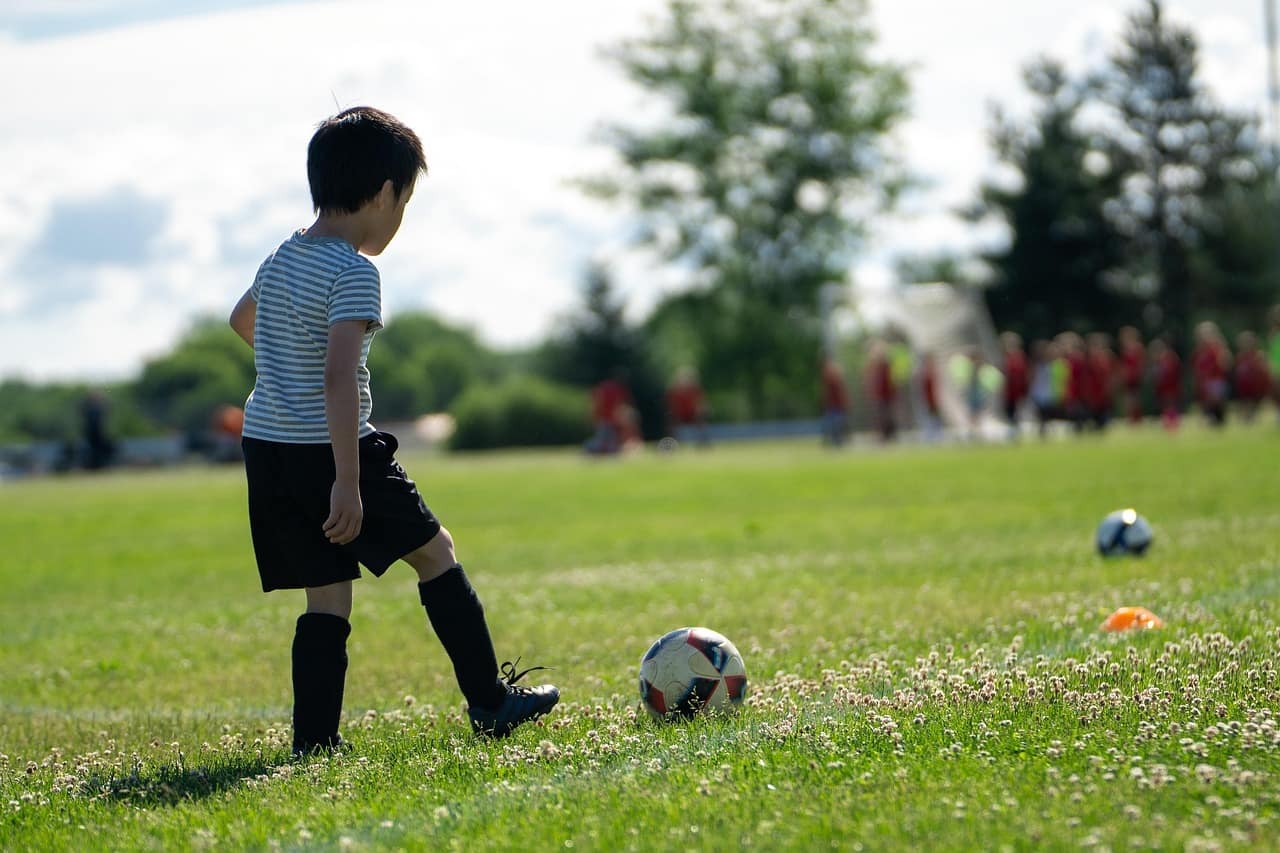
Team practices are never enough. Between school, weather issues, and limited training time, many young players touch the ball only a few hours a week in soccer passing drills. That’s why soccer drills at home matter more than most parents realize. Short, focused sessions at home can quietly transform a child’s confidence and comfort on the ball without pressure or judgment for goal.
Passing is the foundation of soccer. Kids who learn how to pass early develop better decision-making, awareness, and teamwork. Without solid passing skills, dribbling becomes selfish, movement becomes chaotic, and confidence disappears during matches. This guide focuses on kids soccer practice that actually fits real homes, not professional academies.
Parents and kids can expect simple explanations, clear age-based progressions, and drills that work in small spaces. You don’t need fancy gear or coaching licenses. Most of these activities require only a ball, a wall, and a little patience.
Whether you’re introducing soccer skills for children or sharpening existing abilities, this guide gives you a complete roadmap for effective home training.
What You’ll Need for Home Passing Drills
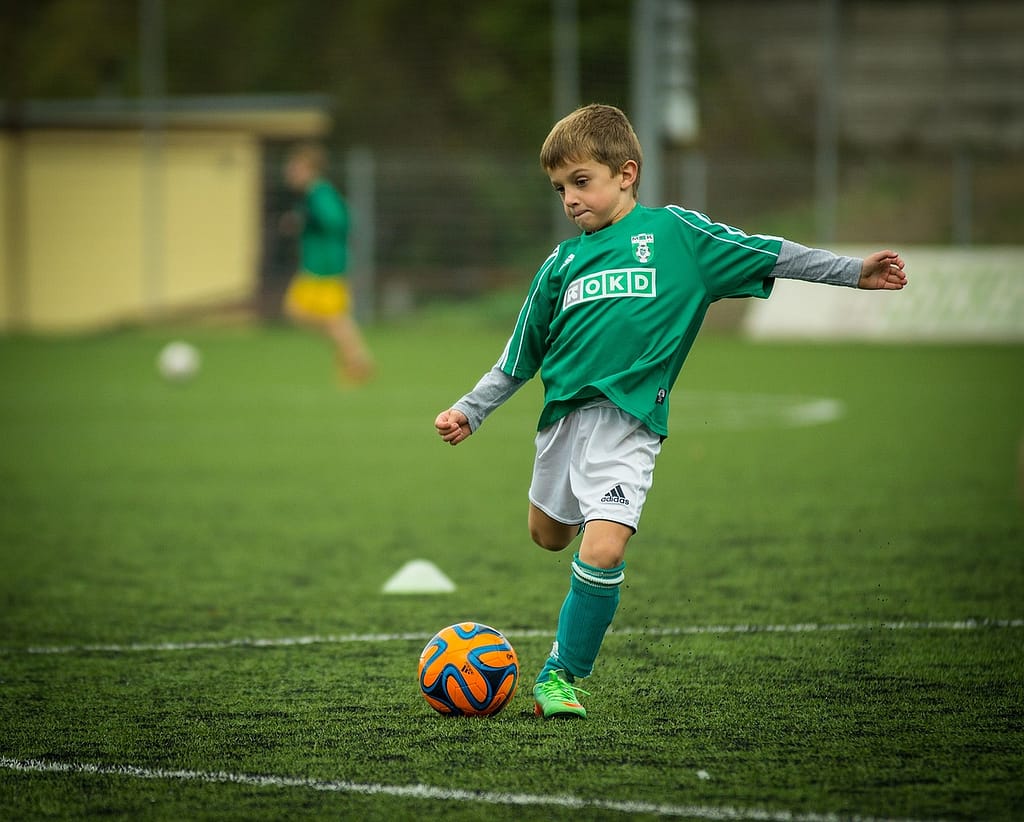
Home training works because it’s simple. A standard soccer ball is ideal, but a slightly softer ball works indoors. A solid wall or rebound surface is essential for solo home soccer training, especially when partners aren’t available. Cones are helpful, but shoes, water bottles, or books work just as well.
Space is not a dealbreaker. A backyard, driveway, garage, or even a hallway can support at home soccer drills for kids if safety is respected. The goal isn’t distance it’s repetition, control, and focus.
Basic Passing Drills for Beginners (Ages 5–8)
1. Wall Passing
This is the foundation of beginner soccer passing drills.
Setup & Execution:
Stand 5–7 feet from a wall. Pass the ball using the inside of the foot and receive it back after the rebound.
Focus Points:
Teach correct foot placement and body balance. This drill reinforces basic passing techniques for kids without distractions.
Progression Tips:
Count consecutive passes or reduce stopping time. This works well for soccer drills for 6 year olds at home and builds early confidence.
2. Target Practice
This drill turns learning into a game.
Creating Targets:
Tape targets on a wall or place objects on the ground.
Distance Variations:
Adjust distance based on age. Younger players benefit from short-range accuracy, essential for soccer passing practice for kids.
Fun Factor:
Use points or rewards. This is excellent for how to improve passing accuracy for kids without pressure.
3. Cone Gates
One of the best simple passing drills for spatial awareness.
Setup:
Create small “gates” using cones or objects.
Execution:
Pass the ball through each gate from short distances.
Skill Benefits:
This improves direction control and precision, making it ideal passing drills for young players and early ground passing drills.
Intermediate Drills (Ages 9–12)
4. One-Two with the Wall
This introduces real match movement.
Movement Patterns:
Pass to the wall, move sideways, receive, and pass again.
Timing & Touch:
Focus on clean first touch. This drill introduces passing and receiving drills naturally.
Game Application:
This simulates quick combinations found in youth soccer passing drills.
5. Passing with Both Feet
Ignoring the weak foot is a mistake.
Importance:
Balanced players adapt faster in games.
Drill Structure:
Alternate passes with left and right foot.
Tracking Improvement:
Count accurate passes per foot. This supports U10 passing exercises and long-term development.
6. Moving Target Passing
Static drills aren’t enough forever.
Incorporating Movement:
A parent or sibling walks slowly while receiving passes.
Realism:
This mirrors game situations found in passing drills for youth soccer.
Skill Growth:
Builds anticipation and timing rather than robotic passing.
Advanced Home Drills (Ages 13+)
7. First-Touch Control and Pass
This separates casual players from serious ones.
Execution:
Receive from the wall, control with one touch, pass with the next.
Speed Variations:
Increase pace gradually.
Technical Refinement:
Perfect for one touch passing drills for youth and advanced two touch passing exercises.
8. Passing Under Pressure (Timed)
Pressure reveals habits.
Challenge Elements:
Set a timer and count clean passes.
Decision Making:
This simulates fatigue and stress.
Competition:
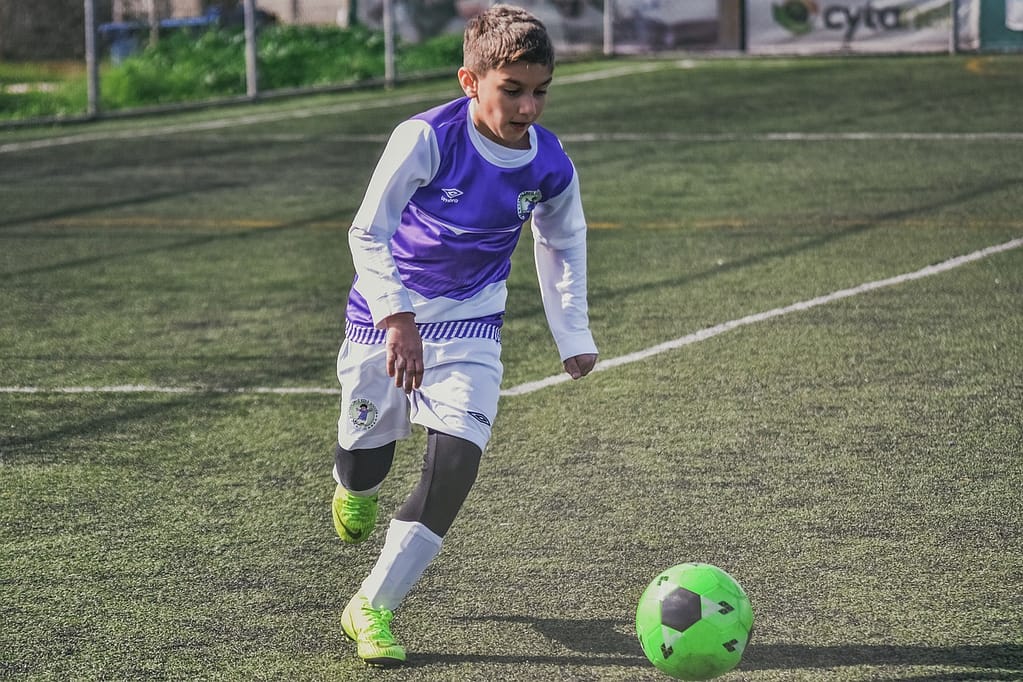
Beat previous scores or challenge siblings using indoor soccer passing drills when space is limited.
Tips for Making Practice Fun and Effective
Set small goals, not perfection. Friendly competitions work better than lectures. Track progress weekly and reward effort, not results. Keep sessions short: 15 minutes for younger kids, 25 for older ones. This keeps soccer passing drills for children effective without burnout.
Common Mistakes to Avoid
Poor foot positioning ruins accuracy during soccer passing drills for kids at home. Bad posture limits control when practicing backyard skills. Overhitting the ball kills rhythm in youth training sessions. Skipping follow-through leads to inconsistency during home soccer passing practice. Practicing without a clear goal wastes time, especially when young players work on passing drills at home without proper guidance.
How to Track Progress
Measure successful passes, not speed. Focus on accuracy and technique when evaluating your child’s soccer passing drills for kids at home. Quality always trumps quantity in youth soccer development.
Record short videos to spot improvement. Film your child performing their favorite passing drills weekly. This visual record helps both parents and young players see tangible progress in their soccer skills at home.
Set weekly goals tied to passing drills for elementary age players. Break down larger objectives into achievable targets:
Week 1: Complete 10 accurate wall passes with dominant foot
Week 2: Add 10 passes with weaker foot
Week 3: Hit targets from 10 feet away with 70% accuracy
Week 4: Combine movement with passing accuracy
Celebrating growth confidence fuels consistency. When kids see themselves improving at soccer passing drills at home, they’re more likely to practice regularly. Create a simple chart to track successful passing drills for kids sessions, and reward milestones with extra playtime or a new soccer accessory.
Frequently Asked Questions
Are these drills suitable for very young kids?
Yes, simplified versions work well as toddler soccer drills and preschool soccer activities.
How often should kids practice passing at home?
3–4 short sessions per week is ideal.
Can these drills replace team practice?
No, but they massively enhance it through soccer drills for 8 year olds and beyond.
Do these drills work indoors?
Yes, especially structured soccer passing activities for kids in limited spaces.
What’s the biggest benefit of home training?
Confidence, comfort, and decision-making speed.
Conclusion
Passing is the heartbeat of soccer. Consistent home practice builds calmness, accuracy, and confidence that game-day pressure can’t destroy. You don’t need perfection, you need repetition with purpose. Start small, stay consistent, and let improvement compound over time.
Pick one drill today. Do it well. Then come back tomorrow and do it better and do not force to the child be careful.
Invitation to share progress or ask questions.