

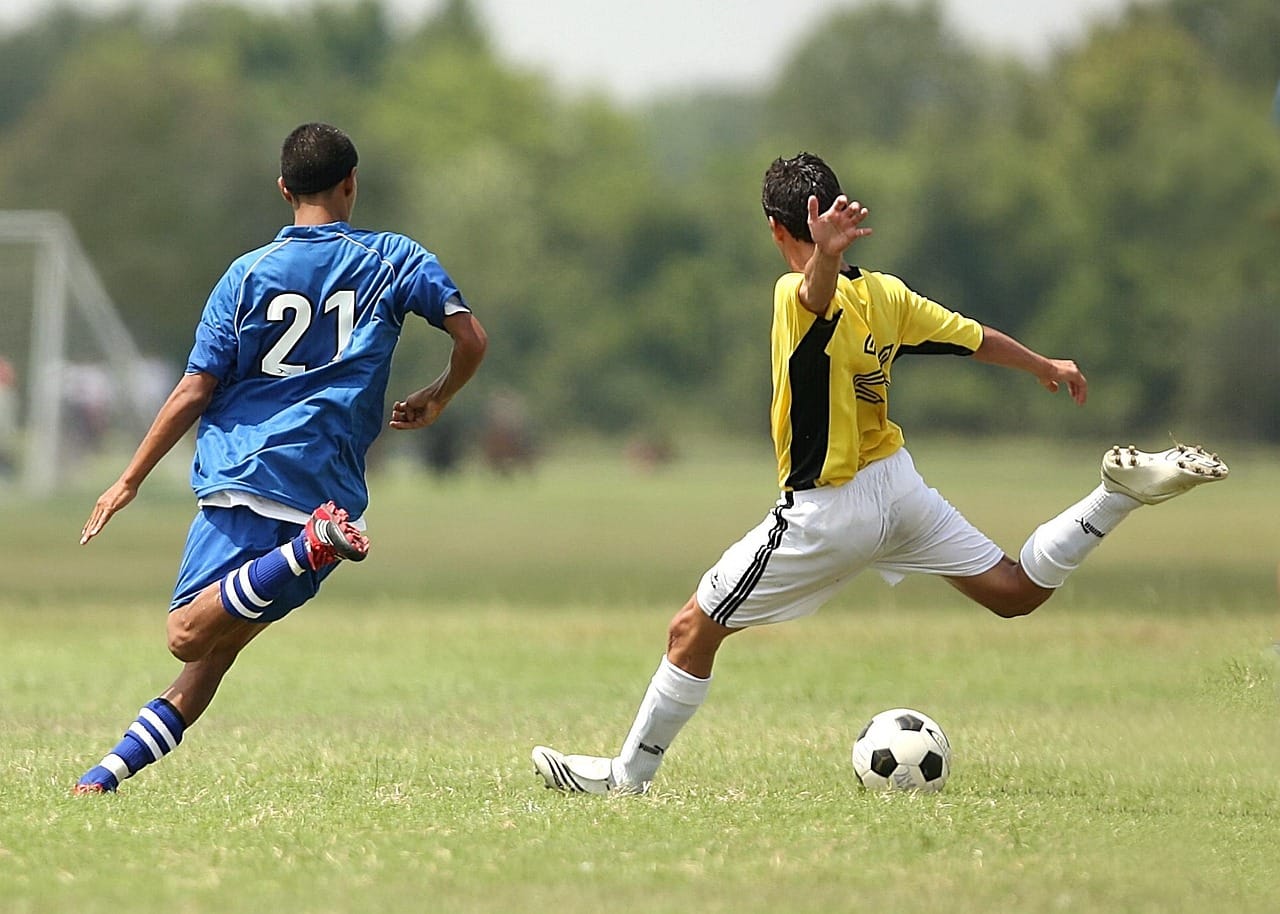
Speed has become one of the most decisive qualities in modern soccer. At every level of the game, from grassroots to professional leagues, the ability to accelerate quickly, change direction, and react faster than an opponent can determine success. For young players, speed is not just about running fast in a straight line; it’s about learning how to move efficiently, safely, and confidently goal on the field.
Speed development in youth soccer is fundamentally different from adult training. Children and teenagers are still growing, and their muscles, bones, and nervous systems respond differently to training stress. Applying adult sprint programs to kids is not only ineffective but can also increase injury risk and burnout or great speed training for young soccer players.
This article is designed for coaches, parents, and youth players aged 8–16 who want practical, age-appropriate guidance. The focus is on safe progressions, proper technique, and long-term athletic development rather than shortcuts.
By the end of this guide, you’ll understand how to develop speed the right way through structured drills, smart scheduling, and soccer-specific applications so young players become faster without sacrificing health or enjoyment of the game.
Speed training for young soccer players should focus on coordination and proper movement between ages 6–10, structured sprint and agility drills between ages 11–14, and power-based training after age 15.
The goal is to improve acceleration, reaction, and change of direction while avoiding overtraining and injury.This approach allows young athletes to get faster naturally while supporting long-term development rather than short-term results.

Understanding Speed in Youth Soccer
Speed in soccer is multi-dimensional. Many people think it simply means sprinting fast, but that belief is incomplete and often harmful when training young athletes.
Key types of speed relevant to soccer include:
Linear sprint speed: Straight-line running over short distances.
Acceleration: How quickly a player reaches top speed from a stationary or moving start.
Change of direction speed: The ability to decelerate, cut, and re-accelerate efficiently.
Reaction speed: Responding quickly to visual or auditory cues during play.
Youth players rarely use maximum sprinting for long distances. Most decisive actions occur within 5–20 meters, which means acceleration and decision-making matter more than raw speed.
Age-appropriate training is critical because children develop at different rates. Growth spurts can temporarily affect coordination, balance, and flexibility. Ignoring these factors leads to frustration and poor movement habits.
A common misconception is that speed is purely genetic and cannot be trained in kids. That’s false. While genetics influence potential, movement quality, coordination, and strength foundations dramatically shape outcomes. Another myth is that speed training requires heavy weights or advanced equipment. In reality, effective youth speed work relies on body control, technique, and smart repetition.
Understanding speed as a skill not just a physical trait is the foundation of effective youth athlete conditioning and long-term performance improvement.
Age-Specific Training Guidelines
Ages 6–10: Foundation Phase
This phase is about learning how to move, not chasing performance metrics. Young players should develop basic athletic skills through play-based activities.
Training should emphasize running, skipping, hopping, jumping, and stopping safely. Fun games like tag, relay races, and obstacle courses naturally improve coordination and balance. Introducing simple speed drills for 10 year old soccer players should feel playful, not structured like military training.
Basic running mechanics can be introduced using simple cues such as “run tall” or “arms like rockets.” At this age, fun beats intensity every time.
Ages 11–14: Development Phase
This is where structure begins to matter. Players can handle short bouts of organized speed work while still enjoying variety.
Technical focus increases, including posture, arm action, and foot placement. Light sprint sessions, coordination ladders, and balance work become more effective. Speed and agility drills for u12 soccer players should be short, sharp, and followed by adequate rest.
Growth spurts are common in this phase, so flexibility and patience are essential. Coaches must prioritize technique over speed output.
Ages 15+: Performance Phase
Older youth players can begin more advanced training, including controlled resistance and power-based movements. Sessions become more soccer-specific, integrating sprinting with tactical actions.
This is the stage where sprint training for youth soccer players transitions from general athleticism to performance enhancement without rushing or skipping foundational work.

Essential Speed Training Components
Running Mechanics
Good speed starts with efficient movement. Poor mechanics limit performance and increase injury risk.
Key elements include a relaxed but powerful arm swing, neutral head position, and tall posture. Foot strikes should occur under the body, not far in front. Common errors include overstriding, excessive upper-body tension, and collapsing posture during acceleration.
Mastering mechanics early is essential for building explosive speed safely.
Acceleration Drills
Acceleration separates average players from dangerous ones. Simple drills like wall drives teach body angles and force application. Falling starts help players feel natural forward lean.
Resistance band sprints and gentle hill work can be effective when used sparingly and with correct form. These acceleration drills should be short and high quality, never rushed or fatigued.
Improving first step quickness is often more valuable than chasing top speed numbers in youth soccer.
Maximum Velocity Training
Top-speed work must be introduced gradually. Flying sprints, where players build up before sprinting at full speed, reduce injury risk. Wicket runs teach rhythm and stride efficiency.
Build-up sprints allow players to experience speed without forcing it, supporting neuromuscular development rather than exhaustion.
Change of Direction Speed
Soccer demands constant cutting and turning. Cone drills like the T-drill and 5-10-5 develop deceleration and re-acceleration skills. Ladder drills improve foot speed and coordination.
Reactive cutting drills where players respond to a signal train real-game change of direction ability instead of memorized patterns.
Sample Weekly Training Schedule
Speed training should complement soccer practice, not compete with it. Frequency depends on age and training load.
Younger players benefit from 1–2 speed-focused sessions per week. Older players can handle 2–3 sessions with proper recovery.
A balanced week may include:
One technical speed session emphasizing mechanics
One agility-focused session
One soccer-integrated speed session
At least two lighter or recovery days
Rest days are non-negotiable. Speed gains occur during recovery, not training. Players training at home should focus on short sessions, making how to improve speed in youth soccer at home practical and safe.
This structure supports consistent progress without overload, aligning with long-term soccer fitness for kids development.
Plyometric and Strength Foundations
Plyometrics enhance force production and coordination when used correctly. Jumping, hopping, and bounding should progress from simple to complex.
Low-level jumps come first, followed by controlled single-leg movements. These plyometric exercises for young soccer players speed development should emphasize soft landings and proper alignment.
Bodyweight strength builds the base. Squats, lunges, push-ups, and core exercises improve stability and power transfer. Core strength helps maintain posture during sprinting and cutting.
Weighted exercises should only be introduced when technique is solid and maturity allows. Safety always comes first.
Soccer-Specific Speed Applications
Speed without context is useless. Players must learn to apply speed during soccer actions.
Running with the ball requires shorter strides and more control compared to sprinting without it. Transitional drills moving from defense to attack train real match scenarios.
Small-sided games force repeated accelerations and decisions, making them one of the best soccer speed training exercises for beginners. Position-specific demands also matter; wide players need repeated sprint ability, while defenders rely more on recovery speed.
This approach creates best speed workouts for young soccer players that actually transfer to matches.
Common Speed Training Mistakes Youth Soccer Players Make
Most young players are not slow, they are mis-trained.
The biggest mistakes include:
Sprinting every day without recovery, Using adult workout programs on children, Ignoring proper warm-up routines, Focusing only on straight-line speed
These speed training mistakes youth soccer players make often lead to stalled progress, fatigue, and injury. Speed improves when quality, rest, and technique are prioritized over volume.
Injury Prevention and Safety
Dynamic warm-ups prepare muscles and joints for high-speed movement. Cool-down routines aid recovery and flexibility.
Coaches and parents must watch for signs of overuse injuries, such as persistent soreness or declining performance. Training surfaces and footwear matter more than people realize.
Understanding at what age should soccer players start speed training helps prevent rushing development. The answer is simple: start with movement quality early, not intensity.
Measuring Progress
Progress should be measured carefully and age-appropriately. Short sprints like 10- and 20-yard tests provide useful data. Flying sprints assess maximum velocity, while pro-agility tests evaluate cutting ability.
Tracking results over time helps identify trends without pressuring players. Expectations must remain realistic growth and coordination changes can temporarily affect performance.
For players training at home, focusing on how to get faster for soccer without equipment means tracking consistency, not just numbers.
Frequently Asked Questions (FAQs)
At what age should kids start speed training for soccer?
Kids can start basic speed training for soccer around 6 years old using coordination games, running drills, and playful movement. Structured sprint and agility training is most appropriate between ages 11–14, while resistance and power-based speed training should begin after age 15, once proper technique and physical readiness are established.
How can young soccer players improve speed without equipment?
Young soccer players can improve speed without equipment by performing short acceleration runs, fast-feet drills, skipping, bounding, and reaction-based games. Consistent practice, good running technique, and proper rest are more important than using cones, ladders, or gym equipment.
How often should youth soccer players do speed training?
Most youth soccer players should perform speed training 1–2 times per week. Older players may handle 2–3 sessions per week if training volume is balanced with adequate recovery. Speed training should always be high quality and short in duration.

What are the most common speed training mistakes for young soccer players?
The most common mistakes include overtraining, copying adult sprint programs, skipping warm-ups, focusing only on straight-line speed, and ignoring recovery. These mistakes often lead to fatigue, stalled progress, and increased injury risk.
Do speed and agility drills actually help young soccer players?
Yes, speed and agility drills help young soccer players by improving acceleration, reaction time, and change of direction. When drills are age-appropriate and technique-focused, they improve on-field performance and reduce the risk of injury.
Conclusion
Speed training for young soccer players is not about shortcuts or copying professional routines. It’s about patience, smart progression, and respect for development stages.
When coaches and parents focus on technique, coordination, and recovery, players naturally become faster and more confident. The goal is long-term athletic growth, not short-term domination at youth level.
Start small. Choose one new drill this week and implement it with focus and consistency. That single step, done correctly, builds the foundation for a faster, healthier soccer future.