

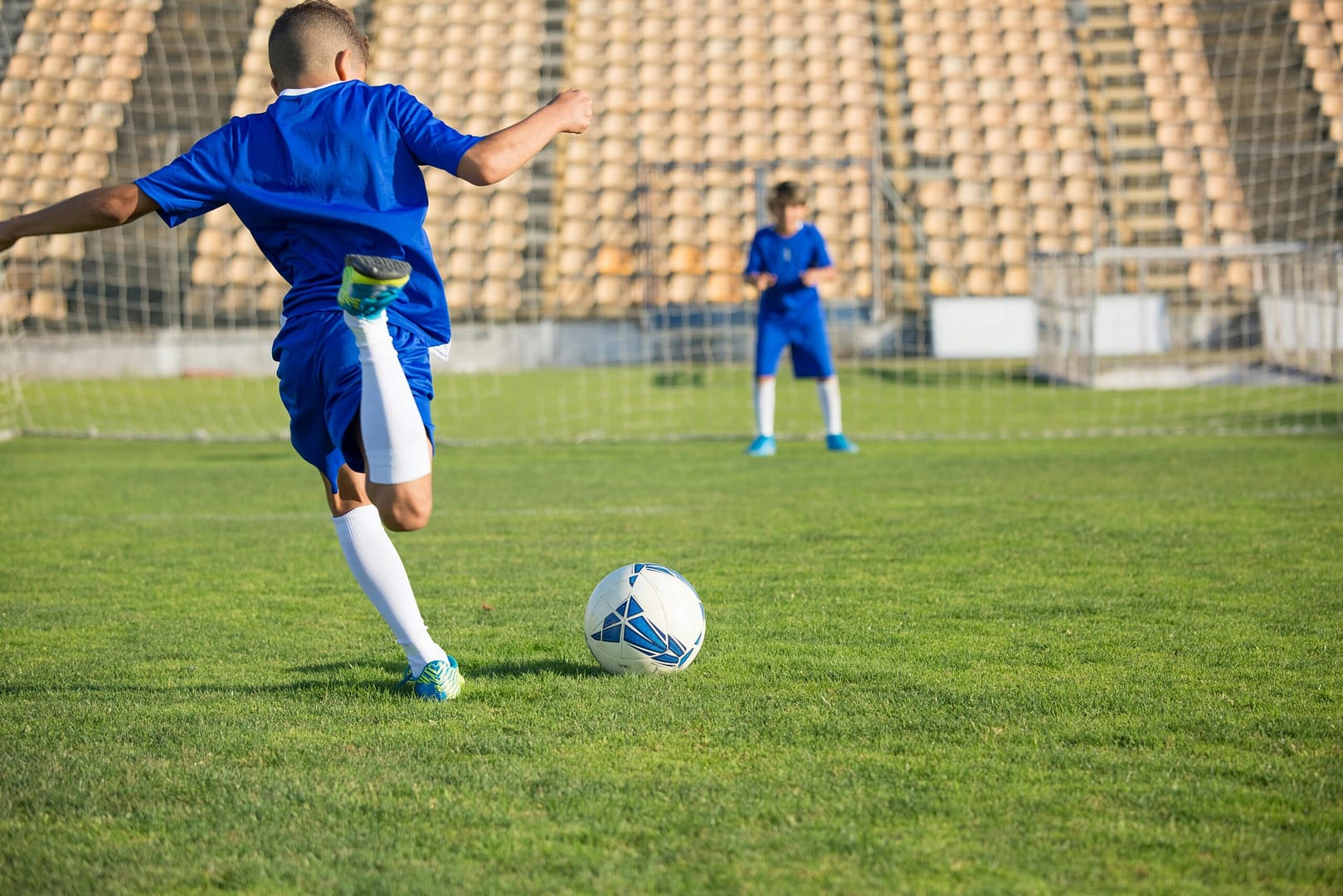
Kids’ soccer injuries aren’t bad luck. They’re predictable. And anything predictable is preventable. Youth soccer has exploded over the last decade. More games, longer seasons, private academies, and year-round competition. Sounds great until you look at the injury rates.
Growing bodies aren’t designed for repetitive high-impact movements without proper preparation. Growth plates are fragile, muscles lag behind bone growth, and coordination temporarily disappears during growth spurts. Add poor warm-ups and overtraining, and you’ve got a perfect recipe for injury.
Here’s the brutal truth: most youth soccer injuries are not “part of the game.” They are the result of neglecting injury prevention exercises and treating kids like miniature adults. Parents often focus on skills and winning. Coaches focus on tactics. Very few prioritize keeping kids healthy long enough to actually develop.
Prevention always beats treatment. Rehab costs time, money, confidence, and momentum. Worse, early injuries increase the risk of chronic problems later in life. A kid who gets hurt repeatedly doesn’t just lose games they lose belief in their body.
This article breaks down exactly how to protect young players using structured, age-appropriate injury prevention exercises for soccer. You’ll learn what injuries actually happen, why prevention works, and which exercises matter without fluff, gimmicks, or fear-mongering.
Understanding Soccer Injuries in Kids
If you don’t understand the problem, your solution is guesswork. And guesswork gets kids hurt and learn more about it on goalnyx.
The most common youth soccer injuries include ankle sprains, muscle strains, knee injuries, shin splints, and concussions. Among these, knee and ankle injuries dominate because soccer demands constant cutting, jumping, and rapid deceleration. These movements overload joints that aren’t fully developed yet.
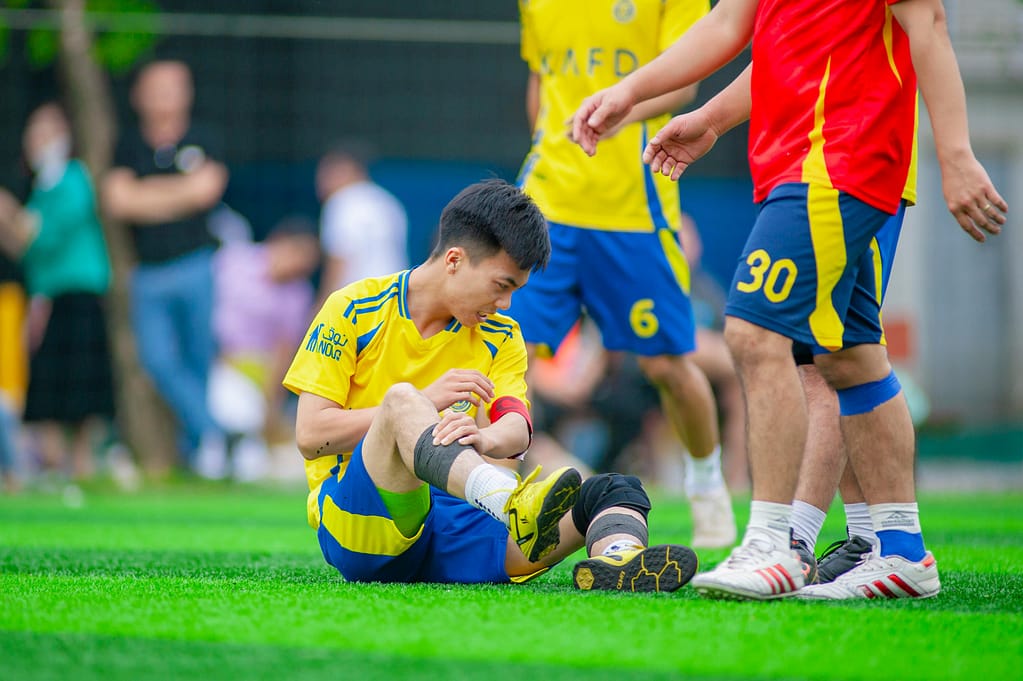
Kids are more vulnerable than adults for three reasons. First, their muscles often can’t keep up with bone growth, creating tightness and imbalance. Second, neuromuscular control of how the brain coordinates movement is still developing. Third, many kids specialize in soccer too early, repeating the same movement patterns year-round with no recovery.
The numbers don’t lie. Studies show that soccer accounts for one of the highest injury rates among youth sports. Knee injuries, particularly ACL tears, are rising fast, especially among adolescent girls. This is exactly why exercise and injury prevention must be built into training, not added as an afterthought.
Ignoring this reality doesn’t make kids tougher. It makes them fragile. Proper education and structured prevention programs dramatically reduce injury risk and that’s not opinion, it’s data.
Why Injury Prevention Exercises Matter
Let’s kill a myth right now: prevention training does not slow kids down. It makes them better.
Well-designed best exercises for injury prevention improve strength, balance, coordination, and body awareness. That translates directly into faster sprinting, cleaner cuts, stronger shots, and better endurance. Injury prevention isn’t separate from performance, it’s the foundation of it.
Long-term health is the real win. Kids who learn proper movement early carry those patterns into adulthood. That means fewer chronic knee problems, healthier ankles, and reduced risk of overuse injuries later in life. This is preventing exercise injuries before they ever show up on an MRI.
There’s also a psychological benefit people ignore. Kids who trust their bodies play with confidence. Parents who know their child is protected stress less. Coaches who keep players healthy build stronger teams. Everyone wins.
If you’re skipping prevention because “they’re just kids,” that’s lazy thinking. Kids need it more, not less.
Warm-Up & Mobility Drills
If your warm-up is five minutes of jogging and a few toe touches, it’s useless.
A proper warm-up prepares joints, activates muscles, and primes the nervous system. Dynamic stretching should come first leg swings, arm circles, hip rotations. These movements increase blood flow without reducing muscle power.
Next comes light movement: jogging, skipping, side shuffles, and gentle accelerations. This isn’t conditioning; it’s preparation. Think of it as turning the lights on before entering the room.
Soccer-specific mobility matters. Hip openers improve cutting mechanics. Ankle rolls reduce sprain risk. Thoracic spine mobility helps with balance and posture. These drills are essential for running injury prevention exercises and safe change-of-direction mechanics.
This phase also aligns with which is included in the guidelines for preventing exercise injuries: gradual intensity increase, full-body activation, and movement specificity. Skip this, and you’re gambling with kids’ joints every session.
Strength & Stability Exercises
This is where most programs either shine or completely fail.
Core strength is non-negotiable. Planks, side planks, and bird-dogs teach kids to control their trunk during movement. A weak core equals sloppy mechanics, and sloppy mechanics destroy knees and ankles.
Lower-body strength is the backbone of knee injury prevention exercises. Squats teach proper knee tracking. Lunges build unilateral strength. Calf raises protect the Achilles tendon and improve sprint efficiency. These are also foundational exercises to prevent achilles injury.
Balance training is critical. Single-leg stands, unstable surfaces, and controlled hops improve proprioception. This is the frontline defense for ankle injury prevention exercises and exercises to prevent ankle injuries.
For older kids, progressive overload matters. Resistance bands, light weights, and increased complexity should be introduced gradually. This isn’t bodybuilding, it’s controlled development.
Female athletes deserve special attention. Due to anatomical and hormonal factors, they face higher ACL risk. Structured neuromuscular training and exercises to prevent acl injury in female athletes significantly reduce that risk.
This is also where injury prevention exercises for runners overlap with soccer. Strong legs, stable hips, and controlled landings protect every athlete who moves fast.
Flexibility & Cool-Down Routines
If warm-ups prepare the body, cool-downs preserve it. Static stretching after training helps restore muscle length. Focus on hamstrings, quads, hip flexors, calves, and glutes. Hold stretches long enough to matter 20 to 30 seconds minimum.
Breathing techniques are underrated. Slow nasal breathing lowers heart rate and kickstarts recovery. Teaching kids how to calm their nervous system is a skill that pays off far beyond soccer.
Foam rolling doesn’t need to be aggressive. Light pressure improves circulation and tissue quality. This supports exercise and injury prevention by speeding recovery and reducing muscle stiffness.
Skipping cooldowns doesn’t save time, it steals progress.
Sport-Specific Injury Prevention
Generic training isn’t enough. Soccer demands specific protection. ACL injuries often happen during landing and cutting. Teaching proper jump-and-land mechanics is central to acl injury prevention exercises and exercises to prevent acl injuries in soccer. Knees aligned, hips back, soft landings every rep matters.
Agility ladders improve coordination, foot placement, and rhythm. Used correctly, they reinforce safe movement patterns rather than mindless speed.
Heading introduces neck injury risk. Light neck strengthening and postural control help stabilize the cervical spine, especially as kids grow.
This is the core of soccer injury prevention exercises that actually work, not drills copied from adult programs without thought.
Safety Guidelines for Coaches & Parents
Even the best program fails without oversight.
Proper supervision ensures exercises are done correctly. Poor form defeats the purpose of prevention. Training loads must match age and development not ambition.
Hydration, nutrition, and sleep are not optional. Dehydrated, under-recovered kids get hurt. Period.
Following structured injury prevention soccer exercises within a safe environment protects both performance and long-term health.
Sample Weekly Injury Prevention Routine
A simple structure works best.
Three to four sessions per week is ideal. Each session includes:
Dynamic warm-up
Strength and balance work
Soccer-specific drills
Cool-down and recovery
This approach integrates injury prevention exercises for soccer players seamlessly into regular training. No extra hours. No excuses.
Consistency beats intensity every time.
Frequently Asked Questions
At what age should kids start injury prevention exercises for soccer?
Ages 6-8 can start basic warm-ups and movement patterns. More structured programs at 9-10+. Detailed progressions.
How long should injury prevention warm-ups take before soccer practice?
5-10 minutes minimum. Break down what this includes and why rushing it defeats the purpose.
Can strength training stunt growth in young soccer players?
Address the myth directly with research. Explain bodyweight training is safe and beneficial when done properly.
My child plays on multiple soccer teams. How do I prevent overuse injuries?
Load management, rest requirements, warning signs. Be specific about maximum training hours per week by age.
Are there specific exercises to prevent ACL tears in young soccer players?
Yes landing mechanics, deceleration training, neuromuscular control. Reference evidence-based programs like FIFA 11+.
Conclusion
Injury prevention is not flashy, and it doesn’t come with highlight reels but it’s non-negotiable. Kids don’t need harder training or more hours on the field. They need smarter systems built around injury prevention exercises, not reactionary rehab after something breaks.
The reality is simple: consistent, structured injury prevention exercises for soccer reduce downtime, protect growing joints, and allow young athletes to actually improve instead of constantly starting over.
The best exercises for injury prevention focus on movement quality, balance, strength, and control. This approach supports exercise and injury prevention by addressing weak links before they become injuries. When coaches and parents prioritize preventing exercise injuries, kids stay available, confident, and mentally engaged. That consistency matters more than intensity ever will.
Smart programs also integrate knee injury prevention exercises, ankle injury prevention exercises, and acl injury prevention exercises to handle the real demands of the game. These aren’t random drills; they’re the same principles used in soccer injury prevention exercises and proven injury prevention soccer exercises worldwide.