
If you’ve ever woken up the day after a match barely able to walk down the stairs, you already understand the problem. Muscle soreness creeps in, legs feel heavy, and suddenly the next training session feels twice as hard. This isn’t weakness, it’s your body asking for smarter recovery. Soccer is brutal on the body, and pretending otherwise is how soccer player end seasons early. The gap between players who stay sharp all year and those who break down usually comes down to post-match recovery, not talent.
Recovery isn’t about pampering. It’s about staying available, reducing breakdowns, and maintaining performance week after week. Ignore it, and fatigue compounds quietly until something snaps. Respect it, and you give yourself a real edge or learn more about it on goalnyx.
This guide breaks down recovery without fluff about what actually works, what’s overrated, and how to structure recovery so it supports performance instead of stealing training time. If you want durability, consistency, and real performance optimization, this is where it starts.
Why Recovery Matters in Soccer
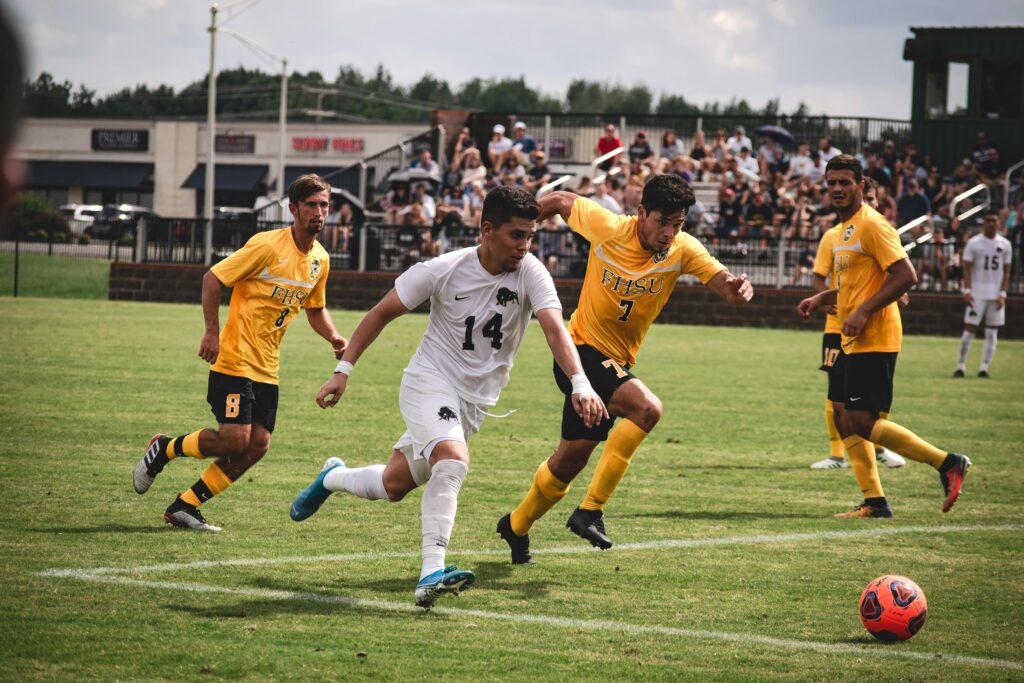
Soccer demands far more than most players admit. In a single match, you cover 9–12 kilometers, mix in repeated high-intensity sprints, absorb contact, decelerate violently, and change direction hundreds of times. This mechanical stress tears muscle fibers, drains energy stores, and taxes the nervous system. Without proper soccer training recovery, performance drops fast even if motivation stays high of soccer player.
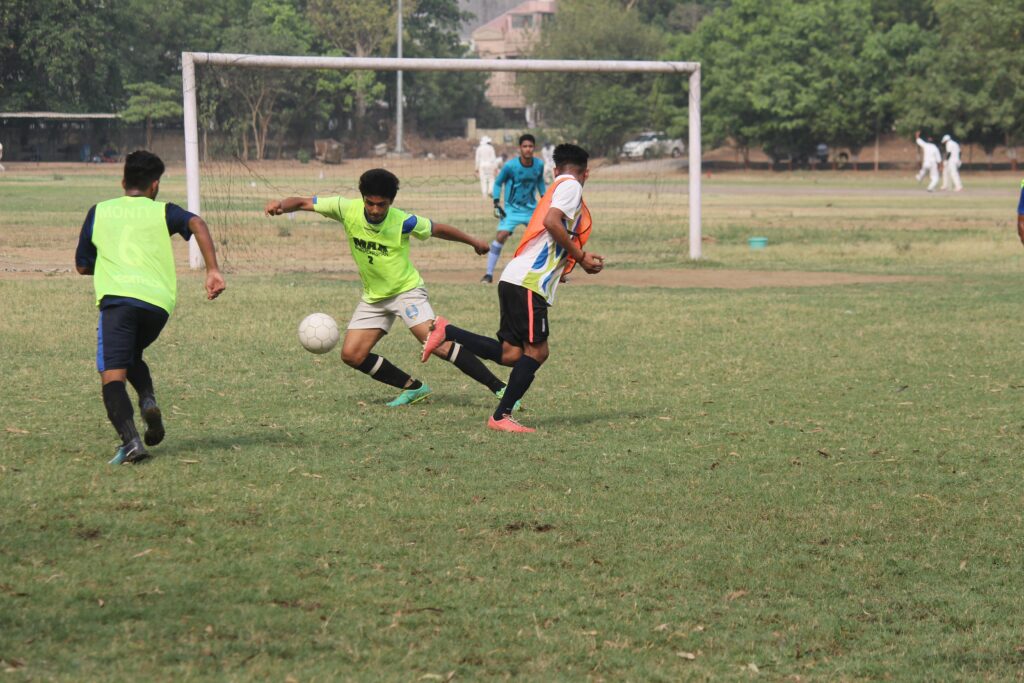
Poor recovery doesn’t just make you tired. It directly affects sprint speed, reaction time, and technical execution. Studies consistently show that athletes with inadequate recovery experience reduced power output and slower decision-making. Over time, this increases injury risk. Hamstring strains, groin pulls, and overuse injuries don’t appear randomly; they’re the result of ignored fatigue and poor training load management.
This is where injury prevention actually lives. Recovery isn’t passive rest; it’s an active process that manages cumulative fatigue. When muscle recovery time is ignored, micro-damage stacks up. The body never fully resets, and performance plateaus or collapses. Recovery isn’t optional, it’s the cost of playing the game at a high level.
Immediate Post-Match Recovery (0–2 Hours)
The window immediately after a match is where most players screw things up. You can’t undo a hard game, but you can either speed recovery or sabotage it great for soccer player.
Active Cool-Down Protocol
A proper active recovery cool-down starts with 8–10 minutes of light jogging or cycling to gradually bring heart rate down. This helps circulate metabolic waste products instead of letting them pool in tired muscles. Follow that with controlled dynamic movements, leg swings, walking lunges, hip openers. These aren’t aggressive stretching routines; they’re about restoring range without stressing damaged tissue.
Static stretching immediately after a match is overrated. Muscles are already fatigued and slightly damaged. Forcing long holds can actually increase irritation. Save deeper stretching for later sessions when tissues are warmer and calmer. The goal here is circulation, not flexibility records.
Nutrition Window
This is where recovery nutrition separates amateurs from professionals. Within 60 minutes post-match, aim for a 3:1 or 4:1 carbohydrate-to-protein ratio. That usually means 1 — 1.2 g of carbs per kg of bodyweight and 0.25 — 0.3 g of protein per kg. This supports glycogen replenishment and muscle repair simultaneously.
Real food works: rice with lean chicken, chocolate milk, yogurt with fruit. This isn’t complicated sports nutrition, it’s basic biology. Pair this with aggressive hydration strategies, including electrolyte replacement to restore sodium and potassium lost through sweat. Miss this window, and recovery slows guaranteed.
The First 24 Hours: Critical Recovery Period
This is where recovery either accelerates or stalls. What you do in this window determines how ready you are for the next session.
Sleep Optimization
Nothing beats sleep. Period. For sleep quality athletes, 8–10 hours isn’t a luxury, it’s mandatory. Deep sleep is where growth hormone peaks, driving tissue repair and inflammation reduction. Short sleep equals incomplete recovery, no matter how good the rest of your routine is.
Optimize your environment: dark room, cool temperature, no screens an hour before bed. Consistency matters more than supplements. If you’re training hard and sleeping five hours, your recovery plan is trash.
Cold Water Immersion vs. Contrast Therapy
Cold water immersion works but it’s not magic. Short exposures (8–12 minutes at 10–15°C) can reduce perceived soreness and help with fatigue management during congested schedules. However, daily use may blunt long-term strength adaptations. Use it strategically, not obsessively.
Contrast therapy is less supported by evidence but can feel good and improve circulation. If it helps you relax and sleep better, that’s a win. Just don’t pretend it replaces sleep or nutrition.
Compression Garments
Compression therapy has mixed evidence. It doesn’t rebuild muscle, but it may reduce swelling and improve comfort during travel or sleep. Use compression after matches or on long travel days not as a cure-all. Comfort and consistency matter more than hype the soccer player.
Active Recovery Techniques
Active recovery days are about movement without stress, not pushing fitness.
Low-Intensity Cardio
Swimming or cycling at 50–60% max heart rate for 20–30 minutes increases blood flow without adding load. This type of active recovery speeds nutrient delivery and supports muscle recovery time without breaking you down further.
Foam Rolling and Self-Myofascial Release
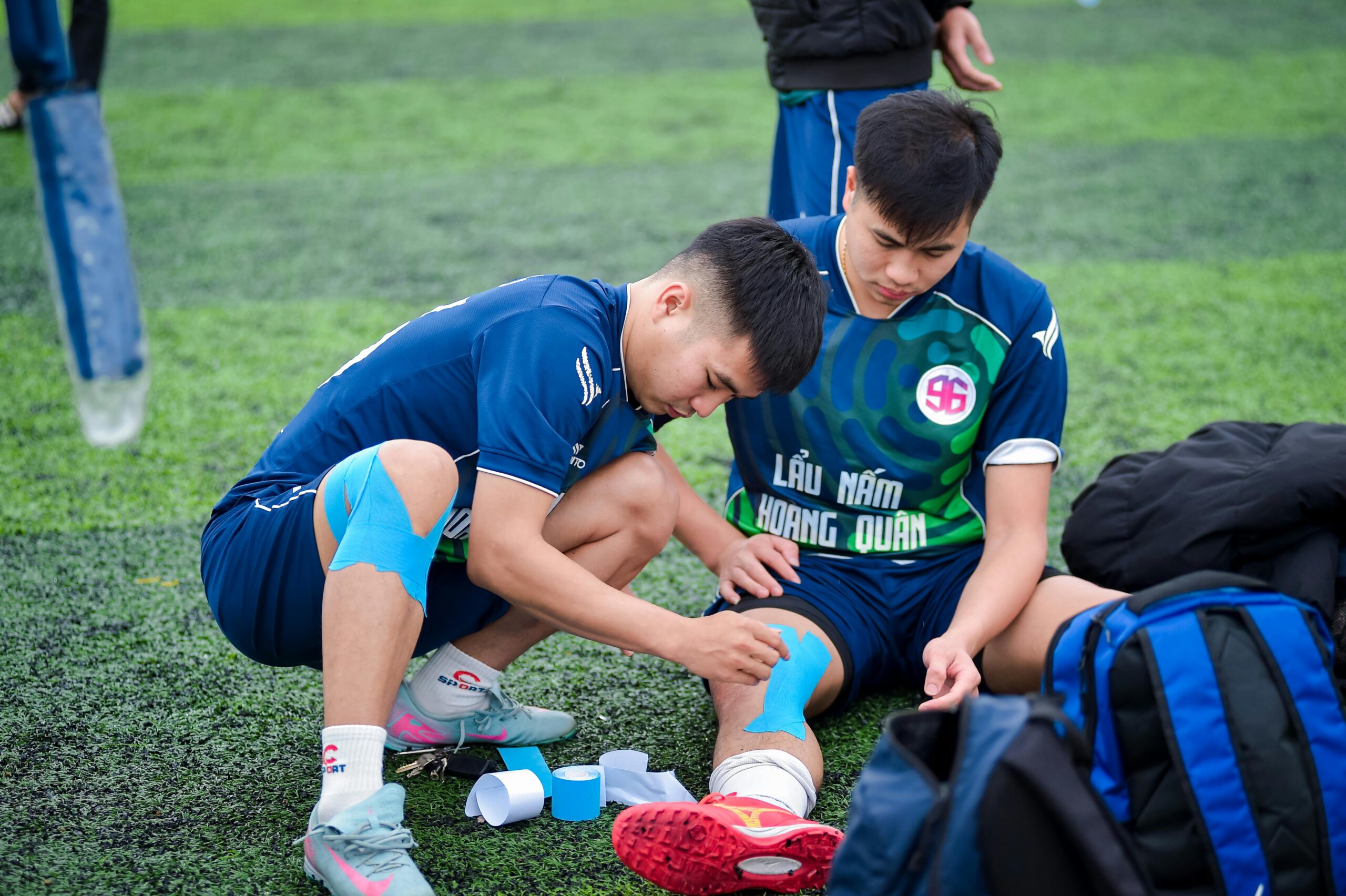
Effective foam rolling techniques target calves, quads, hamstrings, glutes, and adductors. Spend 60–90 seconds per area, focusing on slow pressure. Done right, this can reduce stiffness and improve movement quality. Overdoing it just irritates tissue more isn’t better.
Yoga and Mobility Work
Controlled mobility exercises improve joint function and help reset movement patterns altered by fatigue. For soccer players, hips, ankles, and thoracic spine matter most. This isn’t about flexibility contests, it’s about moving cleanly under load.
Nutrition for Sustained Recovery
Recovery doesn’t end after the first meal. Daily intake determines long-term durability.
Macronutrient Breakdown
Protein intake should land between 1.6 — 2.2 g per kg of bodyweight daily. Spread doses evenly and pay attention to protein intake timing, especially post-training and before sleep. Carbs should fluctuate with workload higher on match days, lower on recovery days. That’s smart sports nutrition, not restriction.
Anti-Inflammatory Foods
Fatty fish, berries, olive oil, turmeric, and leafy greens support inflammation reduction. Processed junk, excessive alcohol, and constant sugar spikes do the opposite. Food won’t eliminate soreness, but it absolutely influences recovery quality to soccer player.
Supplementation
Stick to evidence. Creatine supports repeated sprint ability and recovery. Omega-3s may reduce soreness. Vitamin D matters if you’re deficient. Skip the rest. If it promises miracles, it’s probably useless massage therapy in pill form.
Mental Recovery and Stress Management
Physical recovery means nothing if the mind stays stuck in overdrive. You can nail post-match recovery, follow perfect hydration strategies, and eat ideal recovery nutrition, but without a mental reset, the body never fully repairs.
This is where activating the parasympathetic nervous system becomes critical. Simple breathing drills or short meditation sessions lower cortisol levels, which directly supports inflammation reduction and improves overall muscle recovery time.
Just five minutes of slow nasal breathing inhale for four seconds, exhale for six can pull your nervous system out of fight-or-flight mode. That shift allows real tissue repair, better sleep quality athletes depend on, and improved hormonal balance. Without this reset, accumulated stress undermines active recovery, slows glycogen replenishment, and sabotages performance optimization.
Mental recovery also plays a major role in fatigue management during heavy schedules. Constant psychological stress increases injury risk, making injury prevention harder no matter how good your soccer training recovery plan looks on paper.
Separating mental stress from physical load helps regulate training intensity, improves focus, and supports smarter training load management. Recovery isn’t just about muscles, it’s about calming the system that controls them.
Periodization and Recovery Planning
Smart recovery is not about guessing it is about matching recovery to workload. When training or match intensity increases, recovery must increase with it. Heavy weeks with congested fixtures place massive stress on muscles, joints, and the nervous system, increasing muscle soreness and extending muscle recovery time.
This is where intelligent training load management becomes critical. You cannot train hard every week and expect consistent performance optimization without consequences. That mindset leads directly to poor fatigue management and higher injury risk.
Effective periodization training means planning recovery in advance, not reacting after breakdowns occur. Scheduled rest days are part of the program, not a sign of weakness. During heavy phases, recovery strategies like optimized post-match recovery, proper hydration strategies, quality sleep, and targeted active recovery sessions protect performance and support injury prevention. Lighter weeks, on the other hand, allow higher training intensity because the body has space to adapt and rebuild.
In-season recovery should focus on maintenance keeping players healthy, fresh, and consistent. The off-season allows deeper rebuilding through mobility work, strength balance, and long-term inflammation reduction. Listening to your body matters, but only inside a structured system. Recovery without structure is guesswork and guesswork gets players injured.
Frequently Asked Questions
What are the best recovery methods for soccer players after a match?
Prioritize post-match recovery through proper hydration strategies with electrolytes, consume protein intake within 30 minutes, perform active recovery cool-downs, and use cold water immersion for 10-15 minutes. Focus on sleep quality with 8-10 hours to maximize muscle recovery time and reduce muscle soreness effectively.
How can soccer players reduce muscle soreness naturally?
Combat muscle soreness through foam rolling techniques targeting major muscle groups, increase hydration with water and electrolytes, consume anti-inflammatory foods for inflammation reduction, perform light stretching routines, and prioritize rest days. Sports nutrition with omega-3s accelerates recovery while mobility exercises maintain flexibility and prevent stiffness.
What should soccer players eat for optimal recovery?
Focus on recovery nutrition combining protein and carbohydrates for glycogen replenishment. Consume lean proteins for muscle recovery, complex carbs, and anti-inflammatory foods. Time your protein intake strategically, ensure proper electrolyte replacement, and maintain consistent sports nutrition habits. This supports performance optimization and accelerates injury prevention through proper fueling.
How important is sleep for soccer player recovery?
Sleep quality athletes achieve recovery success. Aim for 8-10 hours nightly as sleep triggers muscle recovery time acceleration, reduces fatigue management issues, and enhances performance optimization. Poor sleep increases injury risk and impairs glycogen replenishment. Prioritize rest days with quality sleep for effective training load management.
Should soccer players use ice baths for recovery?
Cold water immersion benefits post-match recovery when used strategically, not daily. Use 10-15°C baths for inflammation reduction and muscle soreness relief after intense matches. Combine with compression therapy and active recovery methods. Overuse can hinder adaptations, so balance with massage therapy and stretching routines for comprehensive recovery.
Conclusion
Recovery isn’t glamorous, but it’s non-negotiable if you want to last in soccer. Every match creates muscle soreness, drains energy, and increases stress on joints and soft tissue. Ignoring post-match recovery is the fastest way to fall into chronic fatigue and rising injury risk.
Quality recovery is the foundation of injury prevention, not an optional add-on. When players prioritize sleep, they improve sleep quality athletes depend on for hormonal repair and nervous system reset. Without it, muscle recovery time stretches longer than it should, and performance suffers.
Proper recovery nutrition matters just as much. Smart sports nutrition supports glycogen replenishment, while correct protein intake timing helps rebuild damaged muscle fibers. Pair that with effective hydration strategies, including electrolyte replacement, and the body can actually adapt instead of breaking down.
Light active recovery, basic mobility exercises, and simple stretching routines keep movement clean between hard sessions and support long-term fatigue management.
Consistency beats perfection every time. You don’t need every recovery tool, just a plan that fits your training load. Commit to one habit this week, manage stress, respect rest days, and align recovery with training load management. That’s how players achieve real performance optimization and stay on the field.