

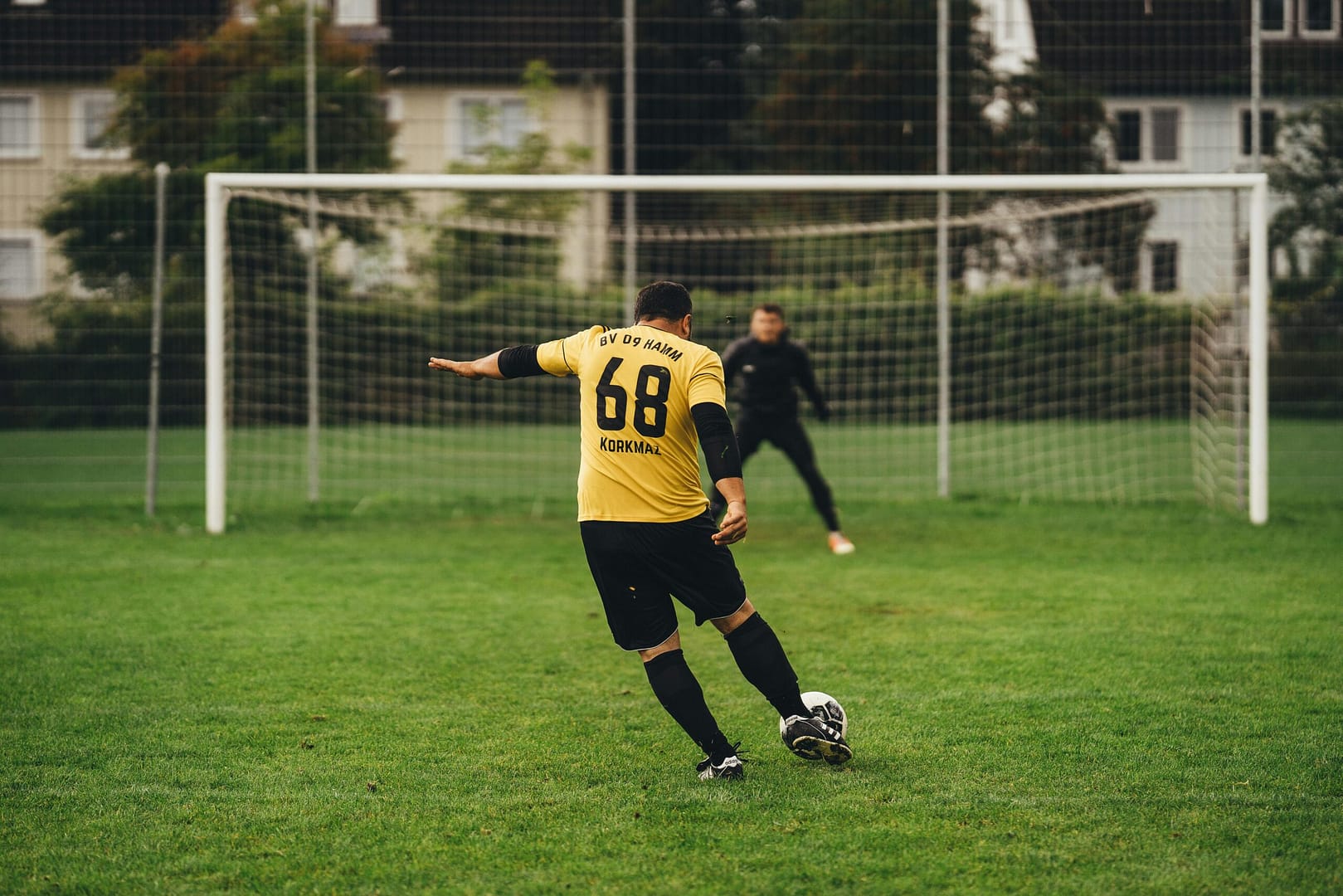
This is the ugly truth most youth coaches don’t want to hear: games are lost long before the final whistle, and they’re usually lost because nobody taught kids how to defend of defensive drills. Everyone wants flashy goals. Parents clap for stepovers.
Coaches design sessions around scoring. Then match day comes, the team collapses defensively, and everyone acts surprised. That’s trash coaching. Real player development starts with youth soccer defense training, because defending teaches discipline, focus, grit, and responsibility qualities that carry over into every position on the field and learn more about it on goalnyx.
When defensive habits are ignored early, bad behaviors grow roots. Kids dive in, turn their backs, stop tracking runners, and panic under pressure. Teaching proper soccer defending fundamentals at a young age prevents those habits before they fossilize. It also builds confidence. A child who knows how to defend isn’t scared of the ball, isn’t scared of attackers, and doesn’t hide during tough moments.
This guide cuts through the nonsense. You’ll learn practical, age-appropriate drills, how to progress them properly, and the most common coaching mistakes that sabotage young players. We’ll cover individual defending, team organization, tackling, awareness, and transition moments without overcomplicating things. If you want defenders who actually enjoy winning duels instead of running from them, keep reading.
Understanding Defensive Fundamentals for Youth Players
Before you throw kids into drills, you need to understand what defending actually means at their age. Good defense starts with the defensive stance soccer coaches love to ignore. Knees bent, weight forward, side-on body shape this is the foundation of every successful challenge. Without it, everything else falls apart.
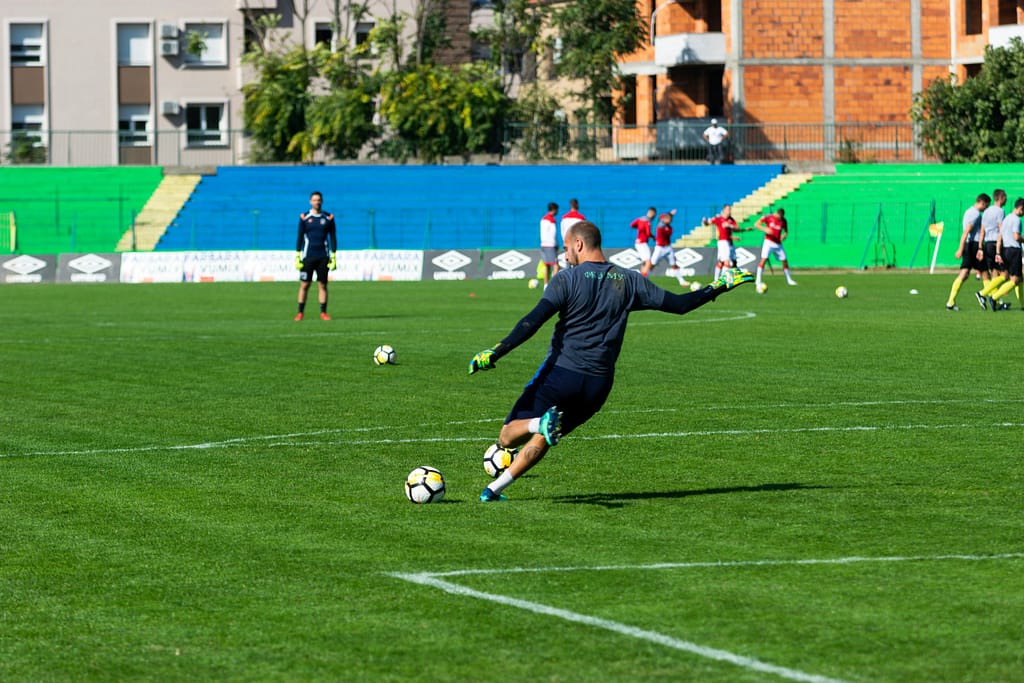
Young players struggle with defense because attacking feels fun and defensive work feels restrictive. Scoring gets praise. Winning the ball often goes unnoticed. Defense also demands patience and discipline, two things children are still developing. That’s why clear principles matter. At its core, defending is about delay, deny, and defend. Delay slows the attack. Deny removes dangerous options. Defend means winning the ball at the right moment, not the reckless one.
Age matters. Expecting U8 players to execute complex soccer defensive positioning drills is delusional. At that stage, focus on engagement and effort. By U10, you can introduce simple pressure cover balance concepts. U12 players are ready for structured zone defending youth ideas, while U14s can handle team shape and coordinated pressing. Ignore these stages and you either bore kids or overwhelm them both lead to failure.
Essential 1v1 Defensive Drills
Individual defending is non-negotiable. If a player can’t win or delay a duel, no system will save them. Mastering 1v1 defending techniques builds the backbone of every strong defense.
Shadow Defending Drill
The shadow defending drill is brutally simple and extremely effective. One player dribbles freely inside a grid while the defender mirrors their movement without tackling. The goal isn’t winning the ball, it’s matching speed, angle, and distance. This drill teaches patience and proper defensive footwork exercises, forcing defenders to stay balanced instead of lunging.
Young players often make the same mistakes here: crossing their feet, standing too upright, or getting too close. Coaches must reinforce side-on positioning and small, quick steps. This drill also quietly builds stamina and focus, two traits kids desperately need.
Jockeying Exercise
If your players can’t jockey, they can’t defend. Full stop. Jockeying drills soccer teach defenders how to control space without committing. The key lesson is distance management close enough to apply pressure, far enough to react.
Most kids rush in because they’re scared of being beaten. This drill teaches them that slowing an attacker down is a win. Over time, they learn how body angle forces attackers wide, buying time for teammates to recover.
Channel Defending
Channel defending forces attackers into predictable areas. It sharpens decision-making and teaches defenders to use the sideline as an ally. This drill develops discipline and introduces early marking drills soccer concepts without overwhelming players. Progressions can include limited touches for attackers or recovery defenders to increase pressure.
Team Defensive Drills
Individual skill is useless without team structure. Defending as a unit is where games are truly won of defensive drills.
Defensive Shape Drill (4v4 or 6v6)
A compact shape is everything. Compact defending drills teach players to move together, squeeze space, and protect dangerous zones. The focus isn’t chasing the ball, it’s maintaining distances between lines. This is where team defensive shape becomes a habit instead of a theory.
Communication is critical here. Players must talk, point, and adjust constantly. Introducing basic defensive communication drills early prevents silent defenses later on.
Pressing Triggers Exercise
Pressing without purpose is chaos. Pressing drills youth soccer teach players when to step and when to drop. Triggers might include a bad touch, back turned attacker, or sideline pressure. This drill helps players read cues instead of reacting blindly.
Understanding pressing also supports counterattacking prevention, because organized pressure reduces exposed spaces when possession is lost in defensive drills.
Recovery Runs Drill
Defense doesn’t end when you get beaten. Recovery runs soccer drills build the mentality that quitting is unacceptable. Players sprint back into shape after losing the ball, reinforcing defensive transition training and mental toughness. This drill separates competitors from spectators of defensive drills.
Tackling and Ball-Winning Drills
Winning the ball is an art, not a crime. Teaching safe, effective tackling drills for kids builds confidence without encouraging recklessness.
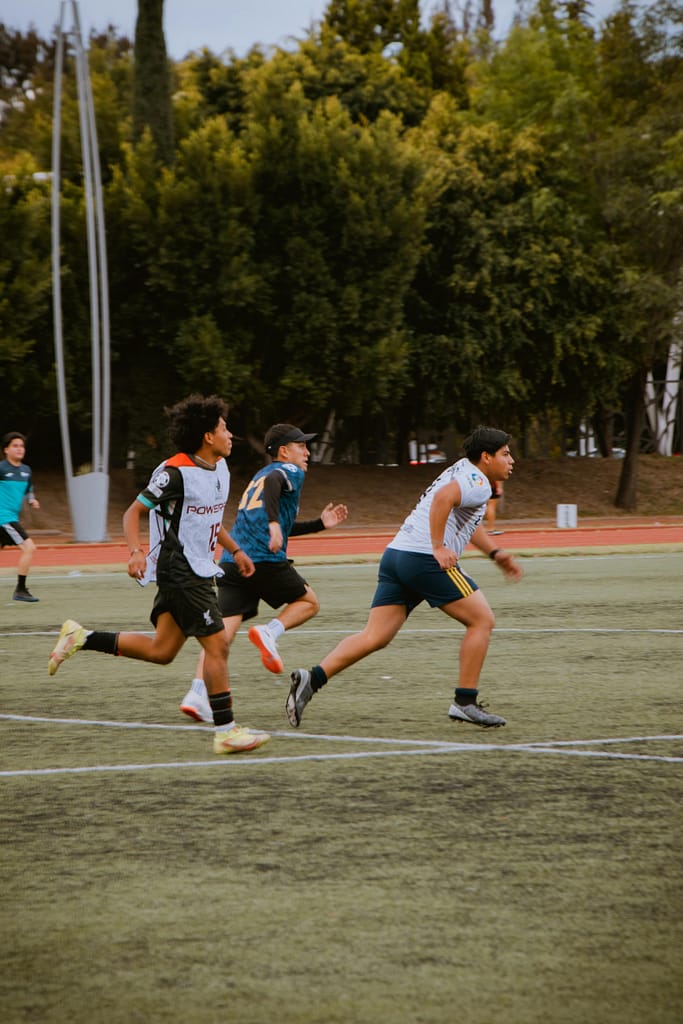
The block tackle teaches timing and body positioning. Players learn to step in when the ball is exposed, using their body to protect themselves. Ball-winning drills like this emphasize patience and balance rather than aggression.
Poke tackles should be introduced carefully and only when players understand control. Teaching when not to tackle is just as important. Safety always comes first, especially when teaching blocking shots technique and contact scenarios.
Positioning and Awareness Games
Defending is not just about strength or speed, it’s about thinking faster than the opponent. That’s where defensive awareness exercises become essential in youth development. These activities train young players to scan the field, recognize danger early, and make smarter decisions under pressure. Teaching kids to check their shoulder before receiving information is a true game-changer because it improves reaction time and prevents panic when attackers close in.
Using positioning grids helps players understand responsibility within their space, reinforcing soccer defensive positioning drills without boring lectures or over-coaching. Instead of telling players where to stand, these grids allow them to learn through movement, repetition, and game-like situations of defensive drills.
As players mature, coaches can gradually introduce more advanced concepts such as offside awareness, intercepting passes drills, and light defensive heading drills in safe, controlled environments that prioritize technique and confidence.
To keep sessions engaging, incorporating defensive soccer games is critical. Games naturally demand communication, decision-making, and effort while embedding tactical lessons without players even realizing they’re learning.
This approach not only improves defensive intelligence but also builds enjoyment, ensuring young players stay committed to becoming complete, reliable defenders.
Common Mistakes Youth Coaches Make
Most youth coaches sabotage defenders without even noticing the damage they’re doing. The biggest mistake is over-coaching technical details too early instead of building strong soccer defending fundamentals. When every movement is controlled and corrected, players stop trusting their instincts. Defending becomes robotic, slow, and ineffective, especially in real match situations that demand quick decisions.
Another major failure is ignoring 1v1 defending techniques. Coaches often jump straight into team defensive shape work, hoping the system will hide individual weaknesses. It won’t. One poor defender breaks the entire structure. Without solid defensive footwork exercises and confidence in duels, players panic and pull the team out of balance.
Many sessions also waste time with drills that don’t resemble real soccer. If exercises lack pressure, direction, or decision-making, players won’t transfer those skills into matches. Effective defensive soccer games and pressing drills youth soccer must reflect real moments players face on the field.
The most damaging mistake of all is failing to reward defensive effort. When winning tackles, blocking shots, or making recovery runs soccer go unnoticed, players learn that defending doesn’t matter. That mindset creates passengers instead of reliable defenders in defensive drills.
Frequently Asked Questions
When should coaches start structured defensive training for kids?
Coaches should begin youth soccer defense training early, focusing on basic soccer defending fundamentals. Simple defensive awareness exercises at young ages help players build confidence, discipline, and smart habits before bad defensive behaviors develop.
What are the most important skills in 1v1 defending for youth players?
Strong 1v1 defending techniques rely on balance, patience, and proper defensive stance soccer. Using jockeying drills soccer, players learn how to control space, delay attackers, and avoid reckless challenges.
How can coaches improve team defending in youth soccer?
Improving team defensive shape requires repetition, communication, and compact movement. Structured pressing drills youth soccer combined with compact defending drills help players defend as a unit instead of chasing the ball individually.
Are tackling drills safe for young soccer players?
Yes, when taught correctly. Age-appropriate tackling drills for kids and controlled ball-winning drills focus on timing and safety, not aggression. Teaching proper blocking shots technique also reduces injury risk.
Why is defensive transition training important in youth soccer?
Quick reactions after losing possession are critical. Defensive transition training using recovery runs soccer improves effort and prevents counterattacking prevention breakdowns during games.
Conclusion
Strong teams are built from the back, and that truth never changes, no matter the age group. When coaches commit to youth soccer defense training early, they are not just teaching kids how to stop goals, they are developing smarter, tougher, and more confident players. Defense forces young athletes to think, communicate, and take responsibility for their actions. These lessons shape mindset long before tactics ever do.
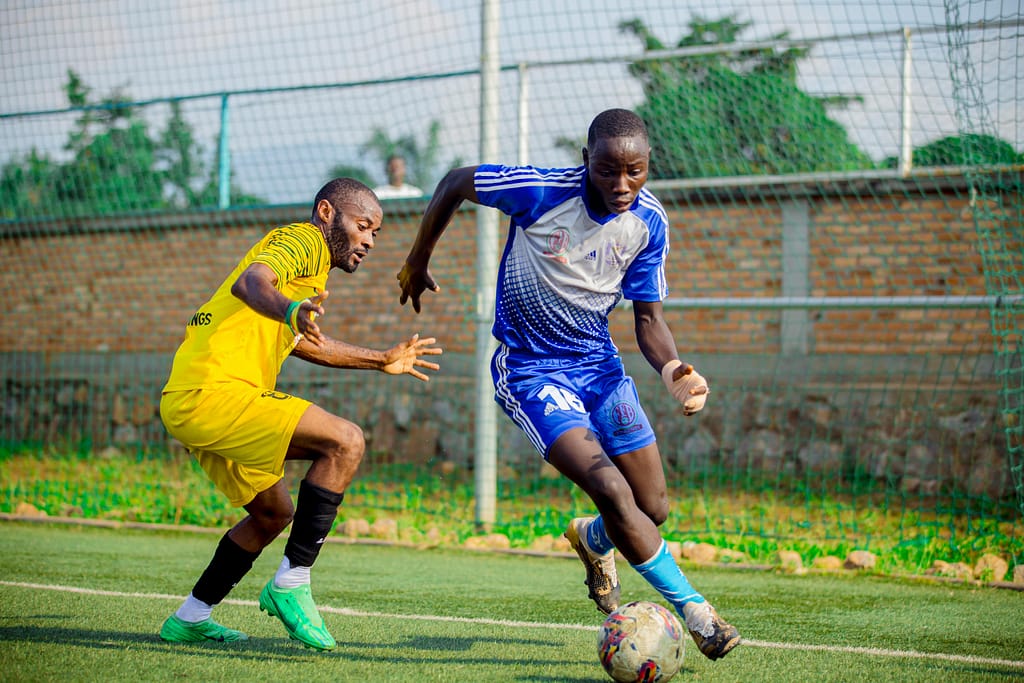
Introducing proper soccer defending fundamentals at a young age helps players understand positioning, timing, and patience. Instead of panicking or diving into tackles, they learn how to stay balanced, delay attackers, and protect dangerous spaces. Over time, these habits translate into better decision-making across the entire field. Players who defend well read the game faster and stay composed under pressure.
Defense also builds resilience. Through structured defensive awareness exercises and realistic game situations, young players learn that mistakes are part of growth, not a reason to quit. Tracking back, communicating with teammates, and recovering after losing possession all develop mental toughness.
The key is action. Pick one defensive drill from this guide, apply it consistently this week, and focus on progress over perfection. Commit fully to building defenders the right way, and the results will follow.