

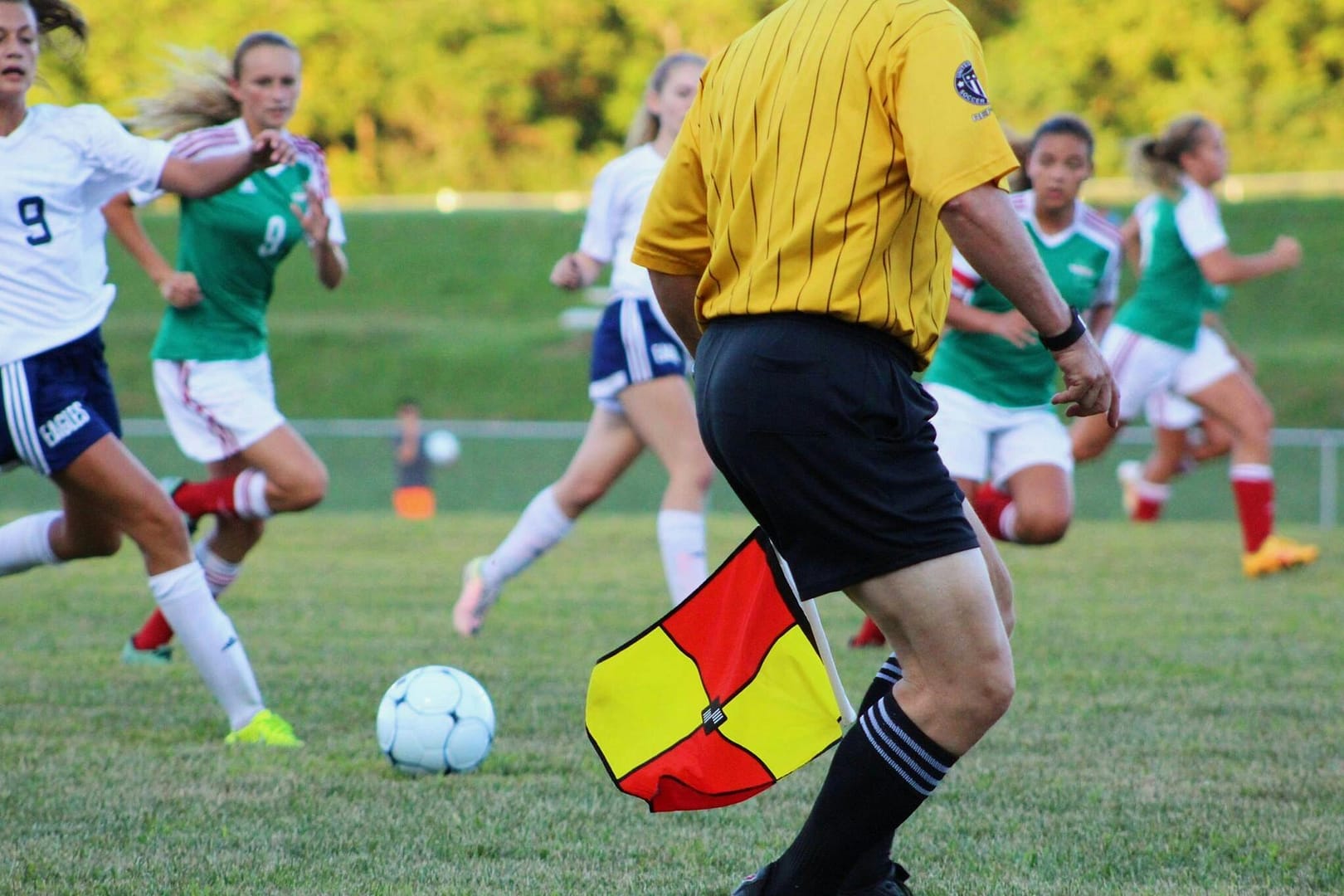
At its core, upfield play is about intent, courage, and execution in the most dangerous areas of the pitch. In modern soccer, teams that control advanced zones don’t just look better, they win more often in upfield soccer.
Playing higher, thinking faster, and acting decisively forces opponents into mistakes and creates moments that decide matches. This style is not about blind aggression; it’s about intelligent offense built on positioning, timing, and awareness.
When teams commit bodies forward, the attack becomes layered and unpredictable. The players closest to the opponent’s goal are no longer isolated; they are supported, rotated, and constantly creating problems and learn more about it only on goalnyx.
This guide breaks down how advanced-field play actually works, not in theory, but in practical terms you can recognize, train, and apply.
You’ll learn what advanced positioning really means, which roles matter most, the skills that separate dangerous players from harmless ones, and the tactical ideas that turn pressure into real outcomes.
If your goal is to understand how teams consistently create threats instead of just holding possession, this is where it starts.

What is Upfield Soccer?
Upfield play refers to how a team operates once the ball moves beyond the middle zones and into areas where decisions have consequences. This isn’t about simply pushing numbers forward; it’s about how the forward line functions as a unit. Players here are expected to think two actions ahead because time and space disappear quickly.
Many confuse advanced play with reckless commitment. That’s wrong. The real difference between controlled progression and hopeful play lies in structure in soccer positions guide.
When teams move the ball higher with purpose, each player understands where pressure will come from and where support exists. This reduces panic and increases clarity.
The attacking third is where matches are decided. Defenders are compact, angles are tight, and every touch is judged. In these zones, one poor decision can waste momentum, while one sharp action can unlock everything.
That is why advanced play is central to overall strategy. It dictates how a team presses, how it recovers shape, and how it protects itself when things go wrong.
Teams that master this phase don’t rely on luck. They manufacture danger repeatedly, forcing opponents to defend longer than they want to. Over time, resistance breaks not because of chaos, but because of sustained intelligence.
Key Upfield Soccer Positions
The players closest to goal carry the heaviest responsibility. The striker is often judged only on goals, but their real value is measured by how they manipulate defenders. Their movement pins back lines, creates passing lanes, and opens space for others to exploit.
Wide attackers such as the winger stretch the field horizontally. By staying high and wide at the right moments, they force defenders to make uncomfortable choices. Step out and leave gaps, or stay compact and concede space out wide. Either option benefits the attacking team when timed correctly in upfield soccer or coach training.

Between the lines sits the attacking midfielder, arguably the most influential role in advanced zones. This player connects phases, reads defensive shapes, and decides when to accelerate play or slow it down. Their awareness determines whether possession becomes pressure or fizzles out.
Support doesn’t only come from central areas. Fullbacks pushing forward provide depth and unpredictability, arriving late rather than camping high. When roles are understood, advanced play becomes a coordinated effort instead of a crowded mess.
Essential Upfield Soccer Skills
Technical ability in tight areas separates functional players from dangerous ones. Ball control must be clean because defenders are close and aggressive. A poor first touch doesn’t just lose momentum; it invites pressure and limits options instantly.
Vision and passing accuracy are critical. The ability to spot and execute a through ball at the right moment can undo an entire defensive structure. Likewise, knowing when a long pass is smarter than forcing short combinations shows maturity.
Movement without the ball is just as important. Smart players create angles through a support run, giving the ball carrier an exit option under pressure. Others use a give-and-go to bypass defenders who overcommit.
Shooting technique matters, but decision-making matters more. Not every opportunity requires power. Sometimes the smartest action is a controlled shot on goal placed where the keeper can’t set. True quality shows in choosing the right tool, not just swinging hard.
Upfield Soccer Tactics and Strategies
Advanced tactics are about creating imbalance. Teams often seek overloading in specific zones, pulling defenders out of shape to open gaps elsewhere. When defenders shift, space appears and that’s when exploitation begins.
Movement patterns like the third-man run are lethal because they attack blind spots. Defenders track the ball and the immediate receiver, not the late runner arriving with momentum. Timing here is everything.
Wide progression isn’t just about speed. An overlapping run forces defenders to turn and adjust, creating hesitation. When followed by accurate crosses, even well-organized defenses can be stressed.
Modern teams also rely on a high press to keep play advanced. By winning the ball closer to goal, they shorten the distance to danger and increase the quality of chances. When pressing fails, awareness of possession loss risk becomes critical to avoid exposure.
Quick decisions define elite sides. A quick transition after regaining the ball can catch defenses unbalanced, especially when exploiting the space behind defense. Whether through direct play or a clever switch of play, the goal is the same: arrive before the defense resets.
When executed correctly, these ideas create a numerical advantage in key zones, leading to a genuine goal-scoring chance instead of speculative pressure on soccer.
Training Drills for Upfield Soccer
Training advanced play demands realism. Small-sided games force players to make decisions under pressure, mirroring match conditions. These environments sharpen reactions and punish hesitation.
Finishing exercises should replicate chaos, not perfection. Players must learn to score when balance is off and defenders are close. Practicing finishing under fatigue builds composure where it matters.
Combination drills that emphasize timing improve chemistry. Rehearsing patterns like the switch of play or a delayed pass teaches players to recognize cues rather than memorize routes.
Speed and agility work supports everything. Advanced players cover short distances repeatedly, often changing direction. The body must keep up with the brain, or ideas die before execution.
Common Mistakes in Upfield Play
Poor positioning is one of the most damaging mistakes players make in advanced areas. Instead of holding their zones, many drift toward the ball, compressing space and making it easier for defenders to stay organized.
When space disappears, attacking options vanish with it. Another common problem is forcing passes that simply are not available. Players chasing spectacular moments often ignore safer options, leading to unnecessary turnovers and leaving the team vulnerable to a counterattack.
Patience in these moments is not a lack of ambition; it is a form of control that keeps pressure building. Off-the-ball movement is also frequently neglected. Some players expect the ball carrier to create everything, but without coordinated runs, defenses remain compact and comfortable.
Avoiding these errors begins with awareness and discipline. Players must recognize where real danger is created and resist the urge to rush decisions. Effective advanced play rewards calm thinking, smart positioning, and collective movement rather than panic-driven actions.
Tips from Professional Players
Experienced attackers often agree that the game becomes easier when you stop trying to make it complicated. Instead of chasing the ball or forcing actions, they focus on reading defenders’ body shape, especially the hips, which usually reveal where the defender is about to move.
These small visual cues can open up big opportunities if the attacker stays alert and composed. Mental sharpness is just as important as technical ability at this level. In crowded attacking areas, panic leads to turnovers, while calm decision-making allows players to protect the ball and use effective hold-up play to bring teammates into the attack.
Another lesson top players consistently highlight is patience. Not every situation demands speed or an immediate forward action. Slowing the game down at the right moment can actually unbalance defenders, pulling them out of position and creating spaces that did not exist just seconds earlier.
Frequently Asked Questions
What is the biggest challenge in advanced-field play?
Decision-making under pressure is the hardest part because time and space disappear quickly.
Do you need fast players to play effectively up the field?
Speed helps, but intelligence and timing matter more than raw pace.
Why do some teams dominate possession but create few chances?
Because possession without structure does not automatically lead to danger.
How can players improve movement without the ball?
By studying game situations and understanding when to move, not just where.
Is pressing high always the best option?
No. It must fit the team’s shape and recovery ability, or it becomes risky.
Conclusion
Advanced-field play is often the difference between teams that simply compete and teams that consistently win. Matches are decided in these areas because space is limited, pressure is intense, and every decision carries weight.

When players truly understand how positioning, movement, and timing work together, attacking actions become purposeful rather than rushed. Instead of reacting to pressure, players begin to control it, using coordinated runs, intelligent spacing, and quick thinking to break down organized defenses. The game opens up when players look beyond their next touch and anticipate what will happen two or three actions ahead.
Improving this aspect of play does not happen by accident. It requires repetition, honest reflection, and focused training. Practicing with clear intent, analyzing high-level matches, and prioritizing smart decision-making alongside technical ability are essential.
As players grow more comfortable operating in advanced zones, confidence increases, mistakes decrease, and attacking impact becomes more consistent when it matters most.