
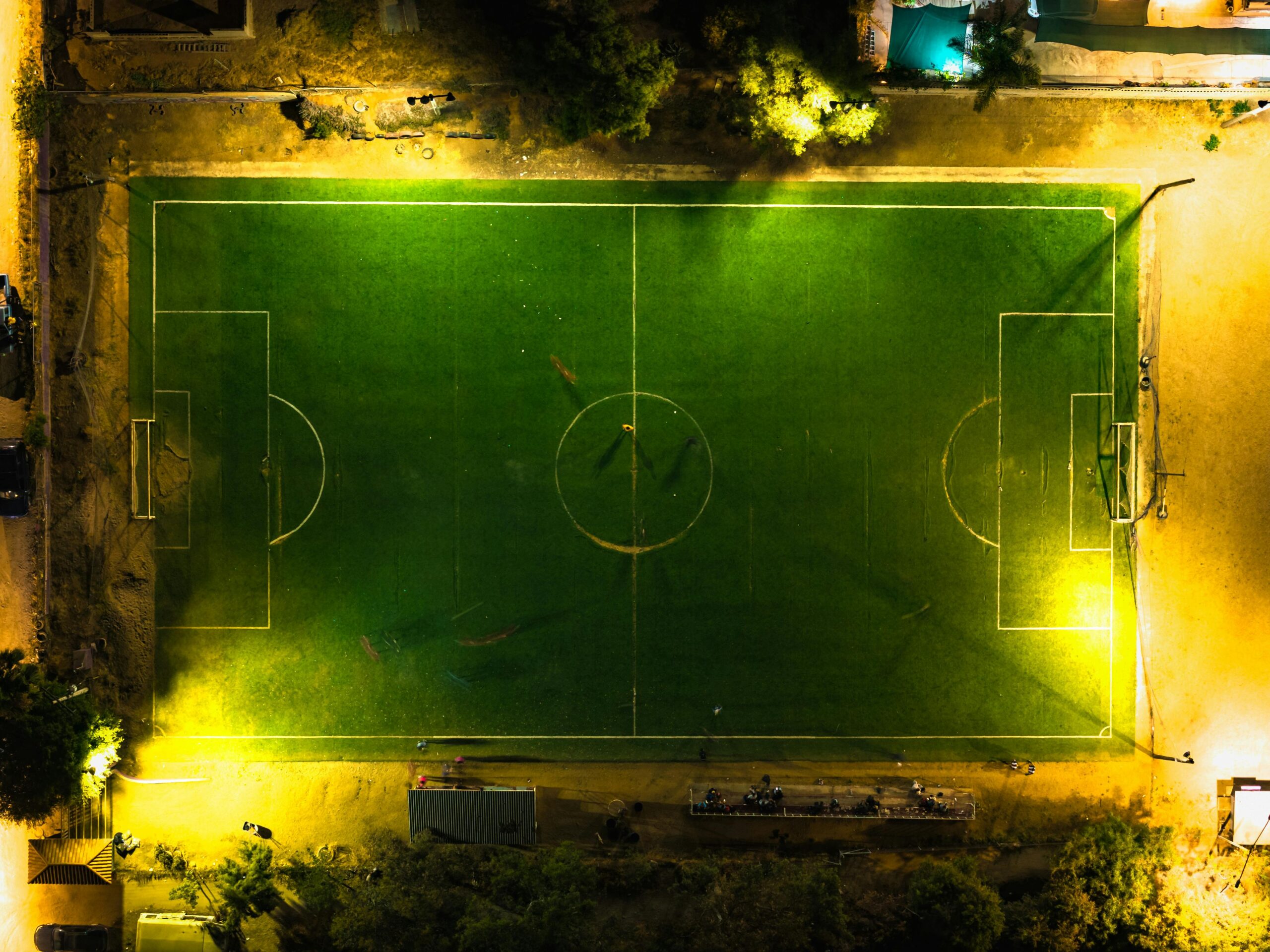
Night games are no longer a luxury in soccer. They are a necessity. Fields are booked all day, players work nine-to-five, and training often starts after sunset. That pressure has pushed clubs, schools, and event organizers to look for smarter lighting solutions that don’t involve six-figure construction projects. That’s where portable soccer field lights come in.
These systems are designed to bring reliable illumination to a pitch exactly when and where it’s needed, without permanent installation. Unlike fixed poles, they can be moved, stored, rented, or shared across locations. The appeal is obvious: flexibility, speed, and cost control learn more about it on goalnyx.
Whether you’re running a youth league, hosting a weekend tournament, or managing a multi-use sports complex, portable lighting keeps play going without locking you into long-term infrastructure. In this guide, you’ll learn what these systems really are, how they work, what features actually matter, and how to choose a setup that won’t disappoint you when the sun goes down. If you’re serious about extending play hours without burning cash, this is required reading.
What Are Portable Soccer Field Lights?
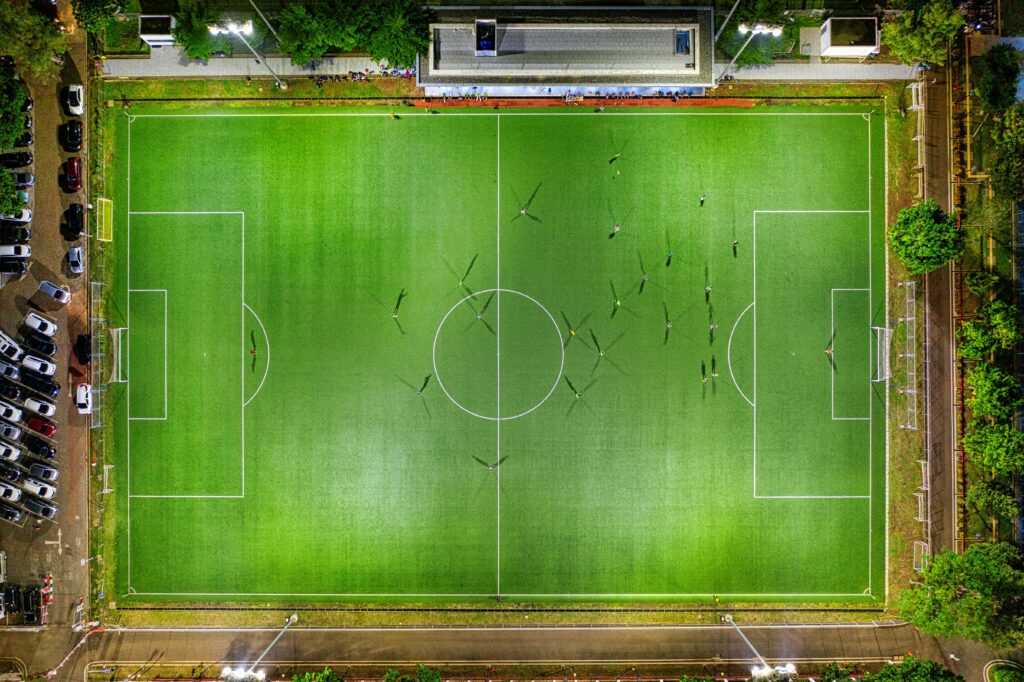
At their core, portable lighting systems are self-contained units designed to illuminate a soccer pitch without permanent foundations or underground wiring. Portable lights for soccer fields combine high-output fixtures with mobile support structures, allowing them to be deployed on demand. The biggest difference between these and permanent systems is commitment.
Fixed lighting requires construction, permits, trenching, and inspections. Portable systems don’t. A portable outdoor lights for soccer field setup is typically brought in on wheels, positioned around the pitch, powered up, and ready to go within hours or sometimes minutes.
A portable light for soccer field application is common in training grounds, pop-up tournaments, school facilities, and rental fields where permanent modifications are not allowed. These systems usually include light heads, a mast or tower, a base or trailer, and a power source.
Many modern designs prioritize balance and stability to handle wind and uneven ground. Soccer field portable lights are not toys; they’re engineered to meet real performance demands. The goal is consistent, safe illumination that supports player visibility, referee judgment, and basic broadcast needs without the headaches of permanent infrastructure.
Benefits of Portable Soccer Field Lights
The biggest advantage of portable field lights for soccer is flexibility. You are no longer tied to one field or one configuration. Lights can be repositioned, shared between venues, or removed entirely when not needed.
This is especially valuable for clubs managing multiple age groups or rotating practice schedules. Cost is another major win. Installing permanent lighting can destroy budgets. Portable lights for soccer field setups avoid trenching, cabling, and structural engineering costs, making them far more accessible.
Setup speed matters more than people admit. With soccer field lights portable systems, you can light a field the same day an event is scheduled. That makes them ideal for temporary venues, emergency use, or facilities testing demand before committing long-term. There’s also no major electrical work involved, which means fewer permits and less downtime.
Many organizations appreciate scalability too. You can start small and add units as needs grow. Even portable stadium lights used for semi-professional matches can be redeployed later. When flexibility, speed, and financial sanity matter, portable lighting wins by a mile.
Key Features to Consider
Brightness is non-negotiable. Any mobile soccer field lighting system must deliver sufficient lumens to meet training or match standards. While professional matches demand higher levels, most training fields function well with modern LED output.
Power source is another critical factor. Some units rely on generators, others on batteries, and hybrid options are increasingly common under temporary sports lighting solutions. Your choice affects noise, runtime, and operating costs.
Portability isn’t just about wheels. Weight distribution, mast height, and transport dimensions all matter. LED portable field lights are lighter and more efficient than older technologies, which improves handling and reduces fuel or charging needs. Weather resistance is often ignored until it fails. Look for sealed housings and corrosion-resistant frames.
Runtime matters too. Rechargeable field lights must last through full sessions without dimming. Light quality is another overlooked factor. Flicker, glare, and uneven coverage can ruin play. High-quality optics and proper beam angles make a massive difference. Finally, ease of setup matters. Systems that require specialists every time will slow you down and cost more in the long run.
Types of Portable Soccer Field Lights
There are several common formats on the market, each with strengths and weaknesses. Battery-powered stadium lights are popular for noise-sensitive areas because they operate silently. They’re ideal for evening training sessions near residential zones.
Trailer-mounted lights offer stability and extended runtime, making them suitable for tournaments or multi-day events. These are often seen at larger venues due to their durability.
Another option is tower-mounted portable lights, which use telescoping masts to elevate fixtures for broader coverage. These systems balance height and portability well. Portable light towers are commonly used in semi-professional settings where higher mounting improves uniformity.
Newer solutions include wireless field lighting, which simplifies control and coordination. Solar-powered sports lights are emerging as eco-friendly alternatives, though they depend heavily on climate and charging conditions. For smaller venues, compact field light systems provide adequate coverage without overwhelming storage or transport capacity.
How to Choose the Right Portable Soccer Field Lights
Choosing the wrong system is expensive. Start with field size and performance expectations. A training ground doesn’t need the same output as a match venue. High-lumen portable lights are impressive, but unnecessary if you’re only running drills.
Budget matters, but cheap systems often fail when pushed. Think about frequency of use. If lighting is occasional, rentals or lighter systems make sense. For regular use, durability is key.
Power availability will narrow options quickly. If grid access is limited, quick-deploy soccer lights with integrated power are essential. Transport is another reality check. If you don’t have space or towing capacity, oversized units become liabilities.
Consider how many units you actually need. Even coverage matters more than raw brightness. Systems like portable LED floodlights are effective when positioned correctly. Height adjustability also helps fine-tune coverage, which is why adjustable height light towers are valued by experienced operators.
Top Applications and Use Cases
Portable lighting thrives where flexibility is mandatory. Event lighting for soccer is one of the most common uses, especially for weekend tournaments or charity matches. Youth leagues rely on portable pitch illumination to maximize limited field availability. Adult recreational leagues benefit from evening access without permanent upgrades. Training academies use portable systems to extend practice hours seasonally.
Another key application is temporary or emergency use. Lightweight field lighting can be deployed quickly when permanent systems fail. In disaster recovery or infrastructure outages, rugged outdoor sports lights keep community programs running. Municipalities also use emergency sports lighting to maintain safe activity spaces during outages or repairs. The ability to adapt quickly makes portable systems indispensable in modern sports planning.
Installation and Setup Tips
Good lighting placement is not guesswork. Poor positioning creates shadows, glare, and uneven brightness. Systems powered by field lighting with generator setups must be placed with ventilation and noise in mind. Always prioritize player safety. Secure bases on level ground and lock masts properly. Avoid aiming lights directly into goalkeeper sightlines.
Glare control is critical. Dimmable portable stadium lights allow fine adjustments that protect visibility and comfort. Weather matters too. Ensure all connections are sealed and rated for outdoor use. Weatherproof portable lights reduce failure risk during rain or humidity. Modern systems often include remote-controlled field lights, which simplify adjustments during play. Always check local regulations before deployment to avoid compliance issues.
Maintenance and Care
Portable systems still need care. Regular inspections prevent failures during use. Clean lenses to maintain output and check seals for moisture intrusion. Portable lighting for night matches is only reliable if batteries are maintained and generators serviced. Storage matters more than people think. Dry, covered storage extends lifespan significantly.
Schedule LED inspections even though they last longer than traditional bulbs. Look for frame cracks, cable wear, and connector corrosion. Systems designed as low-glare sports lighting require proper alignment checks to maintain performance. With basic care, quality units deliver years of reliable service without drama.
Cost Considerations
Pricing varies widely based on capability. Entry-level systems cost far less than full portable arena lighting setups designed for competitive play. Rentals are attractive for short-term needs. Temporary athletic field lighting rentals eliminate maintenance and storage concerns, but costs add up over time.
Ownership makes sense for frequent use. Operating costs depend on power source. Fuel, charging, and maintenance should be calculated realistically. Long-term ROI improves when systems are shared across programs. Financing options are increasingly available, especially for schools and clubs managing tight budgets. The key is aligning spending with actual usage, not wishful thinking.
Top Brands and Products
Brand choice is not a small detail when it comes to sports lighting. If lights fail during a match, there is no backup plan and no second chance. Players stop, schedules break, and credibility is lost. That’s why established manufacturers matter.
Reputable brands spend serious time and money on testing, optical design, and long-term performance. They understand how light behaves on a soccer field, not just how bright a lamp looks on paper. You should always prioritize companies with real experience in sports environments, not brands that mainly sell general construction equipment and simply repackage it for fields.
Warranty length is one of the clearest signs of quality. A strong warranty shows the manufacturer trusts its own product. Support is just as critical. When something breaks, you need fast answers, available spare parts, and technicians who actually understand the system.
Vendors that provide portable arena lighting should also supply clear manuals, safety guidelines, and realistic performance data. Cheap brands often look attractive at first, but they vanish when problems appear. When lights go down mid-game, saving money upfront suddenly feels like a bad decision. This is not an area where gambling makes sense.
Frequently Asked Questions
How many lumens do I need for a regulation soccer field?
Training fields usually need lower output than competitive matches. Most recreational setups perform well with modern LED systems designed for even coverage rather than extreme brightness.
Can portable soccer field lights run on batteries?
Yes. Many modern systems use advanced battery technology, offering silent operation and sufficient runtime for training and short matches.
How long does it take to set up portable soccer field lights?
Depending on the system, setup can take anywhere from 15 minutes to a few hours. Simpler designs are faster but may offer less coverage.
Are portable lights bright enough for competitive matches?
High-end systems are absolutely capable of supporting competitive play, especially at amateur and semi-professional levels.
What’s the average lifespan of LED portable field lights?
Quality LED fixtures often last 50,000 hours or more with proper maintenance, making them a long-term investment.
Conclusion
Portable lighting has completely reshaped how modern soccer fields are used, managed, and monetized. Today, clubs and facilities are no longer limited by daylight or forced into expensive construction projects just to extend play hours. With portable soccer field lights, fields can host evening practices, late-night matches, and weekend tournaments without permanent installation.
This flexibility helps maximize field usage, reduces scheduling conflicts, and opens new revenue opportunities for facility owners. From youth training sessions to competitive events, portable systems deliver reliable illumination exactly when it’s needed.
However, the value of lighting depends entirely on choosing the right solution. This starts with brutal honesty about your actual needs. Overbuying leads to wasted money, complex storage, and higher maintenance costs.
Underbuying results in poor visibility, unsafe play, and frustrated players. Before committing, evaluate your field size, how often lighting will be used, and what power sources are available. Systems like mobile soccer field lighting are ideal for facilities that need flexibility, while temporary athletic field lighting works best for short-term or seasonal use.
Talk directly with suppliers, request live demonstrations, and study real user feedback. Smart lighting decisions don’t just save money, they keep the game alive long after sunset and ensure players perform at their best under consistent, safe illumination.