


When my child first started playing are metal cleats allowed in youth soccer, one of the biggest decisions we faced was choosing the right pair of cleats. Selecting footwear that balances performance, comfort, and safety is crucial for young players navigating the field. This guide aims to help parents and coaches understand how these important decisions directly impact a child’s success on the pitch.
Choosing the right youth soccer cleats is one of the most important decisions for young soccer players
For young athletes, the choice of youth soccer cleats affects performance, comfort, and safety. Parents must select a pair that allows their child to run, stop, and change directions on the field efficiently. These decisions are not just about comfort; they impact how players interact with the ball and can determine long-term success. Making the wrong choice can reduce control and even cause injuries, highlighting the important nature of this selection process.
are metal cleats allowed in youth soccer Understanding Youth Soccer Cleat Rules
It is critical to understand are metal cleats allowed in youth soccer before purchasing. Young players need traction, balance, and stability to run, stop, and change directions quickly. Shoes like sneakers or those with improper studs may fail to grip the ground, whether on grass or turf, leaving a child unbalanced or slipping during play. Adhering to leagues’ rules ensures the cleat worn does not create trouble or increase the risk of injury, keeping players safe.
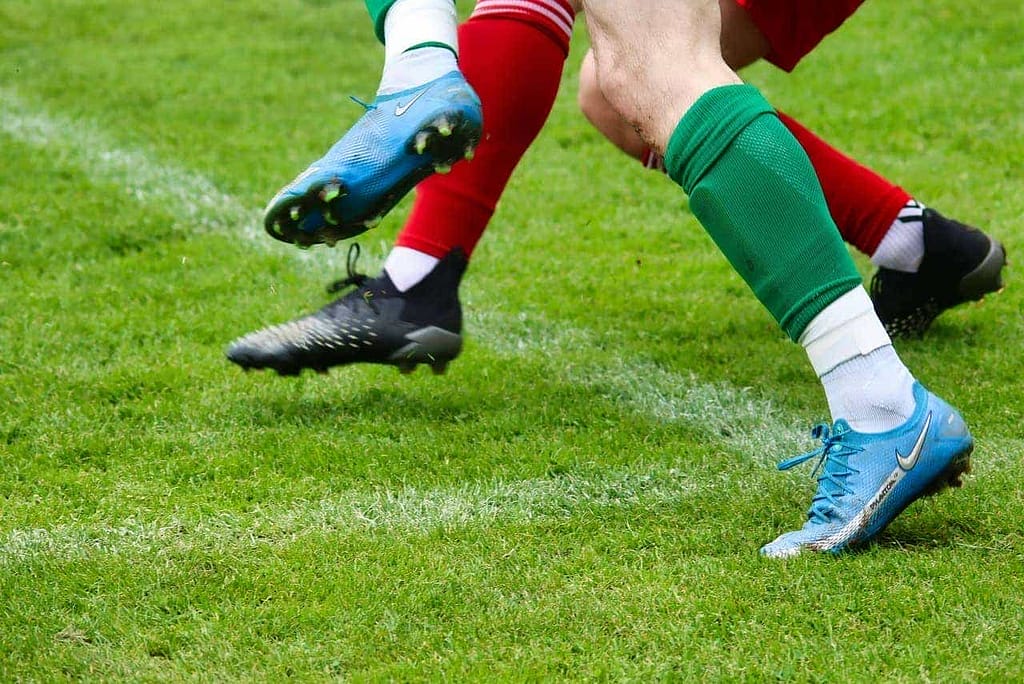
Safety Considerations in Youth Soccer Cleats
are metal cleats allowed in youth soccer? Safety is a top concern in youth sports, and cleat rules exist to reduce injuries. Metal studs or metal cleats increase risk, creating dangerous conditions on the field. Parents and coaches must provide footwear that offers grip and performance without introducing accidents. Understanding which elements are needed to prevent injuries helps ensure young athletes enjoy the game without unnecessary concern for safety.
Youth Soccer Cleat Requirements and Regulations
Every soccer league has youth cleat requirements designed with the goal of keeping players safe. Organizations like the American Youth Soccer Organization (AYSO) enforce regulations that prohibit metal cleats due to their dangerous nature. No Toe Cleats are allowed in football or baseball youth leagues either. Molded rubber, plastic, or studs on the bottom of the cleat provide traction while avoiding harming other players, making these requirements crucial for maintaining a safe playing environment.
Youth Soccer Cleat Size Guide: Finding the Right Fit
Correct size is key for youth soccer cleats. Ill-fitting shoes can create pain, blisters, or loose movement that reduces control of the ball. Parents should measure their child’s feet, leaving some room for growth while ensuring the toe and width are snug but not tight. A simple test involves having the child walk and run in the cleats to check for snugness, pinching, or discomfort during practices and games, especially over long periods.
Importance of Proper Sizing in Youth Soccer Shoes
Choosing the right cleat size prevents common problems like small blisters or pain, and avoids big issues where a child may trip or lose control of the ball. Children’s feet grow, so regularly checking and replacing shoes is practical. Well-fitted cleats enhance performance, comfort, and safety, allowing young players to enjoy the game fully.

Types of Youth Soccer Cleats
There are different types of youth soccer cleats depending on surface and player needs. Firm Ground (FG) cleats are best for natural grass fields, featuring longer molded studs for traction. Turf (TF) cleats have shorter rubber studs suitable for artificial fields to prevent damage. For indoor leagues, specialized options exist that balance grip and comfort, allowing parents to choose the best cleats for their child’s playing environment.
Are Metal Cleats Allowed in Youth Soccer Youth Soccer Cleat Tier List
are metal cleats allowed in youth soccer can also be categorized by tiers based on quality, performance, and price. Entry-Level cleats are perfect for beginners, offering affordable, durable options from popular brands like Adidas or Nike. Mid-Tier cleats suit developing players, with lighter materials and enhanced control for a more serious game. High-Tier cleats like Mercurial or Predator provide advanced edge, lightweight construction, and improved traction for competitive youth soccer, giving the athlete an elite performance advantage.
FAQS of are metal cleats allowed in youth soccer
What age can you wear metal cleats in soccer?
Determining the right age to wear metal cleats in are metal cleats allowed in youth soccer depends heavily on youth players’ development and league rules. Spikes made from metal can be dangerous on softer surfaces, so most leagues recommend plastic or rubber alternatives until athletes are older. Coaches often advise when a youth player is ready for metal cleats based on comfort, lightweight fit, and safety. Typically, young athletes are told to wait until they are strong enough to handle the extra rigidity and traction safely. Choosing the best are metal cleats allowed in youth soccer option ensures a combination of performance and protection.
Can kids wear metal cleats?
When Little Leaguers or younger players are practicing outside, questions often arise about whether metal cleats are permitted. In most younger levels, metal spikes are discouraged or banned in favor of molded cleats. In sports like Tee Ball or Minor League and even Major League youth soccer, rules prioritize safety, so shoes with metal spikes are typically not allowed. Using molded shoes ensures kids can play effectively while minimizing the risk of injuries.
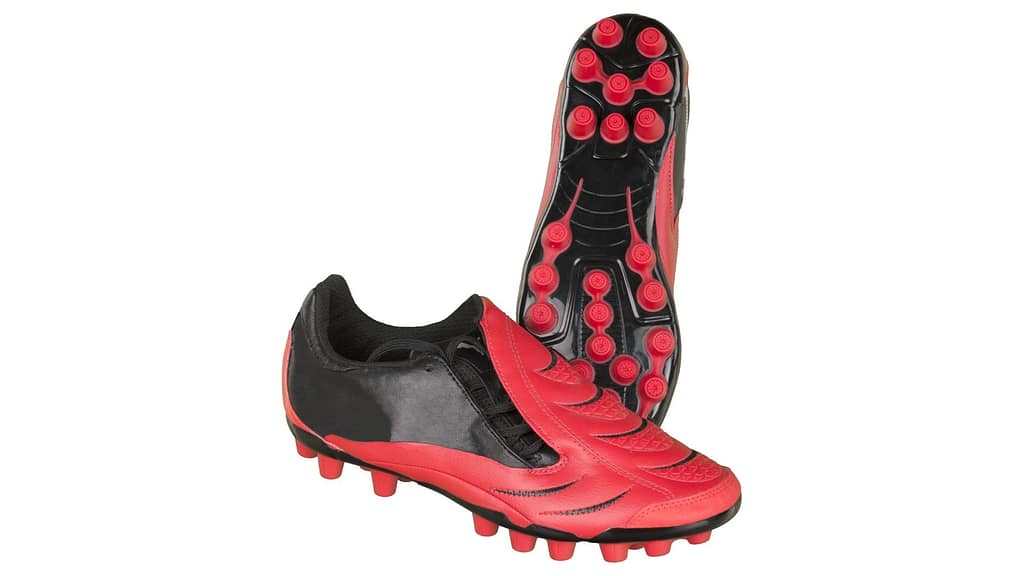
Is it illegal to wear metal cleats in soccer?
Wearing metal cleats in are metal cleats allowed in youth soccer is generally illegal in most leagues for safety reasons. Referees often inspect cleats before games, checking shoes for burrs, sharp edges, or unsafe metal cleats. Any hazards must be removed before a player is allowed to participate. This ensures all participants are protected while playing, reducing accidents caused by exposed metal spikes or toe cleats.
Are metal studs allowed in youth soccer?
Rules regarding metal studs vary between are metal cleats allowed in youth soccer. Some leagues have special regulations, while others forbid metal entirely. On turf fields, where the surface is harder, metal studs are generally not allowed due to safety risks. In the absence of a specific league rule, modern studs made of plastic or rubber are usually permitted and provide adequate traction without compromising player safety.
Does the Premier League allow metal cleats?
At the professional level, like the Premier League, metal cleats are strictly regulated. FIFA, the governing body of international football, and league Regulations often prohibit the use of metal studs to ensure safe play. Referees routinely inspect footwear during matches, and any boots that fail to meet safety standards are not allowed. This ensures players can compete at the highest level with are metal cleats allowed in youth soccer that meet both performance and safety requirements.