

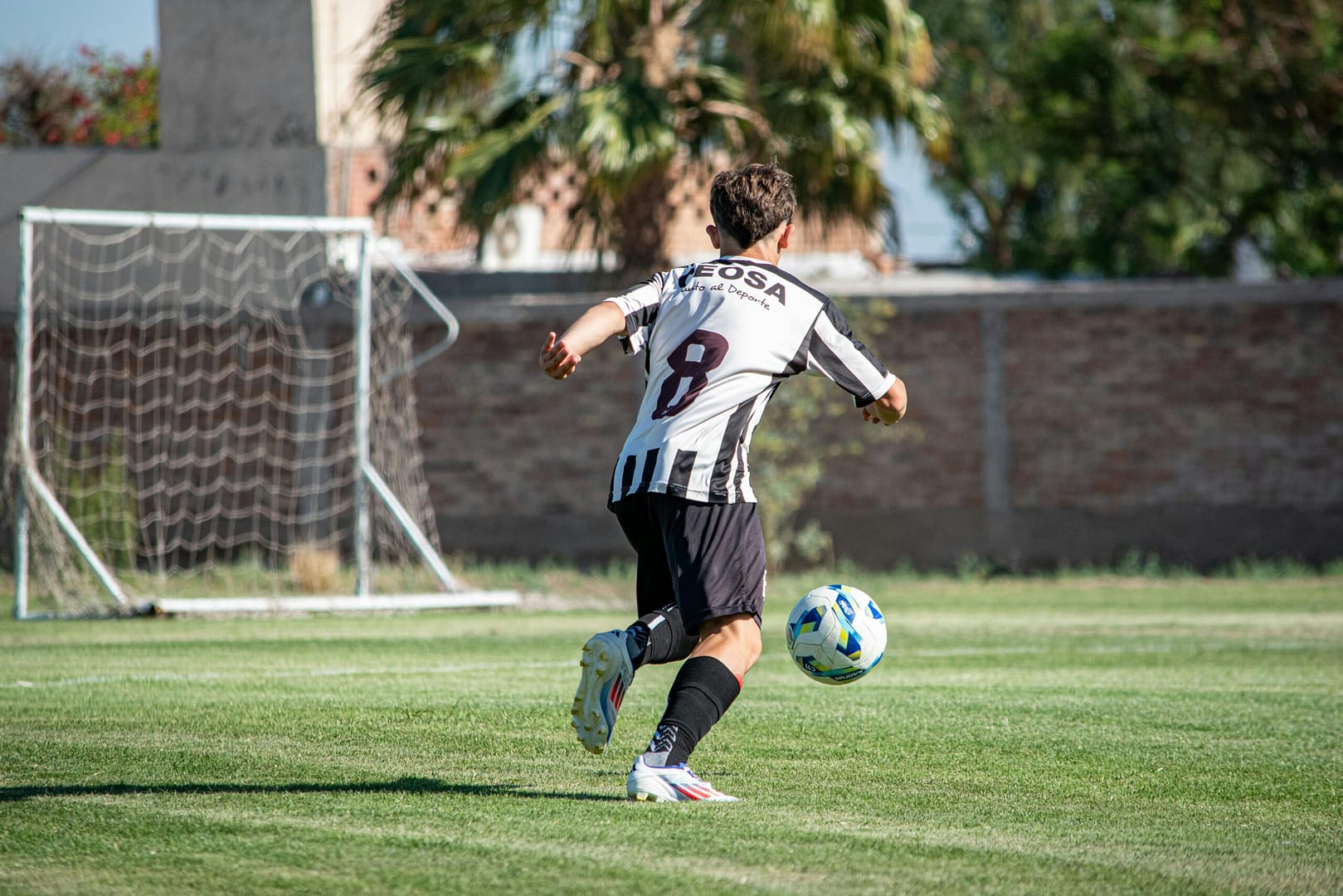
Parents come searching for a daily soccer training routine for kids because they’re tired of chaos. One day the kid kicks a ball for five minutes, the next day nothing happens, and somehow everyone is surprised when progress stalls.
Let’s be clear, random play is not a plan. If your current approach is “we’ll just see how it goes,” that’s not development that’s hoping for luck. Skill growth comes from structure, repetition, and realistic expectations, not motivational quotes on Instagram.
Daily training matters because kids learn soccer the same way they learn language through frequent exposure, not occasional cram sessions. A smart kids soccer training plan daily builds habits, comfort on the ball, and confidence under pressure.
But here’s the reality check most parents avoid: daily training won’t turn your child into a pro, and anyone promising that is lying to you. What it will do is give your child a technical base most kids never develop or learn more about it on goalnyx.
This routine delivers consistency, age-appropriate progress, and clarity. No fluff. No “everyone’s a winner” nonsense. Just a practical youth soccer practice routine that respects how kids actually learn.

Age-Specific Training Framework
If you train a six-year-old like a twelve-year-old, you’re not ambitious, you’re clueless. A proper beginner soccer routine kids must respect brain development, attention span, and coordination. Ages five to seven need movement variety, balance, and playful repetition. This is where soccer practice for 6-8 year olds should live: simple touches, basic movement, and zero tactical lectures. If you’re yelling about positioning at this age, stop.
Ages eight to ten can handle repetition without melting down. This is where a solid training plan for 9-12 year olds starts to take shape. Skills should repeat often, but sessions must stay short and sharp. Burnout happens when adults chase progress instead of mastery.
Ages eleven to thirteen are ready for thinking. Not adult tactics, but simple decision-making. This is when you introduce reading space and timing, slowly building toward advanced youth soccer drills without pretending they’re mini professionals.
Time matters too. A 30-minute soccer session kids is perfect for younger players. Older kids may handle a daily 45-minute soccer practice, but only if intensity is managed. Treating all ages the same is lazy coaching. Do not be lazy.
The Daily 30-Minute Structure
Structure is the difference between progress and wasted effort. A proper daily soccer practice schedule follows a clear flow, not random drills stitched together. Every session should feel familiar but never mindless.
The session starts with a soccer warm-up for kids that prepares the body, not exhausts it. Think movement, coordination, and light rhythm. The best warm-up for kids soccer practice raises heart rate gently and wakes up muscles. Static stretching? Garbage for kids before training. Save it for later.
The main body builds technical skill. This is where ball control drills kids come in. Touches should be frequent, mistakes expected, and corrections minimal. Parents talk too much here. That’s a problem.
Mid-session, rotate a focused skill. Over the week, this forms a progressive skill development plan. Monday dribbling, Tuesday passing, Wednesday first touch, Thursday shooting, Friday duels. This rhythm creates a reliable weekly training plan for youth soccer without confusion.
Finish with calm movement and reflection. A proper warm-up drills main session cooldown approach helps kids mentally log what they learned. Not lectures short thoughts. This structure beats intensity every time.
Essential Drills Breakdown
Dribbling is the foundation, yet most kids barely touch the ball outside games. Effective dribbling drills for kids teach control before speed. Cone work matters, especially soccer cones drills kids, but only if progress is measured.
If the kid never looks up, slow it down. Speed without awareness is useless. These drills also pair well with light agility drills and youth soccer to improve movement efficiency.
Passing is where things fall apart. Proper passing exercises youth soccer start simple. Wall passes teach accuracy and rhythm. Partner work teaches timing. Most kids hit passes too hard because no one explains weight. That’s bad coaching. Fix it early and improve ball control kids across the board.
Shooting should never be about power first. Quality shooting practice for children focuses on technique and target awareness. Mini targets and mini goals practice sharpening accuracy without overloading the body. Knowing when to teach inside foot versus laces is part of real coaching tips for youth soccer, not guesswork.
First touch separates average players from confident ones. Simple first touch drills youth done daily build comfort under pressure. Add basic 1v1 drills for kids later to develop courage and problem-solving. For game realism, finish sessions with small-sided games for children to build instinct and joy.
Defense matters too. Ignoring it creates selfish attackers. Basic positioning builds discipline and helps develop game awareness children without killing creativity.
Equipment You Actually Need
You don’t need a garage full of junk. One properly sized ball is non-negotiable. Size matters more than brand. A few cones, ideally flexible, support movement patterns. A small goal or markers work fine. Training bibs youth soccer help with organization but aren’t magic.
If you want one upgrade, a portable rebounder for kids is useful for passing and first touch. Everything else? Mostly overpriced nonsense. Equipment doesn’t develop players consistent use does. Keep it simple and invest time, not toys. This approach fits perfectly with grassroots soccer training and real youth sports development.
Tracking Progress Without Killing Motivation
Obsessing over goals scored is lazy evaluation. Smart tracking looks at touches, confidence, and decision-making. This is how you build confidence in young players without pressure. Weekly check-ins beat daily criticism. Let kids breathe.
Short video clips help. Yes, even kids benefit when used sparingly. It supports reflection, not judgment. Combined with positive reinforcement in coaching, progress sticks longer.
Pay attention to fatigue. Proper recovery for youth players and hydration tips young athletes matter more than extra drills. Smart load management supports safe training practices for kids and long-term injury prevention youth athletes. Pushing through tiredness doesn’t build toughness, it builds resentment.

Common Parent Mistakes
Overcoaching is the fastest way to ruin learning, and most parents don’t realize they’re doing it. Talking during drills destroys focus and interrupts problem-solving, which is exactly what kids need to develop on their own.
Constant instructions turn training into background noise. Comparing kids is even worse. That instantly kills teamwork skills youth soccer depends on and crushes confidence. Once a child feels judged, effort drops, creativity disappears, and progress slows.
Inconsistency is another silent killer. Skipping days breaks rhythm and turns even the best plan into useless noise. This problem shows up whether you’re doing at-home soccer drills for kids or following a school soccer training routine.
A simple rule works best: pick a time and protect it like an appointment. Consistency builds habits, and habits build skill.
Making training feel like work drains joy fast. Discipline matters, but kids still need energy and excitement. Mixing in fun drills for kids soccer keeps engagement high without sacrificing learning.
Remember, easy daily soccer drills for kids at home will always beat a perfect session done once a week. This approach also supports families who need a quick soccer training routine for busy parents.
Finally, ignoring rest days is just dumb. Growth happens during recovery, not constant grinding. Respect rest, and progress follows.
Frequently Asked Questions
How long should kids practice soccer each day?
20-30 minutes for ages 5-10, up to 45 minutes for ages 11-13. More than that and you’re just grinding down their joints and enthusiasm. Quality over mindless repetition.
Should kids practice soccer every single day?
No. 4-5 days per week with 2 rest days. Their bodies are still developing. Overuse injuries in kids are real and you’ll regret ignoring this when they’re sitting out at age 14 with knee problems.
What’s the best time of day for kids to train?
Whatever time they’ll actually do it consistently. Morning before school for discipline, after homework for energy release. Stop overthinking this – consistency matters more than optimal circadian rhythm nonsense.
Can kids train soccer alone or do they need a partner?
80% of skill development can happen solo. Dribbling, first touch, shooting – all solo work. Passing and defensive skills need a partner or wall. Most kids should be doing MORE solo training, not less.
What if my child gets bored with daily training?
Then your routine is trash. Vary the drills, add challenges, track improvement, or introduce small competitions. If a kid is “bored” dribbling, you’re not making it progressive enough. Boredom = poor program design, not the kid’s fault.
Conclusion
Consistency beats intensity every time. That idea sits at the heart of any effective daily soccer training routine for kids. Too many parents go all-in for a week, burn out, and then disappear. That’s not development, that’s noise.
Real progress comes from showing up regularly, even when the session feels boring or the improvement seems slow. A structured kids soccer training plan daily builds habits first, and skills second. Those habits are what separate kids who steadily improve from kids who rely on occasional bursts of effort.

This approach is not about creating a prodigy or chasing highlight clips. It’s about giving your child a fair, realistic path to growth through a simple youth soccer practice routine that matches their age and attention span.
When training is consistent, kids naturally improve ball control, gain confidence on the ball, and start making better decisions during play. That’s how real development happens.
Most parents won’t follow through, and that’s the uncomfortable truth. But if you start tonight and stick to a clear daily soccer practice schedule, your child will outwork raw talent. Respect age limits, avoid shortcuts, and trust the process. Results don’t come from hype, they come from those who actually show up.