

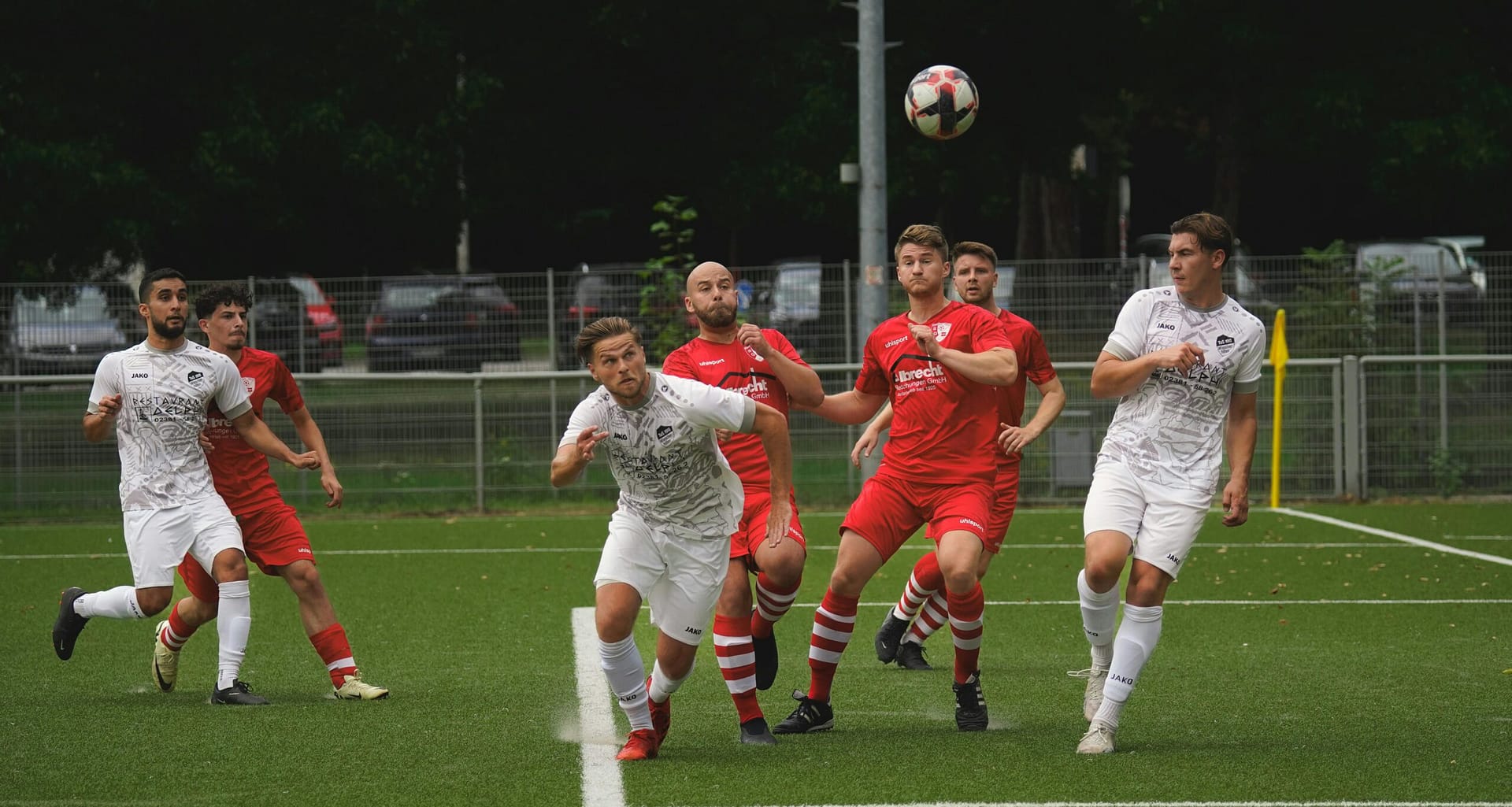
Picture this. Your kid is playing defense. Again. The ball goes past them for the fifth time. The coach is yelling, “STAY IN POSITION!” The kid has no idea what that actually means, so they sprint toward the ball like it personally insulted their family. If that scene feels familiar, good because it means you’re finally ready to confront the truth.
Most youth defenders are lost. Not because they’re lazy. Not because they’re dumb. But because nobody has ever properly explained Youth soccer defender positioning in a way kids can actually use during a game. Coaches scream instructions. Parents shout contradictory nonsense. The result? Chaos disguised as effort defender positioning.
Here’s the hard reality: effort without positioning is trash. Running a lot doesn’t make you a defender. Being in the right place does.
This guide delivers brutally simple Defensive positioning tips for players aged U8 to U14. No fancy tactics. No pro-level jargon. Just rules that stick under pressure. If you follow this, your defender will stop chasing shadows, stop panicking, and finally start controlling space instead of reacting to it.
The Foundation: Understanding Defensive Zones
Before we fix individual mistakes, we need to fix the mental model. Most kids don’t understand the field. They see a ball and nothing else. That’s why Youth soccer defense collapses into a swarm every time the ball moves.
A soccer field is divided into three thirds: defensive, middle, and attacking. Defenders are responsible for protecting space first, not hunting the ball. When kids abandon their zone, gaps appear and goals follow.
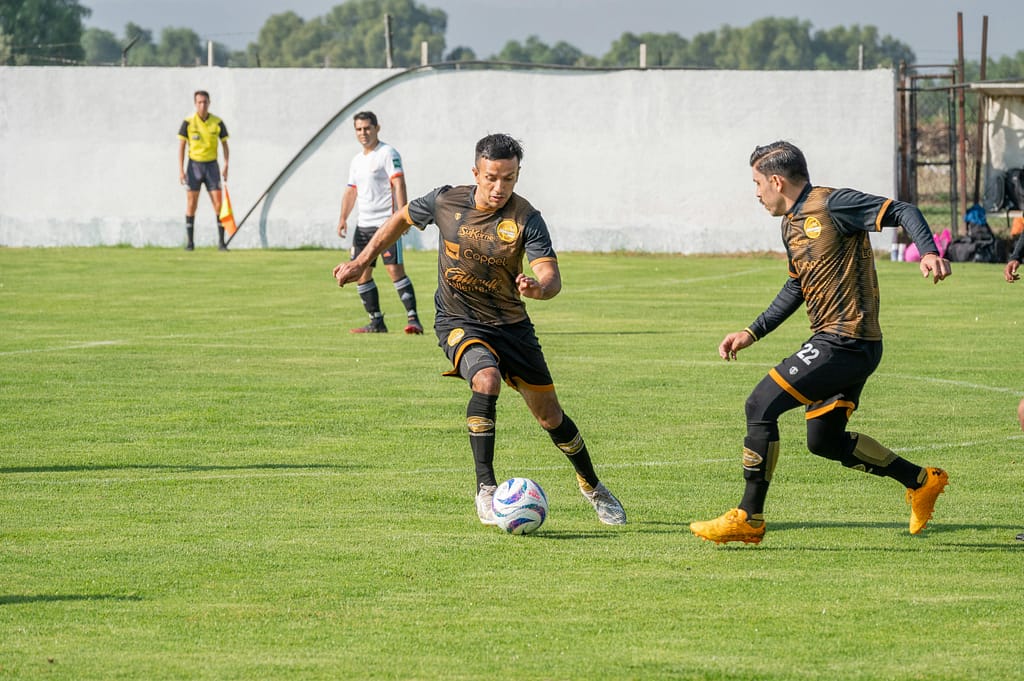
This lack of structure destroys Soccer defensive shape. Instead of moving as a unit, players drift. The fix is what I call “home base.” Every defender has an area they are responsible for. If they leave it, something better be worth it like stopping an immediate shot defender positioning.
Here’s the simplest visual cue that actually works: if you can’t see the ball and your attacker at the same time, you’re wrong. That’s Defensive awareness soccer in one sentence.
This applies regardless of Youth soccer formations. Whether it’s 2-3-1, 3-3, or 4-4-2, the zones still exist. Ignore them and you’re not defending your gambling.
Core Positioning Principles by Age Group
U8–U10: The Basics
At this age, complexity is poison. Keep it simple or you’ll lose them. The golden rule: stay between the attacker and the goal. That’s Goal side positioning, and it solves about 70% of youth defensive problems instantly.
Explain it like this: you’re a bodyguard for the goal. If the attacker is closer to the goal than you are, you’ve failed your job.
Distance matters too. An arm’s length is ideal. Too tight and you get spun. Too loose and you’re useless. This is where 1v1 defending starts to make sense.
Only step when the ball is at the attacker’s feet. Not when it’s rolling. Not when they look nervous. Timing matters more than bravery.
This is also where Defensive stance soccer and Side-on defensive stance come in. Knees bent, body angled, forcing the attacker one way. Flat-footed defenders get embarrassed.
U11–U14: Adding Complexity
Now we layer intelligence onto discipline. This is where Pressure cover balance becomes critical. One defender pressures the ball. The second provides cover. The third balances the space. If all three chase, congratulations you’ve built a highway to your goal.
Players must learn Communication in defense. Not essays. Just short calls: “Ball!” “Cover!” “Drop!” Silence kills teams faster than bad technique.
At this age, defenders should start reading the game defense a few seconds ahead. Where is the next pass going? Who is making a run? This is Anticipation skills defending, and it separates decent players from reliable ones.
Specific Position Breakdown
Center Backs
If you play center back and both of you step to the same attacker, you’ve already failed. This is the most common youth mistake, and it’s unforgivable after age 11.
Proper Center back positioning means staggering one step, one drops. That drop provides insurance against through balls and panic clearances. This is the core Defensive line organization.
Through balls require patience. Drop first. Don’t chase. Chasing opens space behind you and kills Maintaining defensive shape.
For kids playing hybrid roles like Soccer sweeper position or Stopper position soccer, the rule is the same: protect central space first on goalnyx.
If you want specifics, follow these Youth center back tips: stay compact, talk constantly, and never step without cover defender positioning.
Outside Backs
Wide defenders think the sideline is a curse. Wrong. It’s an extra defender. Smart Fullback positioning soccer uses the line to trap attackers.
Force attackers wide. Always. Forcing attackers wide limits shooting angles and buys time for help. This is basic Wing back positioning intelligence.
When beaten, recovery matters. Recovery runs defense should be angled toward goal, not directly at the ball. That cuts off danger, not pride.
When your team attacks, don’t fall asleep. Transition is where goals happen. Learn the discipline of tracking back without ball-watching this is real Youth soccer tactics.
Game Situations: Where to Be When
Set pieces expose bad positioning brutally. On corners, kids don’t need complex schemes. Mix simple Zone defense soccer with light Man marking youth soccer and keep it clear.
On free kicks, wall discipline matters, but so does Penalty box positioning. Someone must protect rebounds. Someone must track runners.
Counter-attacks are about survival. Use Delay and deny defending slow the attacker, don’t dive in. This is the core of First defender responsibilities.
Wide vs central attacks demand different responses. Central danger requires compactness. Wide danger requires patience and angles. This is Defensive compactness in action.
Against faster players, stop racing them. Positioning beats speed. Every time defender positioning .
Common Positioning Mistakes
Let’s be blunt. Ball-watching is lazy. Lose your mark and you deserve the consequence. That’s a failure in Marking in soccer.
Being too tight leads to getting turned. Being too loose invites shots. Balance is everything.
A flat line without communication ruins the Offside trap youth soccer before it starts.
Overcommitting on tackles shows ego, not intelligence. Master Jockeying technique defense before you even think about sliding.
Poor Defensive decision making is usually rushed. Slow down mentally, not physically.
Training Drills for Better Positioning
Good intentions don’t fix bad habits. Reps do.
Shadow defending builds spatial awareness without pressure. Add movement cues and you improve Body shape defending fast.
Grid-based 1v1s teach patience and angles. Combine with Speed of approach defending to stop reckless charges.
Small-sided games force decisions. Youth soccer 4v4 defense exposes positional mistakes instantly. That’s why Small-sided defensive games work.
Use freeze moments. Stop playing. Ask players why they’re standing there. That reflection builds Defensive skills training faster than lectures.
Mix in Soccer defender drills, Defender training drills, Defensive footwork drills, Defensive transition drills, and exercises focused on Closing down space, Second defender positioning, Intercepting passes defense, Clearing the ball technique, Channeling attackers, and safe Tackling technique youth. Do them with purpose or don’t bother.
Frequently Asked Questions
When should kids learn advanced defensive concepts?
Once they can consistently stay goal-side and communicate, usually around U11.
Is tackling the most important defensive skill?
No. Positioning prevents tackles altogether.
Should youth teams use an offside trap?
Rarely. It requires discipline most kids don’t have yet in defender positioning.
How do I stop my child from chasing the ball?
Teach zones and freeze play during training.
How often should defensive drills be trained?
Every session. Defense isn’t optional.
Conclusion
Here’s the truth nobody likes to hear: positioning is learned, not gifted. If your defender struggles, it’s not bad luck, it’s bad teaching. Repetition matters. Experience matters. Winning at U10 does not or coaching for defense principals.
If you want smarter players, prioritize positioning over goals. Build habits, not trophies learn. Do that, and suddenly defending doesn’t look chaotic anymore. It looks controlled. Predictable. Effective. That’s what real defenders do.