

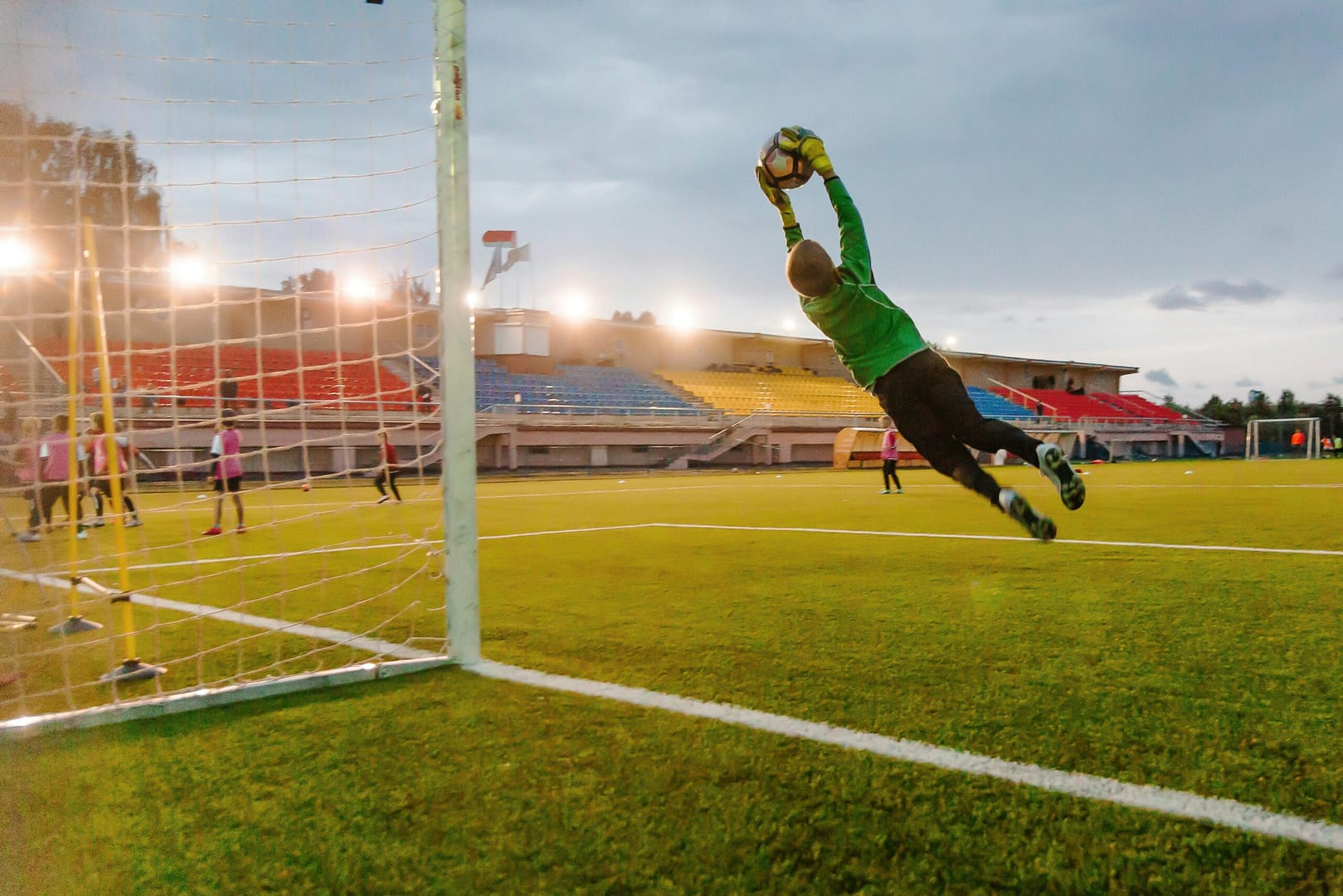
Most parents love to talk. They lecture about safety, repeat “don’t talk to strangers,” and assume the message magically sticks. That approach is lazy. Worse, it’s ineffective. Kids don’t learn survival skills through speeches; they learn through experience of defensive awareness drills.
This is where situational awareness for children becomes non-negotiable. There’s a massive gap between theoretical safety talks and real-world readiness, and that gap is exactly where danger lives. If your child freezes, panics, or doesn’t recognize a threat until it’s too late, no amount of talking will save them or learn more about it on goalnyx.
Defensive awareness isn’t about turning kids into paranoid little adults. It’s about building personal safety skills kids can actually use. For children ages five to twelve, awareness means noticing their surroundings, reading people’s behavior, and understanding when something feels off. It’s not fighting. It’s thinking first. That’s why child safety drills outperform lectures every time. Drills turn ideas into habits, and habits run automatically under stress.
This article breaks down awareness training for children in a practical, no-nonsense way. Parents and coaches will learn how to build self-defense awareness through simple drills that fit into daily life. You’ll learn how to teach kids to recognize danger without fear, how to practice skills instead of preaching, and how to raise children who are calm, confident, and alert instead of clueless and compliant.
Understanding Defensive Awareness in Children
Defensive awareness is not self-defense. That distinction matters. Self-defense awareness is the foundation that comes before any physical response. Without awareness, physical skills are useless. For kids, awareness means recognizing unsafe situations early enough to avoid them. That’s the heart of effective kids safety training.
Children develop awareness differently by age. Ages five to seven need basic pattern recognition and simple rules. Ages eight to ten can start understanding intent and context. Ages eleven to twelve can handle more complex decision-making and early tween self-defense concepts. This is why age-appropriate safety training matters. Expecting adult judgment from a six-year-old is unrealistic and irresponsible.
The awareness spectrum includes environmental scanning, basic body language reading kids can understand, and identifying safe spaces. Most young children awareness is limited because their brains are still developing impulse control and threat assessment. That’s normal. It’s also why drills must be playful and repetitive. Safety exercises for kids work best when they feel like games, not tests.
Play-based learning improves retention because kids associate skills with positive emotions. That’s how protective behaviors children actually remember under stress. If training feels scary or overwhelming, you’re doing it wrong. Awareness should feel empowering, not paralyzing.
Core Drill 1: The “Head on a Swivel” Game
This drill builds environmental scanning kids desperately lack. The objective is simple: teach children to notice what’s around them without becoming anxious. Set it up anywhere: parks, stores, sidewalks. Ask your child to casually look around and then tell you three things they saw. Colors, people, exits, sounds. This is one of the most effective awareness games for kids because it trains observation without pressure.
For younger kids, turn it into a scavenger hunt. For older kids, increase complexity by adding movement or time limits. This drill builds situational awareness for children in a way that feels natural. Progress is measured by speed and accuracy, not perfection. If your child starts noticing patterns instead of random details, you’re winning.
Parents often ruin this drill by turning it into an interrogation. Don’t. Keep it light. Real-world application includes parking lots, school pickup areas, and crowded events. This drill directly supports elementary school safety and even early preschool safety skills when simplified.
When practiced consistently, kids start scanning automatically. That’s the goal. Awareness should happen before the brain even labels danger on defensive awareness drills.
Core Drill 2: Safe Person / Unsafe Person Recognition
Kids need help developing intuition. This drill focuses on safe person identification through controlled role-play. You act out scenarios where behavior not appearance signals safety or danger. This is how threat recognition children actually understand.
The drill works by exaggerating cues: ignoring boundaries, forced friendliness, or pressure. Kids learn stranger awareness without fear. You reinforce trust in your instincts by validating gut reactions. When kids misidentify a situation, correct them calmly. Shame kills learning.
This drill helps with predatory behavior recognition and grooming prevention when done correctly. The goal isn’t paranoia. It’s clear. Kids must understand safe vs unsafe situations without assuming all adults are bad.
Over time, this builds intuition development children rely on. You’re teaching pattern recognition, not suspicion. That’s how effective safety training works.
Core Drill 3: Escape Route Identification
Every space has exits. Kids rarely notice them. This drill builds escape route practice into daily life. Challenge your child to find three ways out whenever you enter a new place. This reinforces an exit strategy mindset without stress.
You can do this in stores, parks, or schools. It pairs well with buddy system drills because kids learn to move with others. Younger kids keep it simple. Older kids add obstacles or timing in defensive awareness drills.
This drill supports child protection strategies by teaching movement instead of freezing. It also strengthens independence and confidence. When kids know how to leave, panic drops.
Make it a game. Reward awareness, not speed. Over time, this becomes automatic. That’s when proven awareness techniques start showing results.
Core Drill 4: Voice and Boundary Drills
Most kids struggle to say no loudly. This drill focuses on verbal defense training and physical boundaries. Start with volume. Practice saying “NO” louder than feels comfortable. This is basic voice projection exercises work.
Then add personal space boundaries. Teach arm’s-length distance and reinforce that stepping back is allowed. Role-play adults who break rules. This is where appropriate adult behavior and consent education kids concepts come in.
Kids must learn the difference between respect and obedience. Boundary setting exercises help prevent boundary violations by teaching assertive communication. This drill builds assertiveness training kids need to protect themselves.
When practiced regularly, kids respond faster and louder. That confidence alone deters many threats on defensive awareness drills.
Progressive Training Schedule
Consistency always beats intensity when building real situational awareness for children. An eight-week rotation of safety drills by age is far more effective than long, exhausting sessions that kids dread. Short practices done two or three times a week strengthen personal safety skills kids actually remember.
These child safety drills should blend naturally into daily life during sports practice, family walks, or errands so awareness training for children feels normal, not forced. This approach supports independence training. Children need to make decisions without freezing under pressure.
Progress should be gradual. Increase difficulty only when kids show comfort and confidence. Watch emotional cues closely, because effective safety training never relies on fear. The goal is empowerment, not overwhelm.
When drills feel achievable, kids build confidence, strengthen young children awareness, and develop habits that last in defensive awareness drills. This method reinforces safety without fear, helping children stay alert, calm, and capable rather than anxious or avoidant.
Common Parental Mistakes That Undermine Training
Talking too much is the biggest failure in kids safety training. Children do not learn situational awareness for children through long explanations; they learn through action. Over-explaining drains attention and weakens awareness training for children, while drills build real habits. Fear-based messaging is even worse. It creates anxiety instead of building confidence. Kids need to respond calmly. Effective child safety drills focus on repetition, play, and realistic practice, not scary stories.
Inconsistent rules are another major problem. When parents change expectations, kids struggle to understand safe vs unsafe situations. Age-appropriate safety training must evolve as children grow, or skills become outdated. The belief that “my kid would never” face danger is delusional defensive awareness drills. Every child needs practical safety skills, self-defense awareness, and threat recognition children can use under stress. Consistent drills, not lectures, are what truly empower children safety and create effective safety training that works in real life.
Measuring Effectiveness and Adaptation
Look for clear behavioral changes as part of situational awareness for children. Are they noticing exits during escape route practice? Are they speaking up faster during verbal defense training? These behaviors show building awareness skills children can actually apply in real life.
The best way to evaluate progress is through safety exercises for kids that feel like play, not tests. If progress slows, adapt your awareness training for children. Some kids respond better to movement-based awareness games for kids, while others need repetition.
Hesitation is a warning sign in threat recognition children should master. Feedback should be calm, conversational, and focused on recognize warning signs, not pressure of defensive awareness drills.
Frequently Asked Questions
How to teach kids situational awareness in everyday life?
Start by making environmental scanning a game during routine activities. Ask children to identify exits, count people wearing red, or spot safe adults like uniformed workers. Practice the “head on a swivel” technique in public places. Consistent awareness drills at home through role-play scenarios help children recognize danger naturally without creating fear or anxiety.
What are the best safety drills for young children under 7?
Age-appropriate safety training for younger kids includes the “Stop-Think-Find Mom” drill, loud “NO” voice projection exercises, and simple safe person identification games. Use fun awareness games like “Red Light Safety” where kids practice freezing and scanning. Keep defensive awareness exercises under 10 minutes, reward observation skills, and avoid complex threat recognition that exceeds their cognitive development.
When to start self-defense training for kids?
Begin awareness training at ages 4-5 through play-based safety exercises, while formal martial arts awareness training works best at 7+. Focus on situational awareness for children and boundary setting first before physical techniques. Teaching kids to recognize danger and avoid threats is more valuable than combat skills. Most experts recommend building awareness skills for 6-12 months before introducing physical self-defense.
How do I teach my child to recognize unsafe adults without creating paranoia?
Use role-play safety scenarios with clear behavioral red flags: forced teaming, ignoring boundaries, or offering unsolicited help. Teach body language reading through observation games rather than fear-based lectures. Focus on trusting your instincts and “tricky people” versus “stranger danger.” Frame predatory behavior recognition as empowerment: “You’re smart enough to notice when something feels wrong and respond appropriately.”
What’s the difference between awareness drills and traditional self-defense classes?
Defensive awareness drills focus on threat recognition, environmental scanning, and escape strategies before physical confrontation occurs. Traditional self-defense classes emphasize striking, blocking, and grappling techniques. Awareness training for children teaches avoidance 90% of dangerous situations can be prevented through situational awareness. Combine both: martial arts for kids builds confidence while practical safety skills ensure they never need physical techniques.
Conclusion
Speeches don’t protect kids; skills do. Situational awareness for children grows through repetition, not lectures. When parents use child safety drills and awareness training for children, kids develop real personal safety skills kids can rely on under pressure, defensive awareness drills.
Simple safety exercises for kids, like environmental scanning kids, escape route practice, and boundary setting exercises, build confidence instead of fear. Over time, these drills sharpen threat recognition children need to identify safe vs unsafe situations and recognize warning signs early for defensive awareness drills.
This is how you empower children safety the right way through practical safety skills, effective safety training, and safety without fear that creates calm, capable, and confident children.