

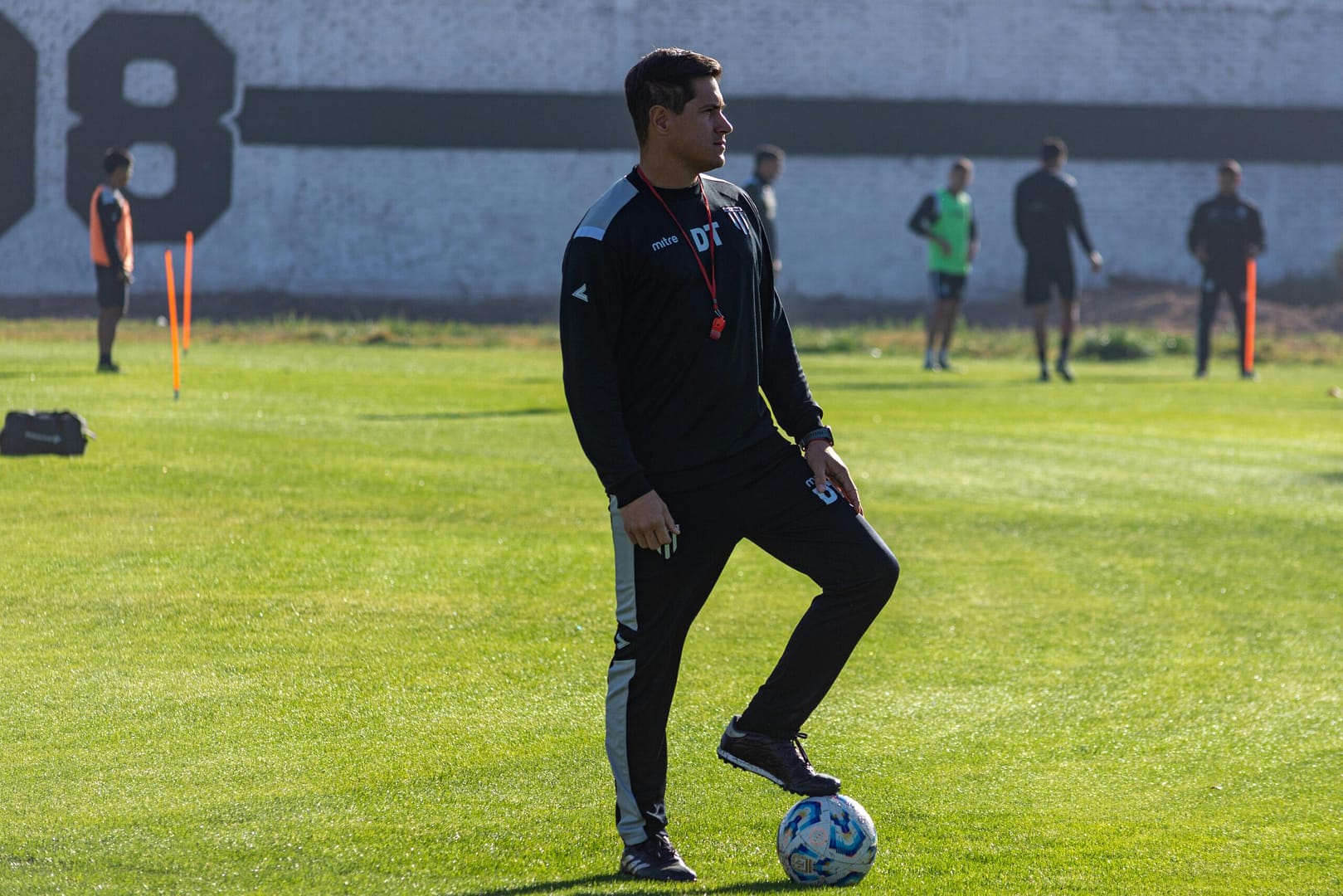
Listen if you treat warm-ups like a polite preface, your season will read like a sorry footnote. Most amateur players limp into practice half-asleep, jog a minute, stretch once, and wonder why they pull hamstrings or get subbed off breathless. That attitude is garbage. Research and field data are blunt proper warm-ups of soccer player to reduce soft-tissue injuries and improve sprint speed, change-of-direction, and passing accuracy and learn more about it on goalnyx.
Teams that enforce structured pre-practice routines see fewer injuries over a season and higher consistency in match output. The difference between elite athletes and mediocre players isn’t talent alone; it’s discipline in preparation. Elite players use warm-ups as a performance lever: they prime their bodies and nervous systems so every sprint, cross, and tackle lands with intent rather than guesswork.
A correct warm-up is not stretching for comfort, it’s targeted athletic performance preparation that aligns nerves, muscles, and energy systems for what you’re about to demand. Skip it and you accept higher injury risk and lower output. Do it poorly and you waste precious practice time.
This article strips the fluff and gives you the physiology, the drills, position-specific variants, the mistakes to obliterate, and advanced strategies so your warm-up is not optional fluff but a weapon. Be ruthless in execution; half-hearted compliance produces half-hearted results.
Physiological Foundations of Warm-Ups
A warm-up’s job is simple: move a cold, sluggish system toward physiological readiness so force, speed, and coordination can be expressed safely. At muscle level, gradual contraction through dynamic work increases sarcomere readiness and improves enzyme activity needed for fast energy turnover. That early ramp-up yields real muscle temperature elevation, which directly enhances power output and reduces strain susceptibility. Warm muscles are not invincible, but they tolerate eccentric loads far better than frozen ones.

Neurologically, proper sequences drive nervous system priming and neuromuscular coordination. Fast-twitch fibers are coaxed from dormancy; motor unit recruitment patterns become sharper. This means cleaner strikes, quicker tackles, and fewer mis-timed lunges. Synaptic responsiveness improves with movement that mimics the sport’s demands; reflex arcs and proprioceptive feedback tune up, reducing reaction latency.
Cardiovascularly, gradual cardiovascular activation increases blood flow and oxygen delivery to working tissues. That transition reduces the sudden demand shock when you sprint for the first time; it also helps clear metabolic byproducts during repeated efforts. Efficient warm-ups progressively raise heart rate into a zone that supports match-intensity work without exhausting glycogen stores.
Finally, connective tissue and joints gain lubricity with dynamic movement. Tendons and fascia respond to temperature and movement by becoming more compliant and responsive, supporting movement efficiency across the kinetic chain. If you want consistent performance and fewer tissue breakdowns, the warm-up must link metabolic, muscular, and neural systems into a single functioning unit.
Essential Warm-Up Drill Categories
Dynamic mobility work is the backbone of a worthwhile routine. Start with dynamic stretching that blends movement and tension leg swings, walking lunges with rotation, and controlled skips.
These are not casual stretches; they are dynamic body mechanics that shift tissues from resting stiffness into active elasticity. Combine them with soccer mobility training elements that prioritize hips, ankles, and thoracic movement so players reach true athletic range of motion without compromising stability. Mobility without control is pointless; your drills must coerce the right motor patterns.
Joint-focused sequences matter. Joint mobility sequences should include circular ankle rotations, hip openers with internal-external rotation, and spine mobility drills. These protect lower-limb kinematics and support precise footwork.
Ankle rotations and hip openers prevent the sloppy foot placement that causes bad touches and twisted knees. Thoracic and shoulder activation preserve passing angles and aerial control. These moves are the scaffolding for more demanding patterns of soccer.
You must also build heart rate smartly. Use cardiovascular activation through light jogging patterns that include accelerations, decelerations, and shuttle runs. Keep the initial efforts submaximal but purposeful; include lateral movement drills and short rhythm changes so the heart and lungs are prepared for intermittent intensity.
Implement heart rate elevation protocols that lift players into a moderate zone without draining fast-twitch reserves. Done properly, metabolic systems engage without fatiguing the neuromuscular system prematurely.
Neuromuscular activation is non-negotiable. Incorporate coordination exercises and proprioceptive training single-leg balances with ball touches, quick-feet ladder work, and partner reaction games. These drills sharpen foot placement and improve spatial awareness.
Reaction-time boosters like coach-triggered direction changes and visual cue sprints build reactive agility preparation so players stop guessing and start responding. Balance challenge drills reduce ankle sprain risk while enhancing first-step quickness.
Combine these categories into circuits: mobility to prepare joints and range, cardiovascular to raise system output, then neuromuscular work to fine-tune coordination and reactions. Throughout, emphasize muscular activation in the prime movers glutes, hamstrings, calves, and core with controlled resisted movements or banded walks. This creates a cascading kinetic chain activation so energy flows from ground contact through the hips to the torso and limbs, producing efficient power.
Design every drill to reflect sport-specific movement patterns. A warm-up that resembles real match demands creates immediate transfer; small-sided pre-practice games with targeted constraints (e.g., one-touch play) integrate biomechanical warm-up principles and promote movement efficiency under cognitive load. Don’t accept passive, disconnected drills; each exercise must feed the game.
Position-Specific Warm-Up Variations
Goalkeepers need a different emphasis. Beyond general mobility, goalkeepers require shoulder and hip readiness for dives and throws; include shoulder activation with banded external rotations, hip hinge drills for explosive push-offs, and reaction drills with varying ball speeds to prime athletic preparedness. Add plyometric step-ups and controlled dive progressions to build explosive movement preparation while preserving shoulder integrity.

Defenders must prioritize lateral mobility and ground-contact stiffness. Build sequences that emphasize hip stability and functional mobility training for changing direction under load. Use resisted lateral shuffles, backward-forward transitions, and tackling posture drills to create performance optimization in close-quarters defense. Also practice heading mechanics with neck engagement to protect cervical load.
Midfielders are the engine they need aerobic base and quick repeated-intensity readiness. Blend longer shuttle variations into warm-ups with ball-carry drills that mimic distribution under pressure. Incorporate metabolic activation that supports repeated sprints and directional changes, and drills that promote athletic coordination drills for intricate passing under fatigue.
Strikers hinge on first-step explosiveness and finishing mechanics. Prioritize short linear accelerations, quick-change-of-direction reps, and striking patterns that rehearse shooting under match-like fatigue. Add resisted sprints and reactive finishing where visual or audible cues trigger a full-speed shot to simulate real-time neuromuscular activation at game intensity.
Across positions, tailor volume: goalkeepers and defenders need more joint and upper-body prep; midfielders require more metabolic priming; strikers demand higher explosive activation. That specificity reduces wasted time and maximizes athletic readiness protocols for each role.
Common Warm-Up Mistakes to Obliterate
Amateurs commit the same inexcusable errors. First, static stretching remains a sacred cow that needs slaughtering before explosive sessions. Holding long, passive stretches reduces immediate power output and blunts neuromuscular activation. If you want to kick faster or jump higher, save static flexibility for cool-downs and employ athletic flexibility drills that are dynamic during warm-up.
Second, intensity mismanagement kills the point. Either players barely move or they go too hard and drain fast-twitch capacity. Warm-ups must progressively increase stimuli, a gradual ramp into sport-intensity, not a sprint from zero to full. Insufficient intensity fails to produce muscle temperature elevation and leaves players vulnerable; excessive intensity wastes energy in soccer.
Third, lack of sport-specificity is lazy. Doing random drills unrelated to soccer creates no transferable benefit. Warm-ups must replicate sport-specific movement patterns: cutting, acceleration, deceleration, and ball contact. Anything else is a time sink.
Fourth, ignoring individual conditions is criminal negligence. Players arrive with aches, prior injuries, or mobility gaps. A one-size-fits-all routine ignores these realities. Implement basic screening and adapt work with targeted activation or load reduction. Failure to do so increases injury risk despite apparent compliance with warm-up protocols.
Finally, doing drills without intent rote repetition produces minimal neural priming. Every movement should have a technical or physiological purpose: recruit glutes, prime ankles, or raise heart rate into a target zone. If you can’t state the goal for each drill, scrap it.
Advanced Warm-Up Strategies
If you want to be surgical, integrate technology and data-driven load management. Wearable trackers provide heart rate and acceleration metrics to tailor pre-practice conditioning volume in soccer. Use inertial sensors to monitor jump heights and asymmetries during activation drills; this enables fine-tuned performance tracking and flags players who need modified workloads.
Individualized warm-up protocols remove guesswork. Build player-specific sequences based on history, position, and moment-in-season. Someone returning from hamstring strain receives greater emphasis on eccentric glute and hamstring loading; a veteran with ankle instability needs more proprioceptive training and functional mobility training. This personalized approach improves compliance and mitigates risk.
Recovery optimization is part of advanced prep. Brief breathing routines and mental priming increase focus and calm nervous-system noise. Cold-to-warm contrast is useful post-travel, but avoids extremes immediately before high-explosive work. Nutrition and hydration protocols should be simple and actionable: carbohydrates for glycogen, electrolytes for sustained intensity, and a 15–30 minute digestion window before maximal efforts.
Finally, periodize your warm-up across the week. Heavy training days reduce explosive rep counts in warm-ups; match days emphasize activation with low fatigue cost. Use biomechanical warm-up progressions that scale intensity while preserving movement efficiency and kinetic chain activation. Be brutal in removing inefficient drills and replacing them with targeted, monitored work.
Conclusion
Warm-ups are not ceremonial; they are competitive edges. The players and teams that treat pre-practice routines with intellectual rigor and relentless execution gain reliability, reduce injury exposure, and elevate consistency of soccer player.

Build your warm-up around physiological principles: raise muscle temperature, prime the nervous system, activate metabolic pathways, and rehearse soccer-specific patterns for soccer. Layer in joint mobility sequences, cardiovascular activation, and neuromuscular work that directly reflects match demands.
Being mentally sharp at kickoff depends on small pre-practice choices: quality of movement, intentionality, and adherence to athletic preparedness systems. Over months and seasons, those choices compound into fewer missed games, cleaner execution, and measurable performance gains. Cut the fluff, personalize the drills, measure the outputs, and demand execution. If your warm-up is weak, call it trash and fix it because nobody remembers excuses when the whistle blows.