
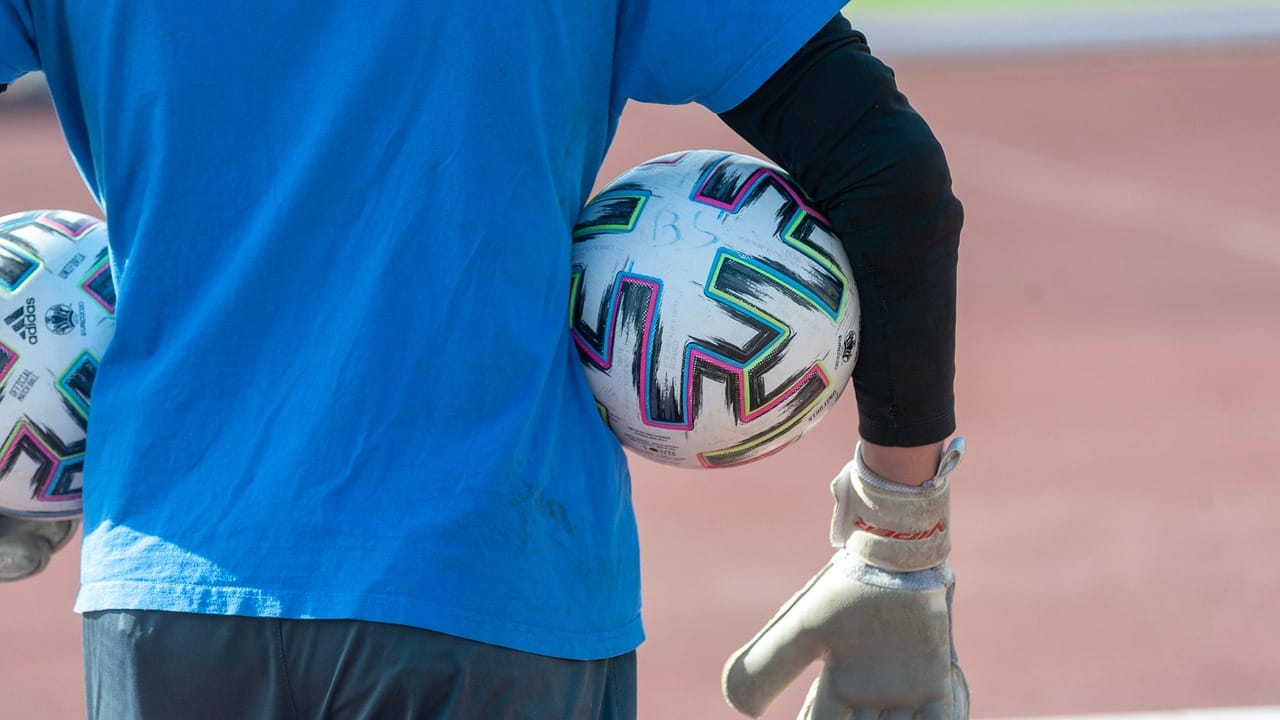
In modern football, a goalkeeper’s success is often decided in fractions of a second. Shots come faster, deflections are sharper, and decision-making time is brutally short. This is why goalkeeper reflex training is no longer optional; it is essential. Reflexes determine whether a keeper gets a fingertip to the ball or watches it hit the net.
Reflex training directly impacts match performance by improving reaction speed, hand-eye coordination, body positioning, and mental sharpness under pressure. Strong reflexes allow goalkeepers to respond instinctively rather than think, which is crucial during rebounds, close-range shots, and chaotic goalmouth situations.
This article breaks down reflex training for goalkeepers in a practical, structured way. You will learn the science behind reflexes, the equipment that actually matters, and ten proven exercises used by serious keepers and coaches. You’ll also discover how to structure weekly sessions, track progress, and avoid common mistakes that slow development.
If you want to understand how to train goalkeeper reflexes properly without wasting time this guide gives you everything you need.
Understanding Goalkeeper Reflexes
Reflexes and reaction time are related but not identical. A reflex is an automatic physical response to a stimulus, while reaction time includes the mental process of recognizing and deciding how to respond. Elite goalkeepers rely on both, but reflexes are what save shots when there is no time to think.
From a science perspective, quick reactions depend on neural pathways between the eyes, brain, and muscles. The faster these signals travel, the quicker the response. Repeated training strengthens these pathways, which is why goalkeeper training reflex work leads to measurable improvement.
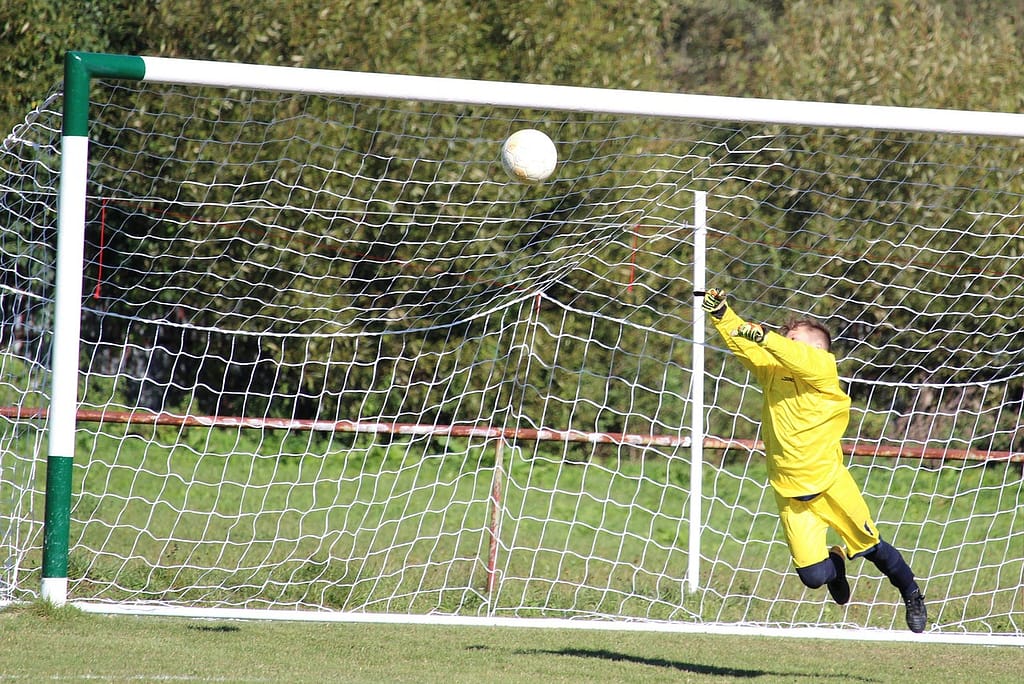
The good news is that reflexes are not fixed. They can be trained through repetition, unpredictability, and progressive overload. When drills force the brain to process visual or auditory cues rapidly, the nervous system adapts.
This is the foundation of reflex goalkeeper training. The goal is not just faster hands, but faster perception and decision-making. With consistent practice, keepers improve anticipation, reduce hesitation, and react explosively even when off-balance or unsighted.
Understanding this concept changes how you approach training. Reflex drills are not warm-ups; they are skill-building tools that must be trained with intent and intensity.
Essential Equipment for Reflex Training
Effective reflex work does not require expensive gear, but the right tools increase training quality. Reaction balls are popular because their unpredictable bounce forces instant adjustments. Tennis balls and small training balls improve hand speed and precision, especially during close-range drills.
Advanced setups include light-based reflex systems that provide visual stimuli, ideal for professional environments. These systems are part of modern goalkeeper reflex training equipment and are especially useful for visual processing speed.
For keepers training alone, walls, cones, and uneven surfaces act as excellent alternatives. Some coaches also use specialized products like a select reflex goalkeeper training ball, which changes rebound angles unexpectedly.
Standard footballs are still useful, especially during soccer ball goalkeeper reflex training sessions that simulate real-game shots. High-quality options such as the uhlsport reflex goalkeeper training football ball are often used in elite academies, but creativity matters more than brand.
The takeaway: equipment supports training but smart drill design builds reflexes.
Top 10 Goalkeeper Reflex Training Exercises
Exercise 1: Reaction Ball Drills
How to perform:
Stand 3–5 meters from a coach or wall. The reaction ball is dropped or thrown without warning. React and catch or parry as quickly as possible.
Benefits:
Improves hand speed, unpredictability handling, and coordination.
Progression tips:
Add movement before the drop or perform after a dive.
Exercise 2: Close-Range Rapid Fire Shots
Setup and execution:
A coach shoots multiple balls from 5–7 meters with minimal recovery time.
Variations:
Use different shot heights and deflections.
Common mistakes:
Poor stance and late hand positioning.
This drill is a staple in football goalkeeper training drills.
Exercise 3: Tennis Ball Wall Drills
Step-by-step instructions:
Throw a tennis ball against a wall and catch it after one bounce.
Why tennis balls work:
Smaller size demands faster visual processing.
Advanced variations:
Use two balls alternately.
Common in soccer goalkeeper training sessions.
Exercise 4: Diving Reflex Drills
Proper technique:
Start kneeling, react to a signal, and dive explosively.
Safety considerations:
Always warm up hips and shoulders.
Building explosive power:
Focus on first movement speed.
Used frequently in football goalkeeper training environments.
Exercise 5: Hand-Eye Coordination Exercises
Juggling drills:
Keep the ball airborne using hands only.
Catch and release variations:
Quick toss and catch sequences.
Partner-based exercises:
Random throws from short distances.
Essential in goalkeeper training drills.
Exercise 6: Visual Stimulus Training
Light-based reflex systems:
React to lights indicating safe direction.
Color recognition drills:
Catch only balls of a called color.
Peripheral vision exercises:
React to side stimuli while facing forward.
Common in soccer goalkeeper training drills.
Exercise 7: Multi-Ball Exercises
Two-ball rapid saves:
Alternate catches without pause.
Unpredictable ball training:
Different ball sizes and weights.
Building mental processing speed:
Force instant decisions.
Core to goalkeeping training philosophy.
Exercise 8: Agility Ladder + Ball Work
Combining footwork with reflexes:
Ladder steps followed by immediate save.
Drill progressions:
Increase ladder complexity.
Intensity variations:
Time-based rounds.
Seen in elite training drills for goalkeepers.
Exercise 9: Blind Reflex Training
Sound-based reaction drills:
React to verbal or clap cues.
Trust and instinct development:
Reduces overthinking.
When to incorporate:
After mastering visual drills.
Often used with goalkeeper training gloves for realism.
Exercise 10: Game-Situation Reflexes
Small-sided games:
Reduced space increases reaction demand.
1v1 scenarios:
Sharpens close-range decision-making.
High-pressure simulation:
Crowded penalty-area drills.
Vital for soccer training goalkeeper development also learn more on goalnyx.
Creating a Weekly Reflex Training Schedule
Reflex training should be performed 2–3 times per week to avoid neural fatigue. Balance it with strength, positioning, and distribution work from your overall goalkeeper training plan or check FIFA goalkeeper development guidelines.
A sample week:
Day 1: Reaction ball + tennis ball drills
Day 3: Rapid fire shots + agility ladder
Day 5: Game-situation reflex work
Avoid stacking reflex sessions on consecutive days. Recovery is essential for adaptation. Ice baths, sleep, and light mobility work help reset the nervous system.
Many keepers search for goalkeeper training near me or soccer goalkeeper training near me, but progress depends more on structure than location. Even solo sessions can be effective when well planned.
This schedule supports anyone training to be a goalkeeper, from youth to semi-professional level.
Measuring Progress
Track improvement through reaction-time tests, video analysis, and save percentages during training. Recording sessions helps identify delayed responses or technical flaws.
Set realistic goals and compare results monthly. Improvement in reflex speed often appears before visible match performance gains.
Use benchmarks common in professional goalkeeper futsal training reflex programs, where reaction time is critical due to close-range play.
Consistency beats intensity. Small gains compound.
Common Mistakes to Avoid
Overtraining reflexes leads to slower reactions. Poor technique reduces transfer to matches. Neglecting recovery stalls progress. Inconsistent training creates false plateaus.
Avoid relying only on products like goalkeeper training equipment amazon or focusing too much on training goalkeeper gloves instead of skill quality.
Smart training beats flashy tools.
Advanced Tips from Professional Goalkeepers
Top keepers activate reflexes pre-match with short, intense drills. Mental visualization primes reactions. Elite professionals emphasize calmness and panic kills reflex speed.
These insights separate average keepers from elite reflex goalkeeper training performers.
Frequently Asked Questions
How often should reflex training be done?
Reflex training should be done 2–3 times per week, not daily. This type of training heavily loads the nervous system, and overdoing it will actually slow reactions instead of improving them. Short, high-quality sessions (20–30 minutes) are far more effective than long, exhausting ones. Reflex work should complement technical, tactical, and physical goalkeeper sessions not replace them.
Can reflexes really improve after age 18?
Yes absolutely. This is a common myth. While younger athletes may adapt slightly faster, reflexes are controlled by neural pathways that remain trainable well into adulthood. Many professional goalkeepers improve their reaction speed in their 20s and even early 30s. The key factor is training quality and consistency, not age.
Are reaction balls better than footballs?
Reaction balls are better for pure reflex development because their unpredictable bounce forces instant adjustments. However, they should not replace footballs entirely. Footballs are essential for realism and game transfer. The smartest approach is to use both: reaction balls to sharpen reflex speed and footballs to apply those reflexes in match-like situations.
Do futsal drills help outdoor goalkeepers?
Yes, futsal drills are extremely effective for outdoor goalkeepers. Futsal emphasizes close-range shots, quick rebounds, and rapid decision-making all critical for reflex development. Many elite goalkeepers use futsal-style drills in training because they compress time and space, forcing faster reactions that translate well to 11-a-side football.
How long before results appear?
Most goalkeepers notice initial improvements within 3–4 weeks of consistent training. Faster reactions in drills usually appear first, followed by better performance in match situations after 6–8 weeks. Long-term, meaningful improvement comes from months of structured practice. Reflex training is not a quick hack, it’s a skill that compounds over time.
Conclusion
Reflexes define modern goalkeeping. The exercises in this guide provide a complete system for improving speed, coordination, and confidence under pressure. When practiced consistently, they translate directly to match-winning saves.
Commit to smart progression, respect recovery, and train with intent. Whether you train alone or with a coach, reflex development is non-negotiable.
Start today. Your next save depends on it.