

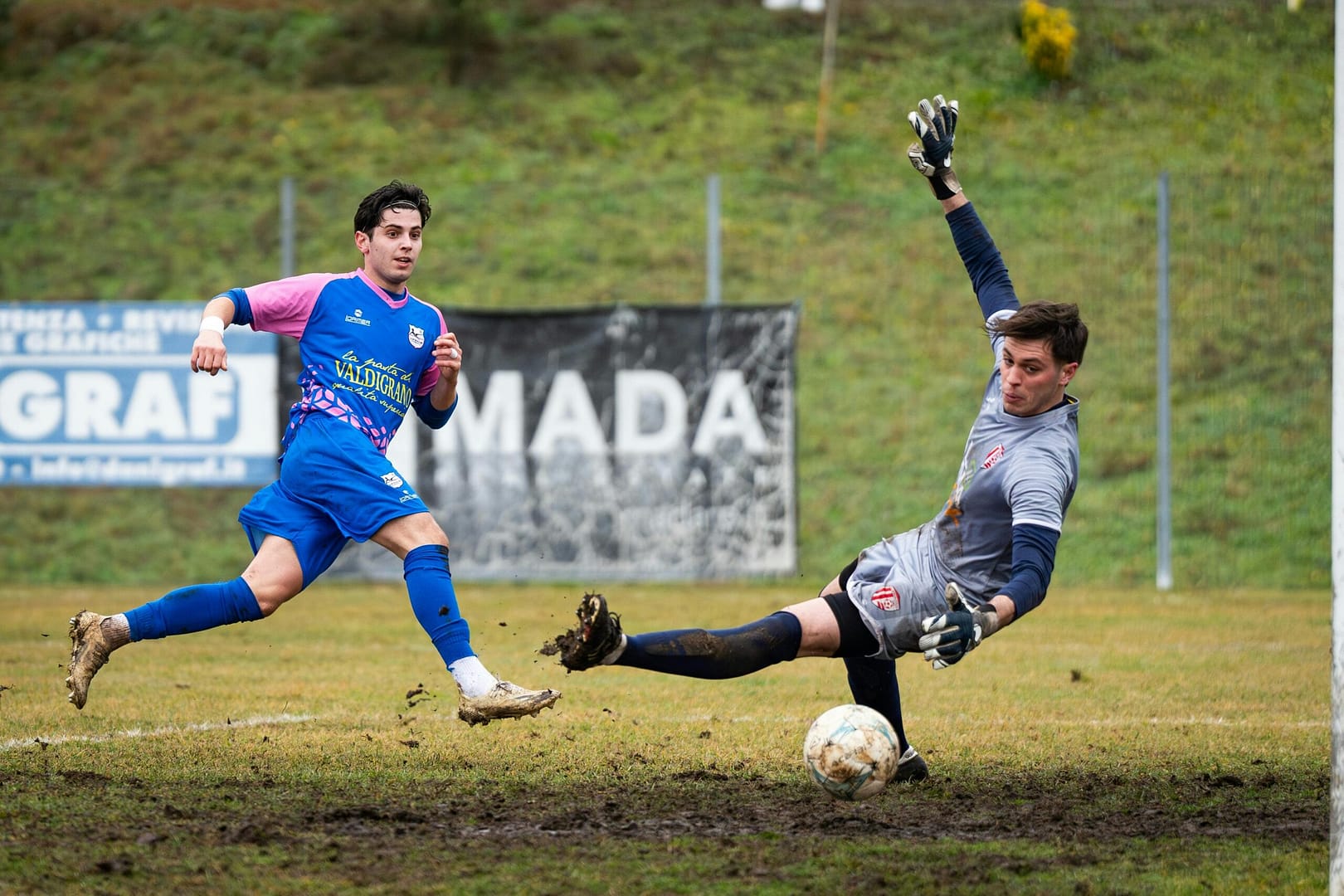
how long is soccer season? From my experience working with college soccer teams and following the American college leagues, I’ve noticed how the rhythm of the college soccer season reflects both athletic and academic life. It usually kicks off in August with a 2 week preseason training, leading into the Fall semester where men’s and women’s squads compete across NCAA, NAIA, and NJCAA leagues. These universities are grouped into respective leagues and conferences based on geographical area—for instance, the Sun-Conference, an NAIA conference, brings together Florida college teams along with some from Georgia and Alabama, states bordering Florida. As regular season games wrap up around November, the best teams advance to play-offs by mid-November, and the winner earns a place at the Nationals, where winners from other conferences face each other between the end of November and beginning of December.
Every year, the National Finals move from city to city—I once attended NCAA D1 matches at Oregon State University, while NCAA D2 played in Colorado Springs, NAIA hosted in Columbia Georgia, and NJCAA wrapped up at Tyler, Texas. After the Nationals, players head back to their universities around the second week of December to take Finals—the final exams marking the end of the college semester. Once done, student-athletes enjoy a Christmas break before returning to the United States campuses by mid-January for the second semester, better known as the spring semester, which lasts until early May. During this period, soccer players focus on physical preparation rather than competition, since it’s the off-season with no championship.
For many, this opportunity goes beyond sport—it’s a time to focus on college classes, explore new places, meet teammates from different countries and different cultures, and grow temperamentally. This balance between academics and athletics helps players succeed on the field, in college, and eventually in the working world. And for those chasing an athletic scholarship at an American college, creating a free account for an evaluation of their chances can open doors to this rewarding path.
how long is soccer season? MLS, Youth, Europe start and end date explained
how long is soccer season?
From my own time following the soccer season in different countries, I’ve come to appreciate how every region plays by its own calendar. In the UK and central Europe, the rhythm of football fits the winter season, spreading across the fall, winter, and spring months. The elite European leagues like the Premier League, Serie A, and La Liga all begin in late summer and wrap up by the end of May, creating a natural flow that matches the academic year and traditional sports calendar. In contrast, Scandinavian countries, known for their severe weather, switch things up with a summer season—the Swedish Allsvenskan runs from March to November, making sure games happen in milder conditions. What fascinates me most is how the soccer season never ends; it moves in harmony between regions.
Youth soccer competition dates
From my experience watching youth leagues grow in passion and organization, I’ve noticed how schools and local organizations shape their own rhythm of play. The Fall season usually begins in September and runs for about two months, often ending by November. During this time, teams fill their calendars with fixtures almost every weekend, peaking in October when competitions at the district level are most active. Once Winter sets in, most youth programs pause, giving players time to rest before the Spring session starts the next year around February. This cycle gives young players a clear balance between school, training, and matches, helping them stay sharp throughout the changing seasons.
When does MLS start?
The MLS, the top-flight professional soccer league in the US and Canada, kicks off at the end of Winter, marking the start of a long and thrilling regular season that runs from February to October. Teams are divided into the Eastern Conference and Western Conference, and their positions on the table determine qualification for both cup competitions and the playoffs. Alongside league play, many clubs also compete in the CONCACAF Champions Cup around June, and the US Open Cup, which has roots dating back to the previous season. Between mid-July and mid-August, the Leagues Cup tournament brings together MLS teams and Liga MX teams, while the league pauses briefly for an MLS break featuring the MLS All-Stars, where selected players face an international side or another league in an annual encounter. Once the playoffs begin in October, the excitement builds until the MLS Cup in December, wrapping up a nine months journey of top-tier soccer across North America.
When does Premier League start?
The Premier League, often regarded as the most competitive European soccer league, begins its campaign in August and runs for a nine-month period, blending skill, intensity, and global attention. As the English top-flight, it features 20 clubs battling for dominance while balancing cup competitions and FIFA international breaks throughout the year. At the end of each season, the lowest three relegated teams drop to the Championship, while promoted teams from that division join the main league for the next campaign. Like any European league, the Premier League’s structure ensures consistency, competition, and a dramatic finish that keeps fans invested from opening day to the final whistle in May.
Other European leagues’ start dates
Across Europe’s Big Five — La Liga in Spain, Serie A in Italy, Ligue 1 in France, Bundesliga in Germany, and the Premier League in England — the rhythm of soccer leagues follows a familiar pattern. Most seasons start in August and run through spring or summer of the following year, with short winter breaks in some European leagues. Unlike MLS, which includes playoffs, these leagues crown their champions based on final league standings. Teams fight for continental qualifiers like the UEFA Champions League, while others face relegation or battle for promotion through systems such as the Premier League and EFL Championship, where each promotion slot holds immense value for clubs chasing top-flight glory.
When does UEFA Champions League start?
The UEFA Champions League (UCL) stands as the crown jewel of European club competitions, overseen by the governing body of soccer on the continent, UEFA. Alongside it are the UEFA Europa League and UEFA Conference League, which together create a tiered structure of continental play. The Champions League, known for its popularity and star names, offers clubs the ultimate prize in European football. The schedule begins with qualifying rounds in June, leading into the group stage in August, where teams from domestic top-tier leagues compete fiercely. The journey continues through the league stage to the final, held around May-end or early June of the following year, making it one of the longest and most celebrated sporting events in the world.
When is off season in soccer?
Every soccer league eventually reaches its off-season period, usually lasting around two months between the league that starts and ends each year. During this time, clubs regroup for pre-season training, fine-tuning tactics and fitness before competition resumes. However, the break is rarely quiet for players involved in international competitions like the World Cup, European Championship, Copa America, or even the soccer events at the Olympics. These tournaments often overlap with domestic rest periods, keeping participants in constant action. The calendar also includes age-group tournaments and the Women’s World Cup, ensuring the global game never truly stops — there’s always a ball rolling somewhere in the world.
How Long Is A Soccer Season Length of Soccer Season for Amateur Leagues
In amateur leagues, the soccer season can look quite different depending on the area and type of league. Most run for about nine weeks to ten weeks, with a regular season lasting 4–6 weeks followed by playoffs of about 3–4 weeks. Some leagues even schedule bye weeks to manage the overall length of play and allow teams to recover. The fall season usually kicks off in late August or early September, wrapping up around November or December, while the spring season typically runs from February to April or May. Depending on holidays, special events, and tournaments, games may take place over multiple days or a single day per week. During the summer months, some teams join friendly matches or short tournaments before taking a brief off-season for rest and recovery time. These shorter seasons keep players engaged and competitive while balancing league play and personal schedules, making amateur leagues a cornerstone of community competition.
Factors That Influence The Length Of A Soccer Season
The soccer season can vary greatly depending on several factors, such as the type of league, the number of games, and even the weather. Different leagues around the world have their own schedules—some last as long as nine months, while others wrap up in just four months. In professional leagues, teams often play 30–60 matches per season because of increased games and cup commitments. In contrast, amateur leagues and youth leagues tend to have shorter seasons of about four months or five months, with fewer than 20 matches overall. The time between games also matters—some clubs compete every few days, while others have a week between matches. Weather can further affect the calendar; rain or snow often leads to postponed matches or even canceled matches. In colder climates, winter conditions make playing outdoors difficult during certain times of year, which shortens the season. These variations show how climate, competition level, and logistics all shape how long the game goes on each year.
When Does A Soccer Season Start and End?
A soccer season generally runs from August to May of the following year, though the start dates and end dates can vary depending on the league, tournament, and team that’s competing. Most clubs play several matches per week during the regular season, sometimes increasing the load during peak periods. Toward the end, the playoff period usually takes place between April and May, deciding the final outcomes. Many leagues include a break period in December and January to allow players to rest and recuperate before starting the second half of the campaign. During this time, teams might schedule friendly matches or participate in international tournaments to stay sharp. At the season’s end, achievements are celebrated based on a club’s final position in the standings—the winner receives a trophy or medal, while top finishers may earn monetary bonuses or special awards for performance.
The Impact of Weather On The Length of A Soccer Season
The weather has a significant impact on how a soccer season unfolds each year. During good weather, teams can stick to their schedule and focus on improving performance. However, bad weather—like heavy rain or snow—often leads to postponed games or even cancelled games, resulting in a shorter season or a packed reschedule later. Fluctuating temperature and precipitation levels can also affect playing conditions. When freezing temperatures hit, fields can become hard surfaces and create dangerous conditions, forcing matches to be cancelled or rescheduled due to poor field conditions. Many modern venues use artificial turf, which requires regular maintenance but is less affected by weather than natural grass. Still, windy conditions and strong winds can make for unpredictable play and raise safety concerns for both players and spectators. Overall, weather influences not just the games themselves but also the scheduling and rhythm of an entire soccer season.
Regional Differences In The Length of A Soccer Season
Soccer is one of the most popular sports across the globe, with countless regional leagues and competitions shaping how long each season lasts. The length of a season often varies regionally, depending on the climate and the type of competition. In cooler climates such as England and Germany, favorable weather allows the season to stretch for about nine months, giving players more time to train and less need for rest due to weather-related issues. Meanwhile, in warmer climates like Spain, Italy, and Mexico, the intense heat and humidity often lead to fatigue or injury, so the soccer season runs for a shorter period—around six months. Some countries even divide their leagues into two separate seasons—spring, summer, fall, or winter—to better handle weather changes throughout the year. In the United States, professional leagues like Major League Soccer (MLS) usually operate from March to October, while international competitions such as the UEFA Champions League last about eight months because of their multiple stages.
Competition Format and Its Influence On The Length of A Soccer Season
The soccer season length often depends on the competition format chosen by the governing body overseeing each league. Most professional leagues follow a round-robin format, where every team plays both home and away matches against all other opponents. The number of games can vary, with total matches ranging anywhere from 18 to 38, depending on the size of the league and the number of teams involved. Alongside league play, cup competitions add to the load by featuring multiple rounds and two-legged ties, creating extra fixtures and a busy schedule for players. On top of that, international tournaments like the World Cup and European Championship, held in mid-summer or mid-winter, often interrupt domestic leagues as national teams take priority.
Typical Competition Structure For Different Lengths Of Soccer Seasons
The soccer season length can change depending on the league and its competition structure. In shorter seasons, teams usually play fewer games, which often means fewer team awards and individual player awards. Longer seasons, on the other hand, include more matches and longer playoffs, allowing for greater competition and recognition. Some leagues follow a round-robin tournament format where every team faces each other, and the points total decides the winner based on performance. In medium-length seasons, a two-stage competition is common — the first stage determines ranked teams, who then advance to a knockout tournament to crown the champion.
Faqs of How Long Is Soccer Season
How many months is a soccer season?
The season in many leagues typically lasts around two months on average, though the exact schedule often varies depending on the league and level of play; during this time, teams focus on training and conditioning in the preseason to ensure players are prepared, fit, and ready for competitive matches, and from my experience, even a short season can feel intense when balancing tactical work, physical drills, and match preparation within a condensed schedule.
How long is a whole season in football?
Most seasons typically run from August to May, with each team playing 38 matches, two against each other team, including one home and one away, creating a demanding yet structured rhythm that tests endurance and consistency throughout the year.
How long does the football season last?
The expansion of the season to 18 weeks in 2021 meant that Week 1 had no MNF doubleheader scheduled, while the league continued to host games on Thursday nights and the traditional Thanksgiving Day games held in Detroit since 1920 and Dallas since 1966, highlighting how historical fixtures and modern scheduling shape the rhythm of a soccer season.
What months do they play soccer?
MLS, the top-flight professional soccer league in the US and Canada, begins by the end of Winter with its regular season phase, spanning the Eastern conference and Western conference, running from February until October, providing teams with a structured schedule and fans with a consistent flow of competitive matches throughout the year.
Conclusion of how long is soccer season
The length of a soccer season varies widely depending on the league, region, climate, and competition structure, ranging from short two-month periods in youth or amateur leagues to nine-month schedules in professional leagues like MLS, Premier League, or European competitions. Seasons can include preseason training, regular season matches, playoffs, cup competitions, and international breaks, all of which influence the total duration. Factors like weather, geography, and historical fixtures such as Thanksgiving games in Detroit and Dallas, or winter breaks in Europe, also affect how the season unfolds. Regardless of format, soccer seasons offer players opportunities to showcase skills, earn recognition, and grow both physically and mentally, while fans enjoy a continuous cycle of competitive action across different countries, conferences, and leagues.