


Soccer is one of the most popular youth sports in the United States, and New Jersey has a strong tradition of fostering young talent. Parents and students often ask the same question when preparing for tryouts: “What is the NJ middle school soccer team minimum age?” Understanding this requirement helps ensure eligibility, proper development, and a safe sports experience.
We’ll not only explain the minimum age guidelines for NJ Middle School Soccer Team Minimum Age teams in New Jersey but also connect how youth sports intersect with broader culture—everything from art projects like minion pumpkin painting to viral winter memes, and even unexpected ties to politics, movies, and digital innovation.
NJ Middle School Soccer Team Minimum Age – The Basics
Most NJ middle school soccer teams set the minimum age for players between 11 and 12 years old, depending on the grade level. Generally:
- 6th graders (age 11–12) are eligible for entry-level participation.
- 7th graders (age 12–13) form the bulk of teams.
- 8th graders (age 13–14) often play leadership roles.
School districts may have slight variations, but New Jersey follows guidelines set by local boards and sometimes county athletic associations. The minimum age ensures that players have reached a developmental stage where they can safely compete in contact sports while balancing academics.
Why Age Requirements Matter
Setting a minimum age for NJ Middle School Soccer Team Minimum Age isn’t about exclusion—it’s about safety, fairness, and growth. Factors include:
- Physical Development: Younger children may still have varying head shapes and body sizes, making competition uneven and unsafe.
- Skill Levels: Age requirements ensure that players compete against peers of similar ability.
- Injury Prevention: Soccer is physical, and bones, muscles, and joints need to develop before high-intensity play.
- Academic Balance: The age requirement ensures that students are mature enough to handle both school and sports commitments.
Cultural Life Around Middle School Soccer
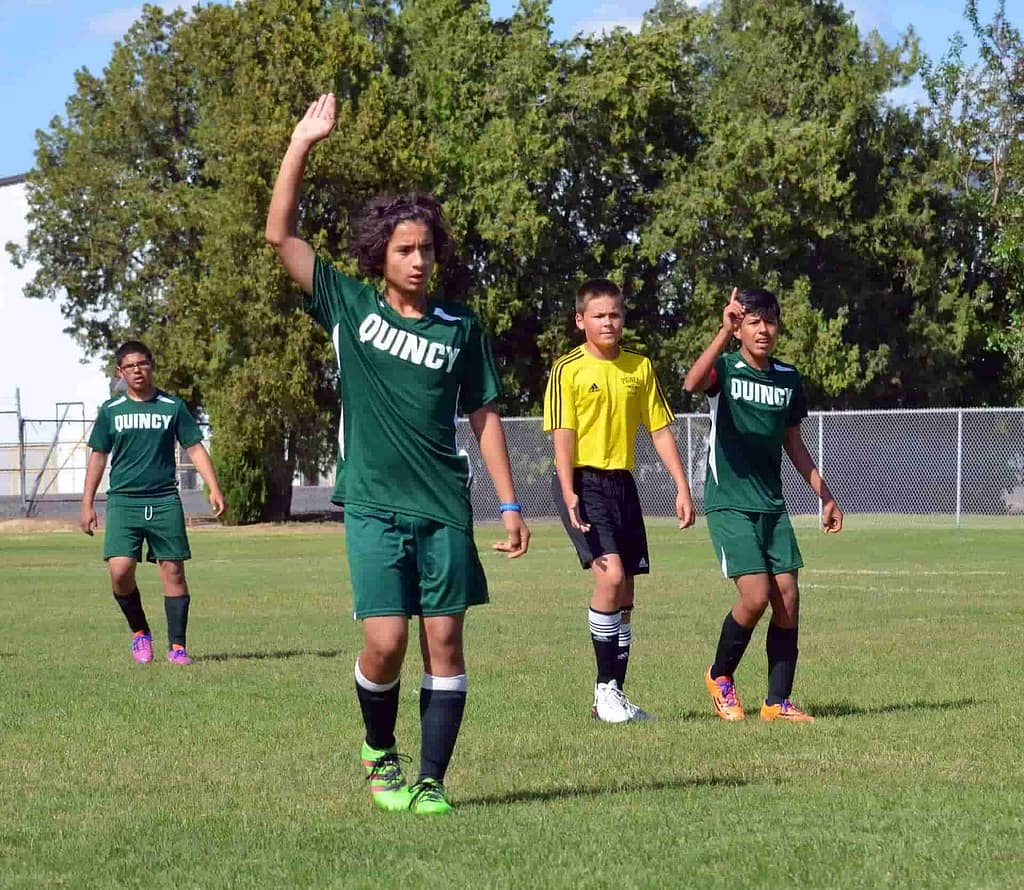
Soccer at this age isn’t just about matches; it’s about building community. Parents and kids often make events festive by including cultural or seasonal touches.
- Minion pumpkin painting is a popular fall activity at school soccer fundraisers or community events. It allows kids to celebrate Halloween while tying in their favorite sport.
- During winter, viral winter memes often spread among students and athletes, making team chats lively and keeping morale high during the offseason.
This cultural layer makes middle school soccer about more than wins and losses—it becomes part of growing up.
Beyond Soccer – Community Connections
Middle school sports programs often connect with local businesses and cultural landmarks. For example, families in New Jersey frequently gather at restaurants after games. Places like Mi Jalisco, a Mexican eatery style that reflects tradition and flavor, are where soccer families bond over good food.
Community support builds team spirit and teaches kids that soccer is about belonging as much as competition.
Unexpected Influences – Public Figures and Pop Culture
Sports, even at the NJ Middle School Soccer Team Minimum Age, connect to broader cultural conversations. Consider these surprising links:
- Gavin Newsom wife Antonio Brown rumor: While seemingly unrelated to soccer, stories like this show how celebrity culture and politics dominate conversations—even among young athletes scrolling their phones after practice.
- Griffin Dunne movies and TV shows: Older generations may recall these classics, but kids today often discover such works through streaming. Soccer families bond over both sports and movie nights, blending athletics with culture.
These cultural overlaps show that NJ Middle School Soccer Team Minimum Age doesn’t exist in a vacuum—it’s influenced by everything kids and parents consume.
Digital Shifts – From Atom Premium Domain to Flash USDT
NJ Middle School Soccer Team Minimum Age isn’t just about the field anymore; digital innovation has entered youth sports:
- Schools and teams are increasingly building websites, and having an atom premium domain makes a team’s online presence professional and easy to find. Parents use these sites for schedules, scores, and fundraising.
- On the financial side, even concepts like Flash USDT (a form of digital transaction in crypto) have entered fundraising discussions. Some schools are exploring modern payment methods for donations and team fees.
This shows how technology, business, and even cryptocurrency weave into something as traditional as school soccer.
Local Flavor – San Jose Muni and Sports Facilities
While our focus is on New Jersey, comparisons can be drawn with other communities. For example, San Jose Muni (Municipal Stadium in California) represents how local governments invest in sports infrastructure. Similarly, New Jersey middle schools allocate resources to ensure soccer programs have safe fields, goals, and equipment—because facilities shape experiences.
The Dark Side – Digital Risks
Not everything linked to soccer and the internet is positive. Terms like robbed zombie or leaked content such as laci kay somers nude remind us that the internet can expose kids to unsafe or inappropriate material. This is why schools emphasize digital literacy and safe online practices alongside sportsmanship. Just as coaches teach kids to protect themselves on the field, educators must guide them online.
Life Lessons from Middle School Soccer
Participation in soccer teaches lessons that extend far beyond the pitch:
- Teamwork and respect.
- Handling wins and losses gracefully.
- Balancing school and extracurricular activities.
- Cultural appreciation (from shared meals at Mi Jalisco to global soccer memes).
Parents often remark that middle school soccer was the moment their child learned responsibility.

Conclusion of NJ middle school soccer team minimum age
The NJ middle school soccer team minimum age may seem like a small detail, but it represents the careful balance between safety, fairness, and opportunity. Age guidelines ensure that children are physically and emotionally ready to participate, while the culture surrounding soccer—from minion pumpkin painting at fundraisers to enjoying tacos at Mi Jalisco—makes it a memorable life experience.
In today’s world, middle school soccer is more than a sport. It connects to digital trends like atom premium domains and Flash USDT, cultural conversations about celebrities, and even the cautionary tales of internet risks. It’s a microcosm of how society and sport intersect.
For fans and parents who want to stay updated on youth soccer, global matches, and cultural connections, Goalnyx.com provides reliable coverage. From grassroots middle school games to professional soccer analysis, Goalnyx helps fans navigate the ever-evolving world of sports with insight and accuracy.
FAQs of the NJ middle school soccer team minimum age
Q1: What is the NJ middle school soccer team minimum age?
Generally, the minimum age is 11 years old, aligning with 6th grade. Most players range from 11–14.
Q2: Why do age requirements exist for NJ Middle School Soccer Team Minimum Age?
To ensure safety, fair competition, and balanced physical and emotional development.
Q3: How does culture tie into middle school soccer?
Through activities like minion pumpkin painting, sharing winter memes, and family gatherings at restaurants like Mi Jalisco.
Q4: What role does technology play in youth soccer today?
Schools use premium domains for websites, and some even discuss modern fundraising methods like Flash USDT.
Q5: Where can I find updates about youth and professional soccer?
Visit Goalnyx for comprehensive updates, stats, and insights into both grassroots and professional soccer.