

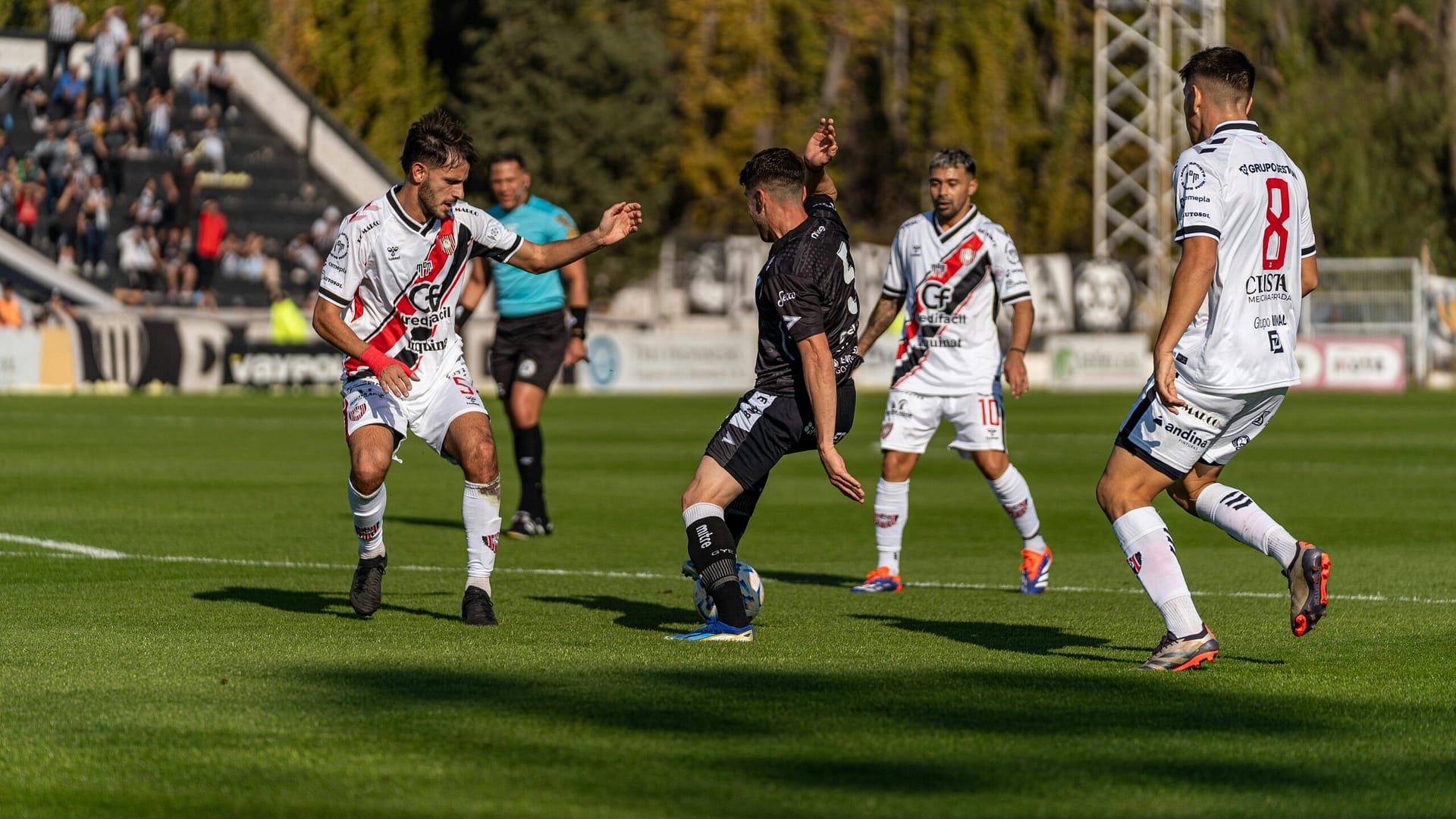
Let’s get something straight right away; poor passing doesn’t just “limit” a team it destroys it. At any level of soccer, from kids kicking around in a park to adults in amateur leagues, bad passing is the fastest way to lose possession, confidence, and games. If your passes constantly miss the target, your teammates stop trusting you, the ball keeps coming back at your defense, and the match turns into survival mode of passing accuracy drills.
That’s not bad luck, that’s bad preparation. Most beginners obsess over hitting the ball hard, thinking power equals quality. That idea is trash. Power without control is useless noise. Precision is what keeps the ball, controls tempo, and gives you options. This guide is built around soccer passing drills that fix the real problem, accuracy and learn more about it on goalnyx.
We’ll break down passing accuracy exercises designed for beginner passing practice, focusing on drills that actually work instead of fancy nonsense. Whether you’re training solo or with a partner, indoors or outdoors, this is about building a reliable foundation using basic passing technique that holds up under pressure.
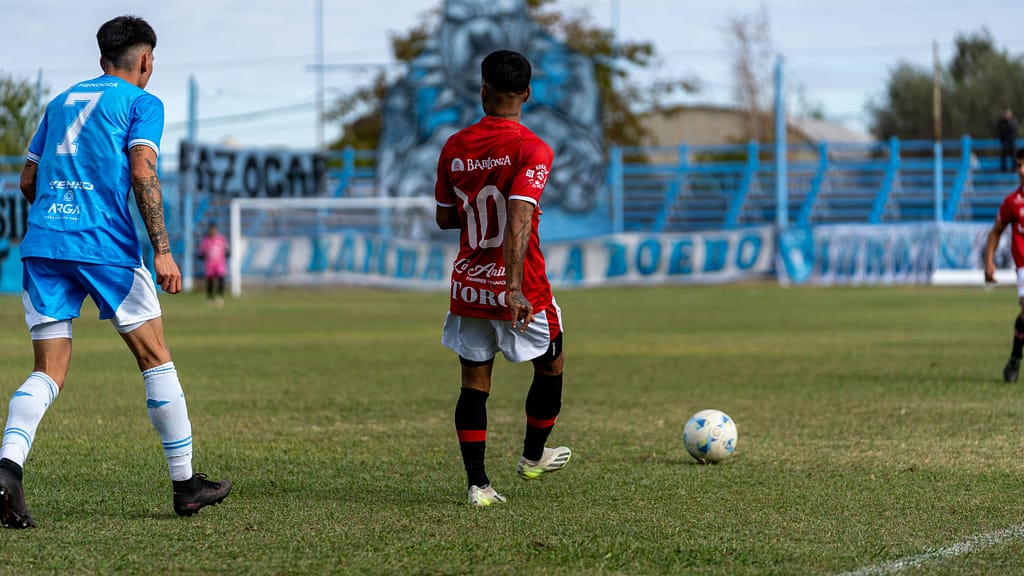
Why Passing Accuracy Matters More Than You Think
If you think passing accuracy is a “nice-to-have” skill, you’re already behind. Elite players consistently complete 85–90% of their passes in competitive matches. Beginners? Most hover around 60–70%, and that gap is a possession bloodbath.
Every missed pass hands the ball to the opponent and invites pressure. Accurate passing equals more possession, more control, and more chances to win simple math. When you improve accuracy, your team plays higher up the field, your defense rests, and the game slows down in your favor.
Many beginners assume accuracy will “come naturally” as they play more. That belief is lazy and wrong. Without structured passing accuracy tips and intentional training, your bad habits just get reinforced. Precision requires repetition, feedback, and focus on ball control and passing as a connected skill set. If you can’t pass accurately, it doesn’t matter how fast you run or how hard you shoot. Soccer rewards reliability, not wishful thinking.
The 3 Core Components of Accurate Passing
Accuracy isn’t magic, it’s mechanics. First comes body position and alignment. Your plant foot must land beside the ball, not behind it, with toes pointing at the target. Your hips should face where you want the ball to go, and your head needs to stay down at the moment of contact.
That’s the foundation of basic passing technique, and skipping it guarantees inconsistency. Next is contact point and technique. For beginners, the inside of the foot is king. It offers the largest, flattest surface and the highest margin for error. Striking through the center of the ball and following through toward the target are non-negotiable passing technique coaching cues. Finally, weight and pace control decide whether a pass succeeds or fails.
It’s too hard and your teammate can’t control it. You failed. Too soft and it gets intercepted you fail again. Accuracy lives in the balance, which is why passing drills timing and weight matter just as much as direction. Master these three components, and everything else builds on them.
7 Essential Passing Accuracy Drills for Beginners
The first drill is wall repetitions, a classic wall pass practice that exposes your weaknesses fast. Standing ten to fifteen feet from a wall, repeatedly passing to the same spot forces consistency. This drill is pure passing drills repetition, and repetition is how muscle memory is built. It’s brutally honest because the wall never lies. Next, gate passing with a partner introduces accountability.
Using cones to create a target turns this into one of the most effective partner passing drills, emphasizing short passing drills over raw power. Triangle passing patterns raise the difficulty by adding movement and angles, mimicking real-game flow and sharpening two-touch passing exercises. Target practice with cones adds pressure through scoring, making it a smart version of passing drills with cones.
One-touch passing lanes refine decision-making speed and are excellent for passing drills footwork. Pressure passing adds a defender, transforming these into true passing under pressure drills. Finally, long-short combinations develop long passing fundamentals without sacrificing accuracy, reinforcing a structured passing accuracy progression from simple to complex.
basic passing technique
Common Mistakes That Kill Your Accuracy
Most passing problems come from the same bad habits repeated endlessly. Leaning back while striking lifts the ball and kills accuracy. Toe-poking instead of using the inside foot creates unpredictable contact and ruins consistency. Failing to follow through leaves the ball short or off-line. Watching the target instead of the ball during contact leads to mishits, especially under pressure.
Worst of all, practicing without targets wastes time because there’s no standard for success. These mistakes show up constantly in poorly designed passing drills for beginners indoor and outdoor sessions where players just knock the ball around mindlessly.
Whether you’re working on passing drills for beginners outdoor or adapting passing drills for kids, precision only improves when every repetition has a purpose and measurable outcome.
How to Track Your Progress
If you are not measuring improvement, you’re guessing, and guessing doesn’t work especially in soccer passing. Too many beginners “feel” like they’re improving without any proof, and that’s how bad habits survive. Real progress starts with passing accuracy measurement, and it’s simpler than most people think.
Count your successful passes and divide them by total attempts. That number tells the truth. If you complete 70 out of 100 passes, your accuracy is 70%. There’s no ego in math. Consistency matters just as much. Being able to hit a target eight out of ten times is a realistic benchmark that shows your technique is stabilizing, not just flashing occasionally.
Distance progression is another key signal. When your accurate range expands from short passes to longer ones it shows real growth in confidence and control, not luck. Weekly testing using structured drills removes emotion from the process and exposes whether your sessions are actually working.
This is where passing drills accuracy improvement becomes visible instead of theoretical. You stop relying on “I think I’m better” and start relying on evidence. Data keeps you honest, forces accountability, and prevents you from lying to yourself about progress which is the biggest enemy of long-term improvement.
Creating Your Weekly Practice Schedule
Random practice produces random results, and that’s exactly why so many beginners stay stuck at the same level for months or even years. A weekly schedule built around focused sessions is how beginners actually improve fast.
Training three to four times per week, with each session lasting just twenty to thirty minutes, is more than enough if the work is deliberate. Mindless repetition won’t save you. Purposeful repetition will. Rotating drills across the week keeps the brain engaged while reinforcing the same core fundamentals from different angles, which accelerates learning and prevents burnout.
A smart structure mixes solo work with partner-based passing drills and proper warm-up routines to maintain balance. Solo sessions sharpen technique and confidence on the ball, while partner work improves timing, communication, and real-world execution. Later in the week, adding passing drills small sided games is critical because this is where technique gets tested under pressure.
Skills that only work in isolation are useless on match day. This type of schedule works for individual players, full teams, and organized beginner soccer training drills programs because it respects recovery while maximizing repetition. Consistency plus structure beats talent every single time.
Frequently Asked Questions
What are the best passing drills for beginners?
The best drills are simple, repeatable, and measurable. Wall passes, gate passing, and triangle patterns are ideal passing drills for beginners because they focus on accuracy before speed or power.
How can kids improve passing accuracy safely?
Using age-appropriate passing drills for kids with shorter distances and clear targets helps build confidence without overloading technique.
Is one-touch passing necessary for beginners?
Yes, controlled two-touch passing exercises should come first, but introducing one-touch work early improves awareness and decision-making.
How do I train both feet equally?
Include deliberate passing drills left foot/right foot work in every session to avoid imbalance and predictable play.
When should beginners start pressure drills?
Once basic accuracy is consistent, adding light passing under pressure drills bridges the gap between practice and real matches.
Conclusion
Accuracy beats power every time, especially for beginners, and ignoring this fact is the fastest way to stall your development. Too many players smash the ball and call it progress, but that’s not skill, that’s noise. Real improvement comes from control, precision, and intention. When you focus on basic passing technique and repeat the right movements, your body starts to learn automatically.

That’s why structured soccer passing drills and targeted passing accuracy exercises matter. They aren’t flashy or exciting, but they build muscle memory through repetition and clear feedback, which is what actually works.
When you commit to beginner passing practice the right way, your confidence on the ball grows fast. Teammates trust you more, your decision-making improves, and the game slows down in your head. The real secret is consistency.
Thirty focused minutes, three times a week, using simple short passing drills and controlled wall pass practice, is enough to completely change your passing ability. Start simple, track your results, and don’t rush ahead until your accuracy is reliable. Once those fundamentals are locked in, advanced patterns stop feeling overwhelming and start feeling natural. Stop overthinking it and start with drill one today.