

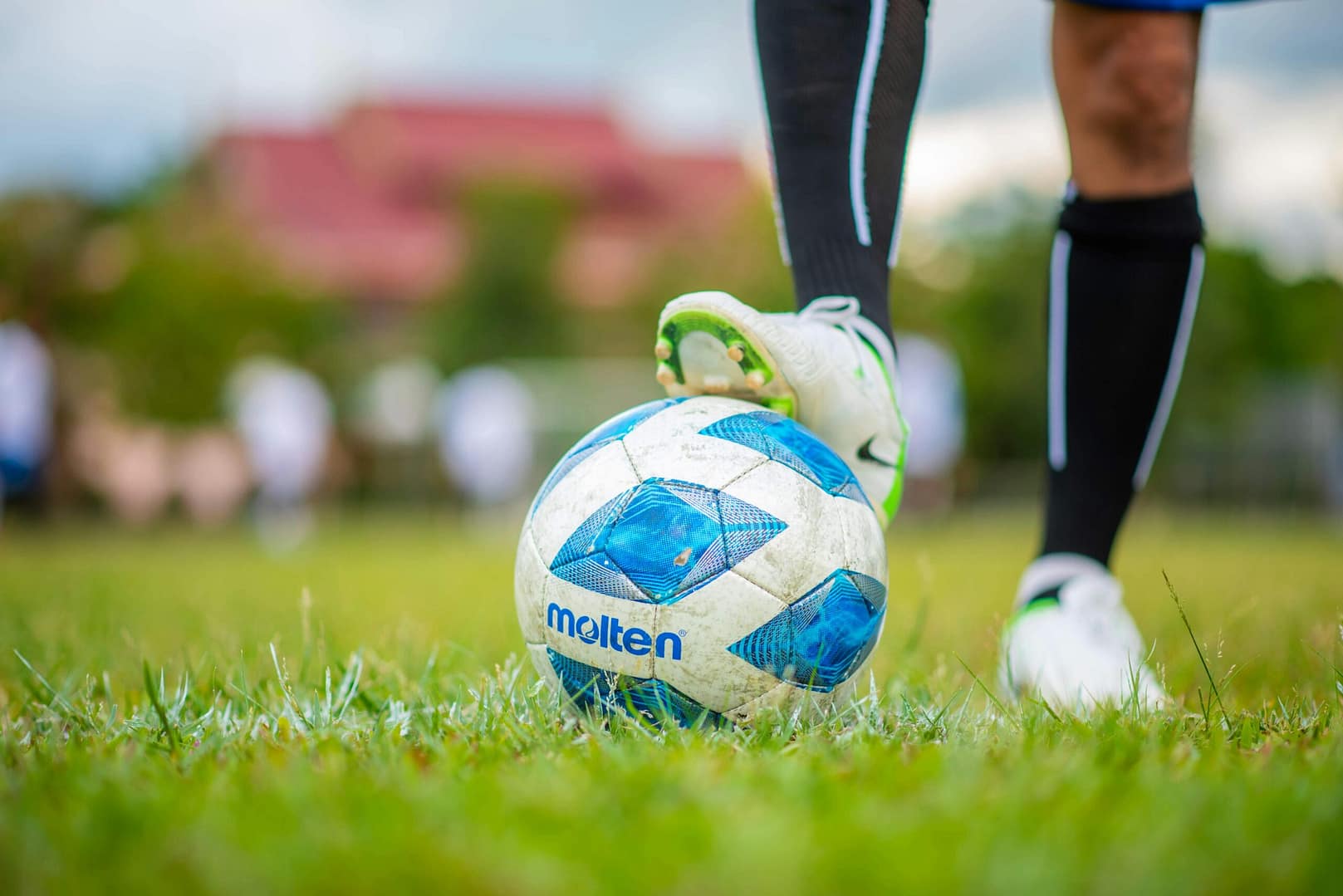
The difference between average players and elite ones is not talent, it is ball control techniques. Too many players wander through practice doing random dribbling exercises that feel productive but produce little real improvement for soccer cone drills. If you want reliable on-field dominance, you need structured, progressive work that forces precision, tempo control, and decision-making under pressure or learn more drills on goalnyx.
This article gives you 11 cone drills that build ball mastery step by step, from basic footwork drills to advanced close control training, so you can measure gains and target weaknesses instead of wasting time. Start here, commit, and stop lying to yourself about “training” that’s really just cardio. Use these drills exactly as written, track times and touches, and you’ll see the difference in matches.
Why Cone Drills Are Essential for Ball Control
Cone drills lock down the fundamentals because they force repetition of specific movements. Repeating the same motion builds muscle memory and improves touch improvement, so your foot reacts before your brain does. A well-designed cone drill also simulates game constraints, tight spaces, defenders’ angles, and the need for quick directional changes so the technical gains transfer to matches.
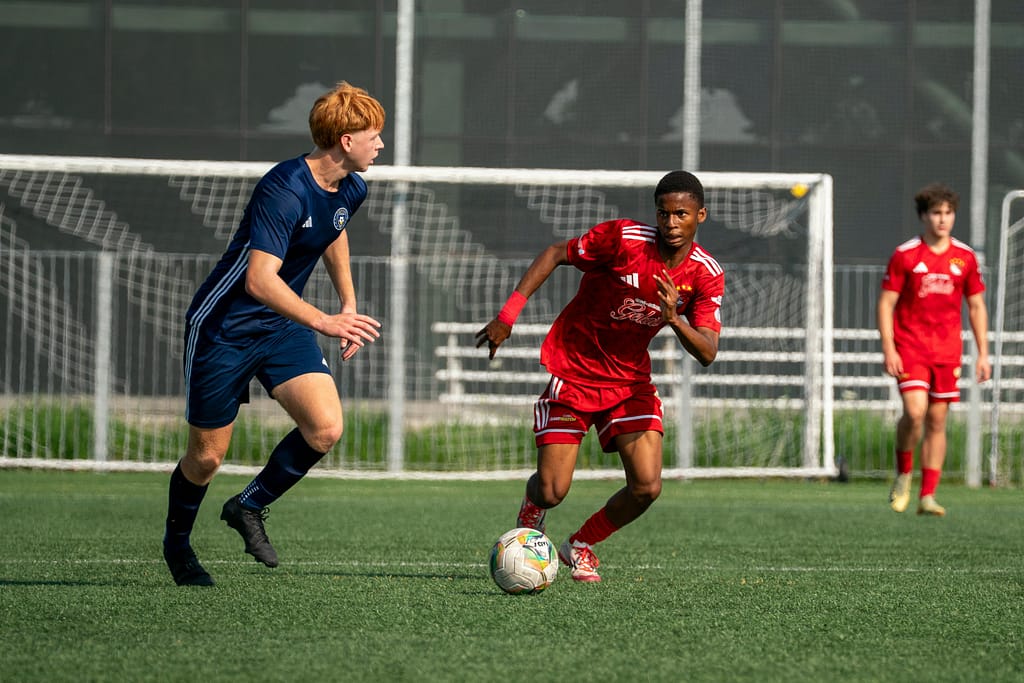
You can measure progress by timing circuits or counting clean passes through a pattern, which makes cone work ideal for soccer skills development and performance enhancement. Cones are cheap and portable, which keeps training accessible whether you’re doing youth soccer drills in a park or professional soccer training sessions. Finally, cone drills blend physical and cognitive demands: they improve proprioceptive training and kinesthetic awareness while sharpening soccer movement patterns.
What You’ll Need to Get Started with soccer cone drills
To run these drills you need 6–12 training cones; flat markers work best for quick touches. Use a proper soccer ball sized for the player’s age to ensure realistic ball handling skills. Clear a minimum 10×10 yard space; smaller areas enhance close control training while larger ones allow speed work for speed and precision.
Optional tools: a stopwatch or smartphone timer for benchmarking, and a soccer agility ladder to supplement foot speed and lateral movement work. That minimal kit covers drills focused on technical footwork, soccer coordination, and soccer conditioning without overcomplication.
Beginner Cone Drills for Ball Control
Figure-8 Dribbling
Set two cones about 3–4 yards apart. Dribble the ball in a continuous figure-8 pattern around them using small touches. Focus on using both inside and outside surfaces of the foot to guide the ball, keeping it close to avoid overreaching. Execution: push the ball briefly then cushion it back, turn your hips early, and keep your head up between repetitions.
Common mistakes include long, heavy touches that break rhythm or only using the dominant foot. Progression tips: reduce cone spacing, increase reps, or add a one-touch constraint to force quicker contact. This drill locks in technical footwork and basic ball control techniques.
Inside-Outside Touches
Set a line of 4–6 cones spaced roughly a yard apart. Weave through them by alternating inside and outside touches inside touch to the next cone, outside to the following one keeping the ball glued to your feet. Execution should be rhythmic: one touch per cone initially, then two-touch patterns once speed improves.
Focus points are balance on the standing leg, minimal look-down time, and relaxed ankle movement. Variations include switching cadence, using only the weaker foot, or performing the sequence at a jog to build dribbling exercises that mix speed and control. This drill enhances touch improvement and soccer coordination.
Cone Weave with Sole Rolls
Arrange 6 cones in a straight line with one-yard gaps. Start by weaving through two cones with inside/outside touches, then perform a sole roll behind the next cone to change direction, repeating the pattern down the line. The sole roll lets you change pace and protect the ball by placing the sole on the ball and pulling it back or sideways.

Tempo guidance: begin slow to nail technique, then speed up while maintaining close control. This drill builds cone weaving, stronger ball handling skills, and improves midfielder training fundamentals like tight-space creativity.
Intermediate Cone Drills for Ball Control
L-Drill with Direction Changes
Set three cones in an L-shape: start at cone A, dribble to B, cut to C, and explode back to A. Use varied surfaces inside, outside, and sole to execute sharp turns. Technical execution emphasizes planting the non-dribbling foot to pivot quickly and using short touches to maintain possession.
Speed progressions: do the pattern at 70% speed until technique is clean, then chase faster times. Add a one-vs-zero decision where you must feint before the cut to mimic a defender’s reaction. This drill improves lateral movement, quick directional changes, and advanced footwork drills useful in forwards ball control and midfield transitional moments.
Diamond Touch Drill
Place four cones in a diamond about 1.5 yards apart. Dribble from the front cone to the right cone, then back through the center to the left cone and around the back cone, completing the diamond repeatedly. Alternate using only right or only left foot for full rounds, and aim for clean passes through the center.
This pattern forces both-foot usage and controlled pivoting. Time benchmarks: beginner target 12–15 seconds per circuit; intermediate 8–10 seconds. The drill demands both-feet requirement and trains possession drills and soccer skill progression by reinforcing symmetrical technical footwork.
Stop-and-Go Cone Circuit
Layout six cones in a staggered line. Dribble at speed to cone one, stop the ball under control, accelerate to cone two, then perform a sudden stop and turn. Integrate explosive movement by sprinting between cones after each stop. Full description: the drill alternates high-speed approaches with low-speed control moments to replicate in-game transitions.
Emphasize short touches on deceleration to keep the ball within reach. Use this to work on defensive dribbling when protecting the ball and to develop soccer conditioning that supports repeated accelerations. The circuit enhances speed and precision under fatigue.
Advanced Cone Drills for Ball Control
Cruyff Turn Cone Sequence
Set a line of 5 cones 1.5 yards apart. Approach the first cone, execute a Cruyff turn (fake like you’ll pass or shoot, drag the ball behind your standing leg with the inside of the other foot, and rotate), then weave through the next cones with tight touches.
Advanced technique breakdown: the Cruyff is about timing the shoulder feint, planting the foot, and retracting the ball quickly practice slowly before linking to tempo. Game application: use this sequence to break defensive lines when you have one-on-one opportunities in attacking zones. This drill sharpens soccer technique refinement and elite close control training for attackers and creative midfielders.
Multi-Directional Close Control
Arrange cones in a 3×3 square grid with 1–1.5 yard spacing. The drill requires moving the ball in diagonal, lateral, and backward directions between marked nodes while maintaining contact. High-tempo execution pushes the player to touch with varying surfaces sole, inside, outside without losing proximity.
This complex pattern develops multi-axis control and simulates chaotic match scenarios where space opens and closes unpredictably. It’s ideal for midfielder training focusing on possession drills and soccer movement patterns that demand continuous head-up play and kinesthetic awareness.
Pressure Simulation Drill
Set two lines of cones forming a corridor about 4 yards wide. A partner or coach acts as passive pressure, moving along the corridor to close angles. The ball carrier must keep possession while performing specified moves shielding, sole rolls, sudden directional changes until reaching the end. If no partner is available, use a moving cone or a timed chase to simulate pressure. Decision-making integration is critical: players must choose between protecting, accelerating, or releasing the ball. This drill builds individual skills training under duress, enhances proprioceptive training, and prepares players for real soccer tactical drills where possession is contested.
Creating Your Training Schedule
Train 3–5 times per week depending on goals youth players can start with three short sessions, while serious players benefit from five focused sessions. Session duration: 30 minutes for maintenance, 45–75 minutes for dedicated skill development. Rotate drills across sessions: dedicate one day to beginners’ patterns for touch and coordination, one to intermediate tempo and timing, and one to advanced control under pressure and soccer agility ladder work.
Use stopwatch benchmarks and video to track progress; record times and touch counts for each drill weekly. Progress by increasing tempo, decreasing cone spacing, or adding decision elements like passive defenders to mimic match stress. This schedule ensures steady soccer skill progression and balanced soccer conditioning.
Common Mistakes to Avoid
Ball too far from your feet ruins control; shorter, sharper touches win in tight spaces and under pressure. Train to keep the ball within a stride so you can change direction instantly and protect possession. Relying only on your dominant foot makes you predictable force weaker‑foot rounds in every session until both feet are usable.
Set simple targets: half a session with the weak foot, or specific drills where using the strong foot is forbidden. Neglecting head‑up positioning wastes chances; practice frequent glances up between touches so you can scan for teammates, defenders, and space while maintaining ball control techniques.
Skipping warm‑ups invites injury and guarantees poor performance. Spend five minutes mobilizing ankles and hips, then add dynamic touches and light dribbling to prime technical footwork and soccer coordination. Warm muscles hold the ball better and react faster during dribbling exercises. Correct these faults deliberately. Use short‑space cone patterns to force close control, impose time limits to punish heavy touches, and add a passive defender to simulate pressure.
Record sessions and note when the ball drifts too far or when you overuse one foot. Fixing these habits transfers directly to matches: fewer turnovers, better touch improvement, and cleaner possession under stress.
Frequently Asked Questions
How often should a youth player do these drills?
You should train 3 times per week with shorter 20–30 minute sessions focused on youth soccer drills and technical footwork, increasing frequency as skill and endurance grow.
Can these drills replace team practice?
No. These drills complement team sessions by improving individual skills training, close control training, and decision-making, but team practice is necessary for tactical cohesion.
How do I measure improvement?
Track circuit times, touch counts, and error rates. Video analysis helps quantify soccer skill progression and pinpoint technical flaws.
What’s the best way to train the weak foot?
Force single-foot rounds and set percentage goals e.g., 60% of reps with the weak foot. Combine with dribbling exercises that isolate touch and control under fatigue.
Should I add conditioning to these drills?
Yes. Integrate soccer conditioning and short sprints into circuits to build match realism, working speed and precision while maintaining clean touches.
Conclusion
Consistency beats intensity. Ten sloppy reps never match one perfect rep repeated daily. Start with three cone drills today: pick a beginner, an intermediate, and a control-focused exercise then master the basics before you increase speed. Track times, touch counts, and error rates with a simple stopwatch or phone video.
Record one metric each session so progress is measurable: shave seconds off circuits, reduce heavy touches, or hit a target number of clean touches per minute. Make deliberate practice non-negotiable, set short, specific goals (e.g., five consecutive flawless figure‑8s or 10 diamond circuits under 12 seconds) and refuse sloppy work.

Progress by tightening margins: reduce cone spacing, add a time cap, force weaker‑foot rounds, or introduce a passive defender to simulate pressure. Every change should serve a purpose either to increase tempo, restrict space, or add a decision element. This layered approach turns isolated drills into effective ball control techniques, enhancing touch improvement and close control training so skills survive fatigue and chaos.
Train consistently 3–5 times weekly, mix technical sessions with light conditioning, and review recordings weekly to correct habits. Gradual overload ensures your dribbling exercises become automatic and match‑ready precision under pressure, not pointless volume, wins games.