
You want to train but have no cones, no goals, no fancy gear and that pisses you off. Good. That frustration is fuel. Training without equipment forces you to strip the game to essentials and fix the weak bits of your technique that gadgets hide in soccer drills. Do these drills correctly and you will sharpen your first touch, improve your ball control, sharpen footwork, and develop real spatial awareness.
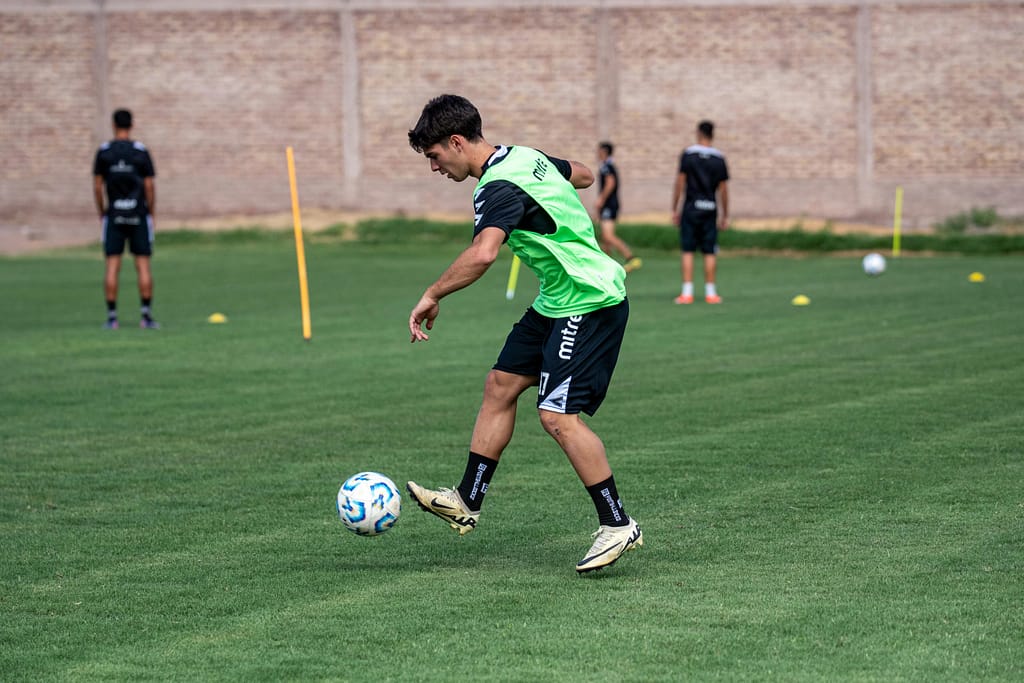
These are the exact skills professionals refine in cramped streets or empty gyms; they’re grounded in biomechanics and neuromuscular principles, so repetition builds genuine skill development rather than habit around props. If you commit, expect measurable gains in technique improvement, movement patterns, and soccer fundamentals no equipment required, just discipline in soccer drills.
Why No-Equipment Training Actually Makes You Better
Training without tools forces creativity and adaptability. When you cannot lean on cones or mannequins, you learn to read space and opponents more clearly, improving tactical awareness and soccer intelligence. You also build body awareness because every touch, shift, and sprint must be executed with intention; this strengthens proprioception and neuromuscular control, so your body learns to self-correct under match pressure.
Accessibility equals volume. If your program fits into hallways, parks, or backyards, you practice far more often. More practice time means faster skill progression in areas like dribbling techniques and passing precision. Real-world proof: countless pro players grew up honing technique in limited conditions street footballers who developed superior close control and improvisation because they had to in soccer drills. That adaptability translates directly to on-field performance when structure returns.
Ball Control Soccer Drills
Toe Taps and Variations
Start with simple toe taps: alternate quick touches on the ball with the top of each foot while staying light on your toes. This drill builds raw ball control and foot speed. Increase difficulty by accelerating tempo, switching to single-foot bursts, or combining with lateral hops to train Body Coordination. Common mistakes include dropping the shoulders, locking knees, and using large sweeping movements; keep movements small and rhythmic to train rhythm and timing.
Inside-Outside Touch Circles
Perform inside-outside touches in a circular pattern by tapping the ball with the inner then outer side of the foot, moving around an imaginary center. This drill enhances surface awareness of the ball and refines dribbling techniques for tight spaces. Track progress by counting successful touches per minute or reducing the radius while maintaining control. A shrinking circle with steady touch counts demonstrates clear technique improvement.
Figure-8 Dribbling
Weave the ball in a figure-8 pattern around your legs, keeping the ball glued to your feet. This develops close control and quick change of direction, critical to beating tight markers. Vary tempo between slow, technical repetitions and fast, reactive bursts to build adaptable movement patterns. Combine with brief sprints after each figure-8 to link control with acceleration, a transfer to match conditions and reactive movements.
Agility and Footwork Drills
Shadow Defending
Pretend there’s an opponent and mirror imagined moves: shuffle, step forward to block passing lanes, and drop hips to maintain balance. This trains defensive Movement Patterns, Balance Enhancement, and the mental aspect of tracking an attacker without physical markers a form of Mental Simulation. Practice changing direction on a cue (clap or shout) to simulate unpredictable opponent decisions and sharpen reactive movements.
Lateral Shuffle Series
Perform continuous lateral shuffles over a set distance defined by two natural markers (benches, lines, tree bases). Add sudden direction changes and short forward bursts to simulate defensive recovery and pressing in soccer drills.
This builds explosive lateral power and improves Agility Training and Speed Training without equipment. Emphasize low hips and quick foot turnover to make the movement game-ready.
Single-Leg Balance Drills
Stand on one leg while manipulating the ball with the other foot, pass it, receive, or tap it around your supporting leg. Balanced control under single-leg load is the foundation of sharp Footwork and superior Ball Control when being tackled. Progress by closing your eyes briefly to challenge Proprioception and Neuromuscular Control, or by performing single-leg hops to mimic match destabilization and train Balance Enhancement.
Fitness and Conditioning
Soccer-Specific Cardio
Interval sprints are essential: pick two natural landmarks and sprint between them at near-max effort, rest briefly, and repeat. Use variable distances to mimic the stop-start nature of soccer and improve Fitness Conditioning and Speed Training. Suicide-style runs can be done using visible points like lamp posts they build repeated sprint ability and simulate match energy systems while remaining equipment-free.

Core Strengthening for Stability
A strong core transfers directly to shielding, accurate shooting, and balance under contact. Standard bodyweight moves such as planks, side planks, and mountain climbers improve core strength and bodyweight drills for soccer-specific stability. Add rotational drills (lying windmills, standing trunk twists) to develop the anti-rotation strength required for powerful passing and stable receiving. Better core control reduces wasted movement and sharpens Cognitive Training by letting you focus on decision-making rather than balance.
Solo Passing and Receiving Practice
Wall Work (The Classic)
If you have any wall, use it relentlessly. Practice one-touch returns to train Passing Precision, then alternate with two-touch control to emphasize Technique Improvement under pressure in soccer drills. Vary angles and distance to simulate different pass speeds and trajectories, and force your weaker foot into service to improve overall Passing Precision. Even rough walls help develop predictable rebounds and treat each session as a measurable Solo Practice.
Self-Service Drills
Toss-and-control drills force you to handle balls coming from irregular trajectories: toss the ball up, control with chest or thigh, and drop into a tight dribble. Juggling complements this by refining first touch and touch frequency, improving Ball Control and Rhythm and Timing. Introduce variations like alternating feet, using thighs and shoulders, and limiting touches to build Skill Development under constraint.
Creating Your Training Structure
Build a weekly plan that balances skill work, conditioning, and recovery. A simple template: three days focused on technical Skill Progression (ball control, Dribbling Techniques, passing), two sessions emphasizing Fitness Conditioning and Agility Training, and one active recovery day with light Bodyweight Drills and mobility.
Each session should have measurable targets: touch counts, timed sprints, or successful wall passes in a row. Track progress with simple metrics increases in touches per minute, faster sprint times, or more consistent weak-foot passes denote true improvement in technique improvement and soccer fundamentals. Rotate drills to keep cognitive load fresh and to build Soccer Intelligence through varied scenarios.
Frequently Asked Questions
How often should I do no-equipment drills?
Aim for 4–6 focused sessions per week, mixing technical work and conditioning so you get volume without burning out.
How do I measure progress without equipment?
Use time, touch counts, successful passes against a wall, and sprint times between fixed landmarks as objective metrics.
Will no-equipment training hurt my tactical development?
No combine solo tactical study (video, mental simulation) with pattern work in space to develop tactical awareness and movement patterns.
How do I avoid plateauing?
Increase difficulty: shrink circles, speed up repetitions, limit touches, use weaker foot, add reactive cues, or add single-leg variations to challenge neuromuscular control.
Can these drills replace team training?
They won’t replace match decision-making, but they will dramatically raise your ball control, footwork, core strength, and soccer fundamentals, so you arrive at team sessions better prepared and more likely to stand out.
Conclusion
If you are lazy about repetition, this is worthless. These drills don’t magically fix weaknesses, they expose them. To get results you must push the pace, track real metrics, and force your weaker foot into action in confined spaces of soccer drills.
Start each session with a clear target: a number of quality touches, timed sprints, or consecutive one-touch wall passes. Short, focused sets beat long, sloppy practice. Use intervals: 6–8 sets of 30–60 seconds of maximum effort on technical work, followed by controlled recovery. Count successful reps, record sprint times, and note weak-foot accuracy; if numbers don’t improve, your practice is just motion.

Intensity alone isn’t enough to maintain perfect technique under pressure. Slow the drill until your form is flawless, then increase speed. Limit touches to create match-like constraints and force creativity. Add single-leg balance work and quick directional changes to simulate real game destabilization. Push yourself to practice at odd hours and in tight spaces so you learn to perform under discomfort.