

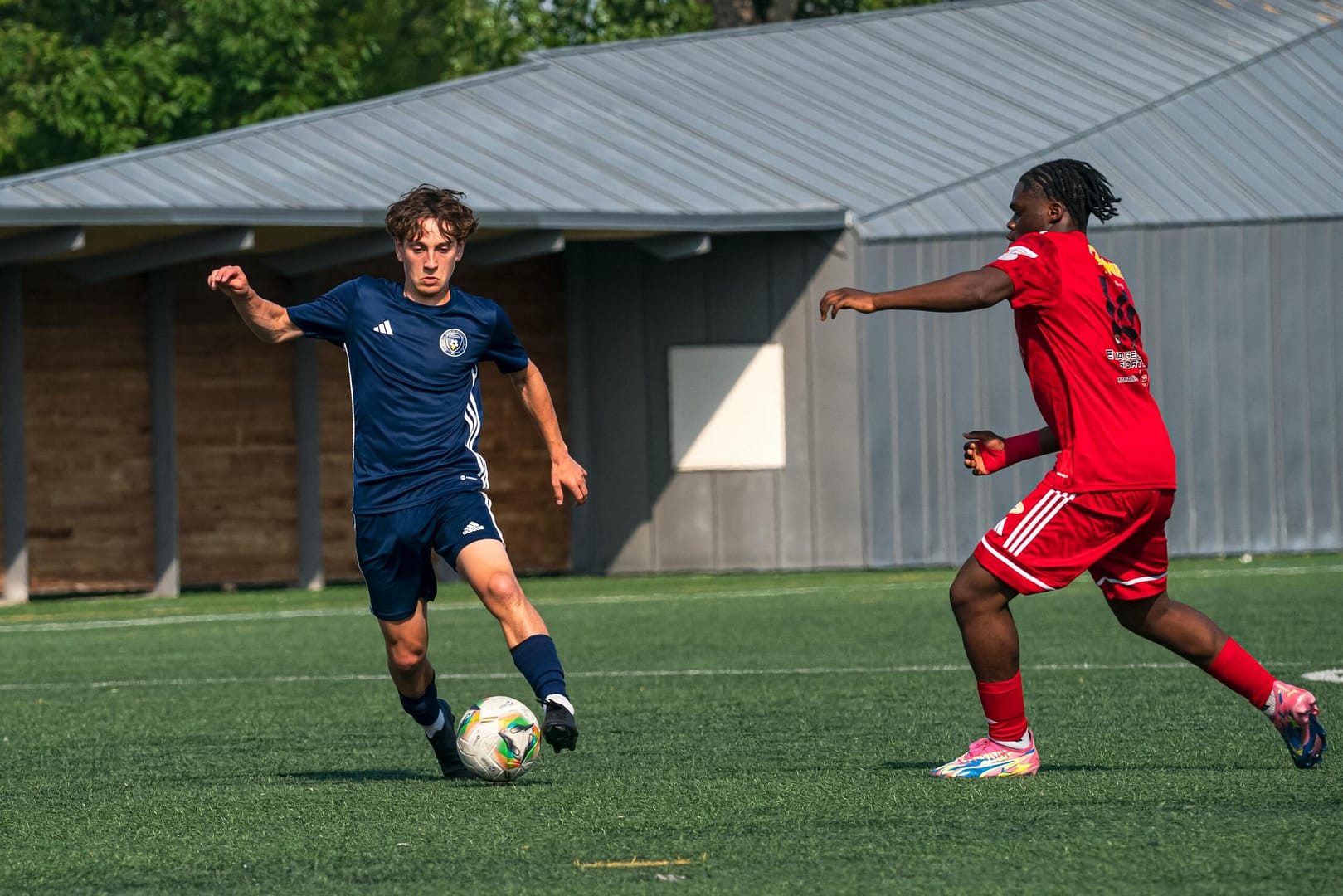
But when two kids have similar skills, the faster, more agile one wins the duel almost every time. That’s why youth soccer speed training isn’t optional anymore, it’s foundational. If your kid can’t accelerate, decelerate, and change direction efficiently, their first touch, spatial awareness, and overall game speed suffer and more on goalnyx.
Now for the part most parents and coaches don’t want to hear: most kids train completely wrong. Endless laps around the field. Mindless conditioning. Adult-style workouts dumped onto children who don’t yet have the coordination, body control, or movement efficiency to handle them. That’s not development, that’s lazy coaching in speed & agility drills.
This article fixes that. You’ll get age-appropriate soccer agility exercises for children, structured football speed drills kids can actually benefit from, and a progression framework that respects how young bodies grow.
We’ll cover safety, frequency, and how to build explosiveness, reactive ability, and a better first step in soccer without burning kids out or breaking them down. Train smart, 2–3 times per week, and you’ll see real improvement, not just tired legs.
Why Speed and Agility Matter for Young Soccer Players
Speed and agility aren’t just about running fast in a straight line. In soccer, speed shows up in moments: beating a defender to the ball, recovering on defense, exploding into space, or reacting first when a pass deflects. That’s why quickness drills for young soccer players and acceleration training youth soccer programs directly impact match performance.
Let’s clear up confusion. Speed is linear how fast a player moves from point A to B. Agility is the ability to start, stop, cut, and re-accelerate while maintaining balance and coordination in soccer. Most parents lump these together. That’s a mistake. Soccer is chaotic and multi-directional. Players live in multi-planar movement, not track lanes.
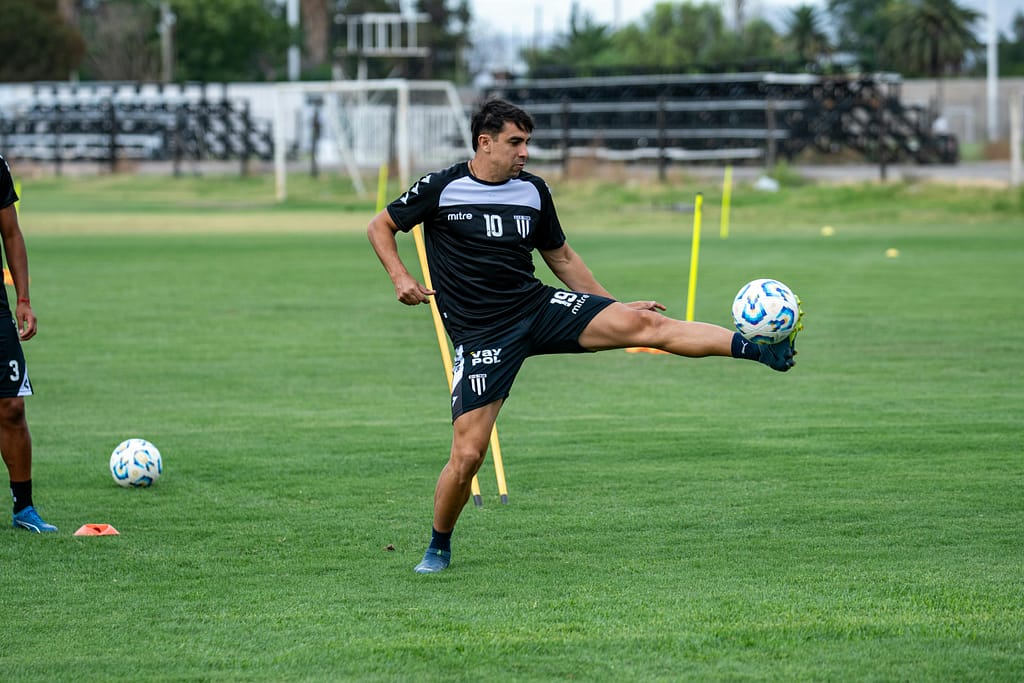
There are also critical development windows. Ages 6–9 are about coordination drills for children, rhythm, and fast footwork drills soccer basics. Ages 10–13 are prime for speed development neurologically, kids are wired to improve ground contact time and stride length. After 14, power and power-to-weight ratio become more relevant, especially for teen soccer agility exercises.
Common mistakes? Overtraining. Ignoring technique. Using adult sprint drills for soccer without modification. Or worse focusing only on conditioning instead of soccer performance enhancement kids actually need: efficient movement, reaction, and control.
Safety and Foundation Principles
If you skip this section, you’re setting kids up for injuries. Period. Prevent injuries youth soccer starts with respecting how children move and recover.
Warm-ups should always be dynamic. Static stretching before training kills power and reaction time. Think skips, shuffles, light jogs, and mobility work for hip mobility, ankle strength, and core stability. These are non-negotiable foundations of athletic development children require.
Footwear and surface matter more than drills. Turf shoes on grass. No speed work on concrete. Slippery fields increase injury risk during deceleration and cutting.
Progression is king. Master form before speed. If posture collapses or arms flail, slow it down. Red flags include sharp pain, extreme fatigue, or obvious breakdown in technique. Training through that isn’t “toughening kids up” it’s stupidity.
Frequency? Two to three sessions per week max. More isn’t better. Quality beats volume every time in soccer conditioning drills for kids.
Speed Drills for Soccer Kids
Ages 6–9: Foundation Speed Drills
This age group is about play, not pressure. Think preschool soccer activities and elementary soccer drills with intent.
Drill 1: Red Light, Green Light Sprints
Kids sprint on “green,” stop on “red.” Focus on short bursts and posture. This builds early explosive speed soccer training without overloading them.
Drill 2: Cone Weave Sprints
Set five cones two yards apart. Sprint through while staying low. This introduces cone drills youth soccer and basic acceleration mechanics.
Drill 3: Partner Chase Tag
One player reacts to the other’s movement. Simple, chaotic, effective. Great for reaction time drills soccer and fun enough to keep kids engaged.
These are perfect U8 soccer speed drills that improve confidence and movement quality.
Ages 10–13: Intermediate Speed Development
Now we build structure. This is prime time for U10 agility training and U12 speed workouts.
Drill 4: Suicide Runs with Ball
Distances of 5, 10, 15, and 20 yards. Add a ball to keep it soccer-specific and improve movement efficiency.
Drill 5: Hill Sprints
Find a mild incline. Sprint 15–20 seconds. Hills naturally teach proper angles and improve stride length safely.
Drill 6: Resisted Sprints
Partner resistance using hands or towels not bands. This builds acceleration without compromising mechanics.
This is where kids really improve soccer speed if coached correctly.
Ages 14+: Advanced Speed Training
Middle school soccer training and U14 soccer conditioning allow for higher intensity work, but only when proper foundations like body control, core stability, and movement efficiency are already in place. Skipping these basics leads to poor mechanics and higher injury risk.
Drill 7: Flying 40s
This is one of the most effective sprint drills for soccer at this age. Players accelerate for 20 yards, then sprint at full speed for another 20 yards. It improves stride length, reduces unnecessary tension, and teaches athletes how to stay relaxed at top speed critical for true game speed.
Drill 8: Overspeed Training
Using a very slight downhill surface, this drill improves leg turnover and ground contact time. It enhances explosive speed soccer training without forcing unnatural mechanics when coached correctly.
Drill 9: Starting Speed Variations
Falling starts and three-point stances develop acceleration training youth soccer needs, helping players achieve a better first step soccer demands in real match situations.
Agility Drills for Soccer Kids
Ages 6–9: Coordination and Body Control
Agility starts with control, not cones.
True agility for young players is about body control, balance, and decision-making before speed. Many soccer agility exercises for children fail because they rush into complexity without mastering movement basics. For proper athletic development children, drills must first build coordination, posture, and rhythm.
Drill 10: Ladder Drills
Use simple patterns only one foot in, two feet in, lateral steps. These ladder drills soccer kids focus on rhythm, timing, and fast footwork drills soccer, not conditioning. When done correctly, they improve ground contact time, movement efficiency, and quick feet soccer drills mechanics without fatigue overload.
Drill 11: T-Drill Simplified
Reduce distances and keep intensity moderate. This introduces the T-drill for kids safely while teaching change of direction exercises, controlled deceleration, and proper turning mechanics. Ideal for U10 agility training and early middle school soccer training phases.
Drill 12: Mirror Drills
Players face a partner and react to movements in real time. This builds reactive ability, spatial awareness, and reaction time drills soccer depend on during games. It’s one of the most effective coordination drills children can do without equipment.
Ages 10–13: Reactive Agility Focus
This age group is ready to think while moving. The nervous system is primed for learning complex patterns, making it perfect for quickness drills for young soccer players.
Drill 13: 4-Cone Box Drill
The coach calls directions mid-movement. This enhances multi-planar movement, awareness, and real-game reactions using cone drills and youth soccer.
Drill 14: Lateral Shuffle Series
Add ball touches to improve lateral movement drills, first touch, and defensive footwork.
Drill 15: Illinois Agility Test (Modified)
Shortened distances make this Illinois agility test youth version safe while tracking progress in teen soccer agility exercises and soccer performance enhancement kids programs.
Ages 14+: Soccer-Specific Agility
Game-Realistic Training Focus
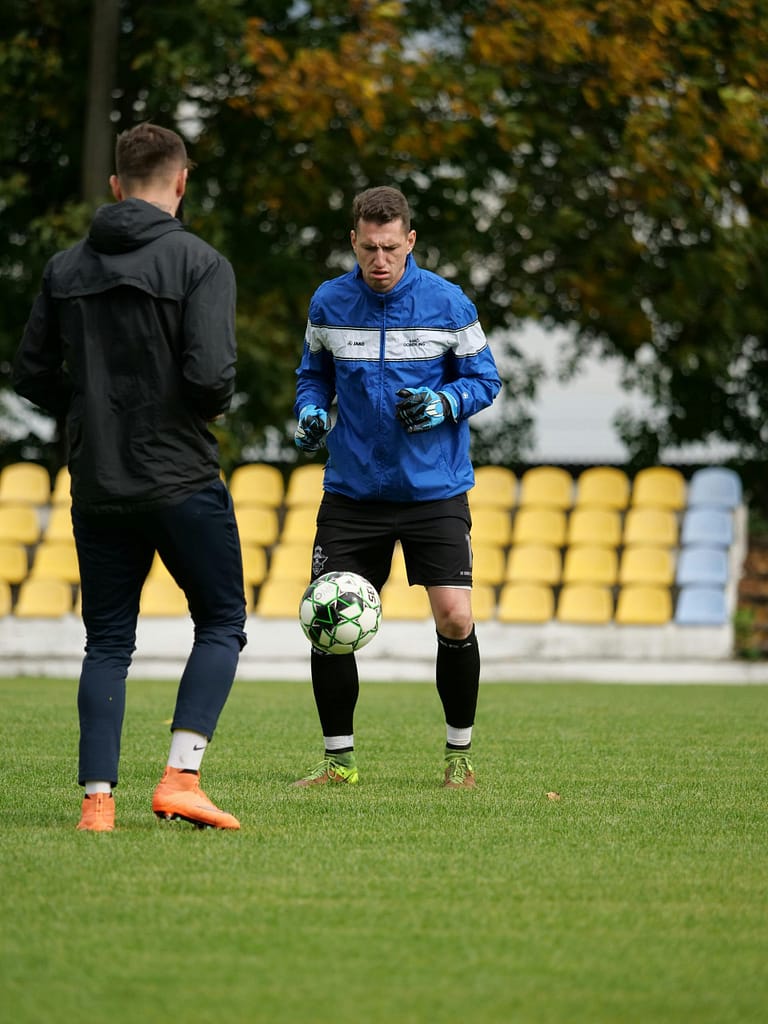
This phase mirrors real match situations and is ideal for teen soccer agility exercises, U14 soccer conditioning, and advanced youth soccer speed training. The goal is to improve game speed, reactive ability, and efficient change of direction exercises under pressure.
Drill 16: Cutting Drills at Game Speed
Players perform 45°, 90°, and 180° cuts at full intensity. These soccer agility exercises for children emphasize braking mechanics, sharp deceleration, and proper body control, directly improving movement efficiency and defensive recovery.
Drill 17: Reactive Ball Drops
The coach drops a ball without warning. Players react instantly, enhancing reaction time drills, soccer, first touch, and explosive acceleration.
Drill 18: 1v1 Agility Scenarios
Live duels that demand fast decisions, spatial awareness, and true soccer performance enhancement kids need at competitive levels.
Programming and Progression
A smart weekly plan for youth soccer speed training depends on age and movement quality. For ages 6–9, focus on two short sessions of 20–30 minutes using fun elementary soccer drills, coordination games, and basic soccer agility exercises for children.
Ages 10–13 respond best to 2–3 sessions of 30–45 minutes that include U10 agility training, U12 speed workouts, cone drills, youth soccer, and controlled sprint drills for soccer. Players 14 and older can handle three 45–60 minute sessions emphasizing U14 soccer conditioning, teen soccer agility exercises, and acceleration training youth soccer.
Track progress with simple timing or visual cues kids understand. Use build peak rest cycles and combine speed work with technical training. Advance only when form stays clean under fatigue true athletic development children need, not social-media fitness.
Common Mistakes Parents and Coaches Make
One of the biggest errors in youth soccer speed training is repeating the same drills until kids hit a plateau. Adaptation stops, and so does progress. Another major issue is ignoring recovery true athletic development children depend on rest, not nonstop soccer conditioning drills for kids.
Comparing players is also damaging; growth isn’t linear, especially during elementary soccer drills and middle school soccer training years. Skipping “boring” fundamentals like coordination drills, children, balance and coordination soccer, and proper acceleration training youth soccer is a shortcut to mediocrity.
Finally, training speed without the ball misses the point soccer agility exercises for children must be reactive. If you want to make child faster at soccer, stop cutting corners and train smarter.
Frequently Asked Questions
At what age should kids start speed and agility training for soccer?
Kids can begin structured youth soccer speed training as early as age 6, as long as the focus is on coordination, body control, and fun. Early training should emphasize movement efficiency, balance and coordination soccer, and simple soccer agility exercises for children, not intense conditioning or long sprints.
What is the difference between speed and agility in youth soccer?
Speed refers to how fast a child can run in a straight line, while agility is the ability to stop, start, cut, and react during play. Soccer performance depends far more on agility, including change of direction exercises, reactive ability, and deceleration, than raw sprint speed alone.
How often should kids do speed and agility drills each week?
For optimal athletic development children, speed and agility work should be done 2–3 times per week. This frequency improves explosiveness, ground contact time, and first step soccer ability without increasing injury risk or overtraining.
Are ladder and cone drills actually effective for young players?
Yes when used correctly. Ladder drills soccer kids and cone drills youth soccer improve foot speed, rhythm, and spatial awareness, but they must progress into game-like drills that involve decision-making and game speed to truly enhance soccer performance.
How can parents tell if speed training is helping their child?
Look for better on-field outcomes, not just faster sprint times. Signs include improved first touch, quicker reactions, stronger lateral movement drills, and more confidence during 1v1 situations. These indicate real soccer performance enhancement kids benefit from not just conditioning.
Conclusion
Speed and agility aren’t gifts; they’re built through youth soccer speed training done the right way. With consistency, smart progression, and respect for age-specific development, any child can improve athleticism and confidence on the field. Every elite player once struggled with basics like quick feet soccer drills, ladder drills soccer kids, and simple change of direction exercises.
The difference is they trained them consistently. Start small instead of doing everything at once. Pick two soccer agility exercises for children this week and focus on quality movement, not speed alone.
Track progress in a way kids understand, celebrate small wins, and stay patient. When drills match the child’s age and ability, soccer performance enhancement kids achieve becomes sustainable, safe, and effective.