

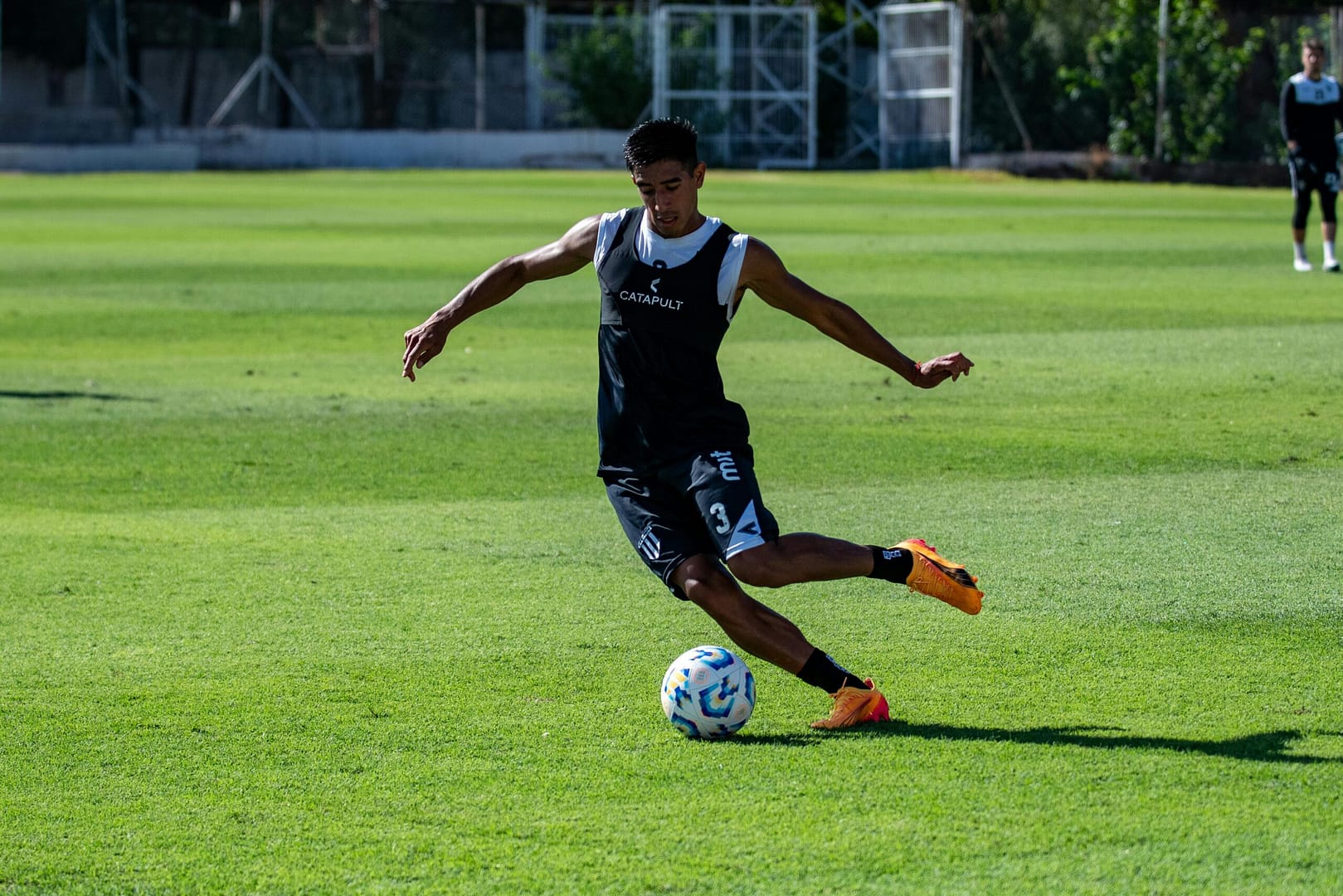
In the blink of an eye, a soccer match can turn from a stalemate to a goal-scoring frenzy. This critical moment, often lasting just four seconds, is where games are won or lost. This is the essence of transition drills in youth soccer. Transitions refer to the swift shifts from attack to defense and vice versa.
These moments are pivotal because most goals in youth soccer are scored during these transitional phases. This guide will walk you through age-appropriate transition drills, specific exercises, and common pitfalls to help coaches implement effective youth soccer training or learn more about it on goalnyx.
Understanding Transitions in Youth Soccer
Transition drills are crucial for youth players to master two fundamental types of transitions: defensive transition and attacking transition.
Defensive Transition (Attack to Defense)
When a team loses possession, the immediate response is crucial. Players must recognize the loss of the ball and apply pressing triggers to win it back quickly. This is the foundation of defensive transition drills soccer.
The next step is to recover the defensive shape, ensuring that players are positioned correctly to prevent counterattacks. For younger players (U8), the focus is on simple quick ball recovery and basic positioning. As players age (U14), the complexity increases, incorporating high-press tactics and positional play.

Attacking Transition (Defense to Attack)
Winning the ball back is just the beginning. Players must make quick decisions on whether to retain possession or pass forward to exploit disorganized defenses. This is where attacking transition soccer drills come into play. Players need to understand spacing, support runs, and the timing of runs to create scoring opportunities. This type of transition training enhances decision-making, spatial awareness, and tactical intelligence, all of which are vital for a player’s development.
Age-Specific Transition Training Philosophy
How to Adapt Transition Drills by Age Group
Adapting transition drills to different age groups is essential for effective youth soccer drills by age. Here’s a quick breakdown:
U6-U8: Focus: Fun-based transition recognition Complexity: 1v1, 2v2 max Key concept: “When we lose it, get it back fast”
U9-U12: Focus: Decision-making in 3v3 to 5v5 Complexity: Multi-directional play Key concept: Recognizing numerical advantages
U13-U16: Focus: Tactical execution under pressure Complexity: 8v8 to 11v11 scenarios Key concept: Organized pressing and counter-attacks
Critical coaching point: Don’t just scale the field, scale the DECISIONS. As players get older, the complexity of the decisions they need to make increases. This progression ensures that players are challenged appropriately at each stage of their development.
7 Essential Transition Drills for Youth Soccer
Drill 1: Quick Transition 3v3+3 Neutrals
Setup: Create a 30×20 yard grid with three teams. One team starts with possession, while the other two teams act as defenders and neutrals.
Execution: The possession team, along with neutrals, plays against the defenders. On a turnover, the roles switch immediately. The team that just lost possession becomes the defenders, and the neutrals join the new possession team.
Coaching Points: Emphasize the first action after winning the ball and the timing of defensive pressure. Players should understand the importance of transition speed and first-touch control.
Age Variations: This drill is core for U10-U12 players. For younger players (U8-U9), simplify to 2v2 to focus on basic transition phases.
Drill 2: 4v4+4 Double Grid Transition
Setup: Set up two grids with outside support players. Each grid has four players, and the support players can move between grids.
Execution: The team that wins the ball must quickly pass to a support player in the transition zone and then score in the opposite grid.
Coaching Points: Encourage players to keep their heads up and scan for support angles. This drill enhances ball circulation and player communication.
Age Variations: This drill is optimal for U12+ players. For younger players, reduce the number of support players to simplify the drill.
Drill 3: 1v1 Continuous Transition
Setup: Use small goals and set diagonal starting positions for attackers and defenders.
Execution: After each action, the attacker becomes the defender immediately. This continuous switching helps players develop mental switching speed and body positioning.
Coaching Points: Focus on the speed of transition and the ability to quickly switch roles. This drill is excellent for improving reaction time and agility.
Age Variations: Suitable for U8+ players, making it perfect for young players to understand the basics of transition phases.
Drill 4: 8v8 Breakout to Goal
Setup: Divide the field into three zones. The middle zone is for possession play, while the end zones are for scoring.
Execution: When a team turns over the ball in the middle zone, they must sprint to the end zone to score. The goalkeeper restarts play from the middle zone.
Coaching Points: Emphasize the recognition of the transition moment and the speed of execution. This drill helps players understand the importance of conditioning and tactical awareness.
Age Variations: Ideal for U13+ players. For younger players, reduce the number of players to 4v4 to simplify the drill.
Drill 5: 2v1 to 3v2 Directional Transition
Setup: Use a full field with goals. Start with a 2v1 scenario, then transition to a 3v2 scenario after the first attack.
Execution: After the initial attack, the roles reverse with a numerical change. This drill helps players understand 3-v-2 overload and 4-v-3 breakaway situations.
Coaching Points: Focus on exploiting numerical advantages and defensive recovery. This drill enhances decision-making and tactical intelligence.
Age Variations: Suitable for U11+ players. For younger players, start with a 1v1 scenario and gradually increase the numbers.
Drill 6: Counter-Press Box Drill
Setup: Create a 20×20 yard grid for possession-based play.
Execution: On a turnover, the team that lost possession must immediately apply a 5-second press. This drill introduces players to the concept of gegenpressing.
Coaching Points: Teach players to apply pressure from the closest player and cut passing lanes. This drill improves pressing triggers and positional play.
Age Variations: Introduce this drill to U10+ players. For younger players, reduce the pressing time to 3 seconds to simplify the drill.
Drill 7: Three-Team Rotation Game
Setup: Use a full field with three teams of four players each.
Execution: The team that scores attacks the opposite goal against the waiting team. After scoring, the waiting team becomes the defenders.
Coaching Points: Emphasize the quick mental reset and maintaining intensity throughout the drill. This drill enhances transition speed and game-like scenarios.
Age Variations: Suitable for U12+ players for full complexity. For younger players, reduce the number of players to 3 per team to simplify the drill.
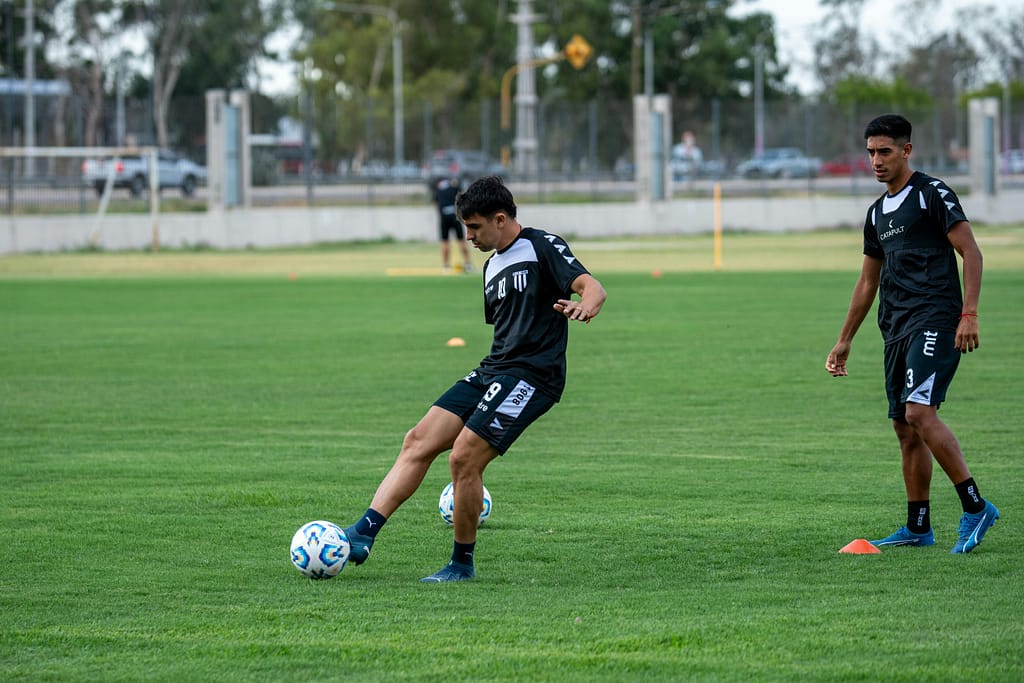
Common Mistakes Coaches Make
Mistake 1: Making drills too complex too early
Why it fails: Cognitive overload can overwhelm young players, leading to confusion and poor execution.
Fix: Start with simple transition recognition drills and gradually add complexity. Use progressive overload to challenge players appropriately.
Mistake 2: Not emphasizing the “trigger moment”
Why it fails: Players may not recognize when a transition occurs, leading to delayed responses.
Fix: Freeze the drill at the transition moment and highlight visual cues. Use coaching cues to emphasize the importance of quick recognition.
Mistake 3: Allowing walking during transitions
Why it fails: Walking does not replicate the intensity of game situations, leading to poor conditioning and agility.
Fix: Mandate sprint requirements and enforce consequences for walking. Use performance metrics to track improvement.
Mistake 4: Focusing only on attacking transitions
Why it fails: Defensive transitions are crucial for preventing goals and maintaining possession.
Fix: Balance training time equally between attacking transition and defensive transition drills. Ensure players understand both phases of the game.
Mistake 5: No positional responsibilities in drills
Why it fails: Without assigned roles, players may not learn tactical responsibilities, leading to chaos on the field.
Fix: Assign specific positional responsibilities even in small-sided games. Use drill variations to keep players engaged and learning.
Implementing Transition Drills in Practice
Weekly Structure Suggestion:
Warm-up: Start with quick 1v1 or 2v2 transition drills to get players moving and thinking about quick changes in possession. This should take about 10 minutes.
Mid-week: Dedicate a full session to transition drills, focusing on specific exercises that target both attacking transition and defensive transition. This session should last 20-25 minutes.
Pre-game: Incorporate high-intensity transition scenarios to prepare players for the intensity of a match. This should take about 15 minutes.
Progression Model:
Week 1-2: Introduce the concept of transitions and focus on recognition. Use simple small-sided games to help players understand when a transition occurs.
Week 3-4: Add decision-making pressure by increasing the complexity of the drills. Encourage players to make quick decisions and execute them effectively.
Week 5-6: Move to game-speed execution. Players should be able to recognize and react to transitions quickly and efficiently.
Week 7+: Introduce tactical variations and adjustments. Players should be able to execute transition drills under various game-like scenarios.
Key Coaching Cue: “Transition is a MOMENT, not a phase.” Emphasize the importance of quick recognition and execution during transitions.
Frequently Asked Questions
Why are transition drills important in youth soccer?
Transition drills are crucial because most goals in youth soccer are scored during transitional moments. These drills help players develop the skills needed to quickly recognize and react to changes in possession, enhancing their overall game awareness and tactical intelligence.
How can coaches adapt transition drills for different age groups?
Coaches should focus on age-appropriate expectations and gradually increase the complexity of the drills as players get older. For younger players, focus on fun-based recognition and simple decision-making. As players age, introduce more complex scenarios and tactical execution under pressure.
What are some common mistakes coaches make when implementing transition drills?
Common mistakes include making drills too complex too early, not emphasizing the “trigger moment,” allowing walking during transitions, focusing only on attacking transitions, and not assigning positional responsibilities. Coaches should start with simple recognition drills, emphasize quick reactions, enforce sprint requirements, balance training time, and assign specific roles.
How can coaches program transition drills into their training sessions?
Coaches should incorporate transition drills into their weekly training structure. Start with quick warm-up drills, dedicate a full session to specific transition exercises mid-week, and include high-intensity scenarios pre-game. Progress from recognition to decision-making pressure to game-speed execution over several weeks.
What are some key coaching cues for transition drills?
Key coaching cues include emphasizing the importance of quick recognition and execution, using visual cues to highlight transition moments, and mandating sprint requirements to replicate game intensity. Coaches should also focus on positional responsibilities and tactical awareness to ensure players understand their roles during transitions.
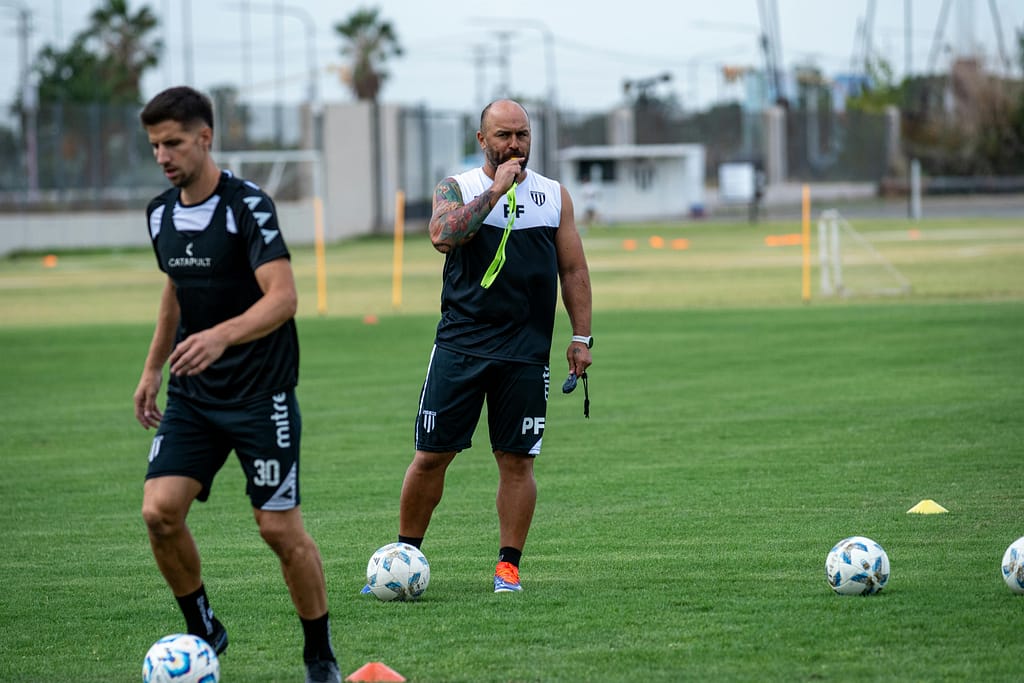
Conclusion
Transitions determine the outcome of games, and youth players need specific training to excel in these moments. By implementing age-appropriate transition drills from section IV, coaches can help players develop the skills needed to succeed. Remember, the goal is progress over perfection. The best teams don’t just play, they transition with intent. Start with one of the drills outlined in section IV and gradually incorporate more as your players become comfortable with the concepts.
Focus on continuous improvement and adaptation. Use progressive overload to challenge players and help them grow. The teams that master transitions are the ones that will dominate the field.
By prioritizing transition training, coaches can build well-rounded players who understand the game at a deeper level. Download drill cards, share your experiences, and ask questions to continue improving your youth soccer development strategies.