

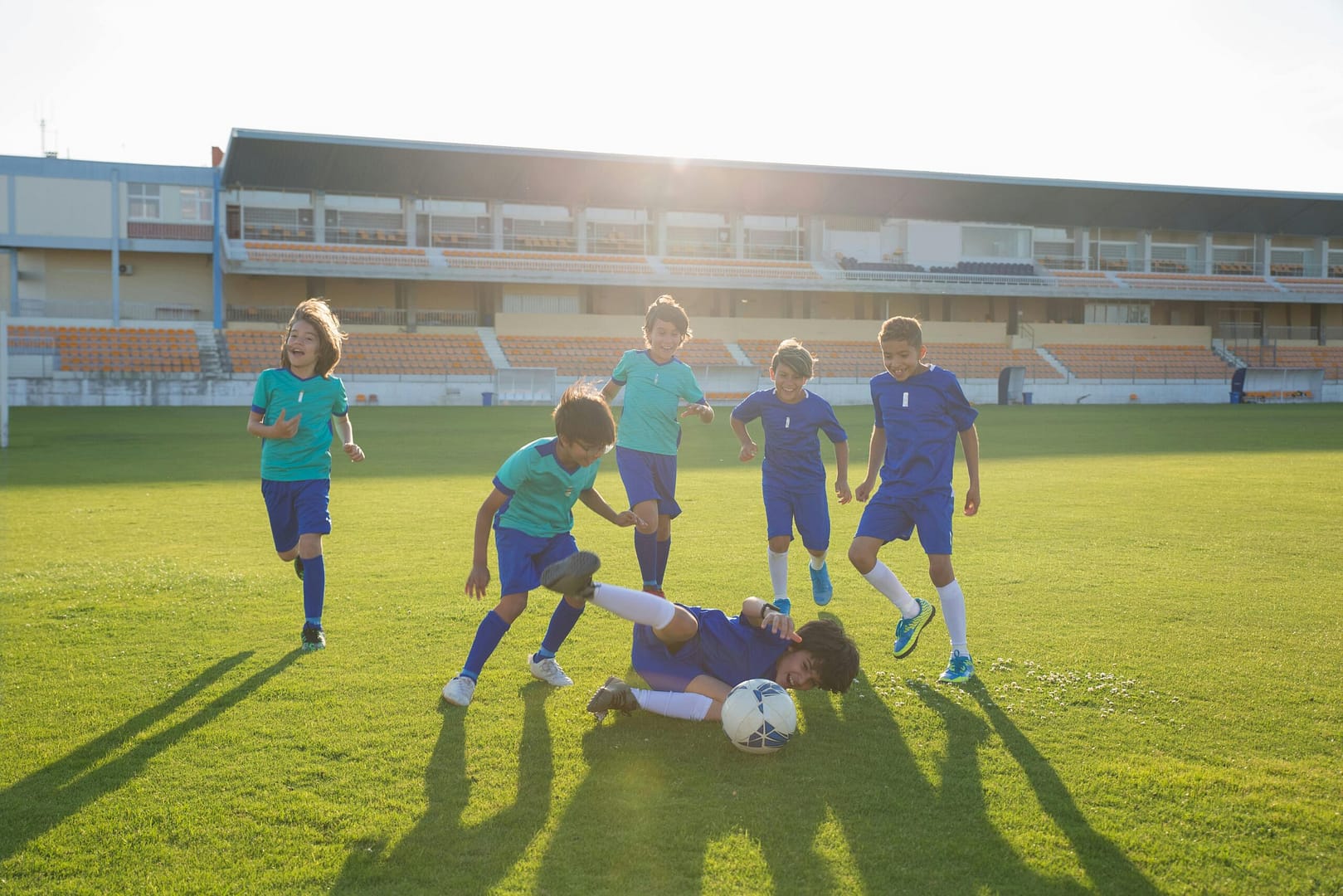
Most youth wing play is trash not because kids lack talent, but because coaches keep feeding them generic, lazy drills that don’t match real game demands of wing play drills. If you’re running endless cones dribbling down the sideline and calling it development, you’re wasting training time. Youth players in wide areas need specific preparation.
Wing play is one of the most underdeveloped parts of youth soccer drills, and that failure shows up every weekend when wide players panic, overdribble, or smash hopeless crosses and also learn more about it from goalnyx.
Modern soccer lives and dies in wide areas. From left wing right wing penetration to intelligent touchline play, effective flank players stretch defenses, create space, and decide matches. Yet in most kids soccer practice environments, wing roles are treated as a fallback position for fast players not as a skill-based attacking position.
This article cuts through the nonsense. You’ll learn age-appropriate soccer drills that actually work, not theory copied from adult pro sessions. These winger drills are designed for real match situations, grounded in youth player development, and scalable across U10/U12/U14/U16 soccer training. If you’re serious about improving wing play, read carefully and be ready to change how you run your training sessions.
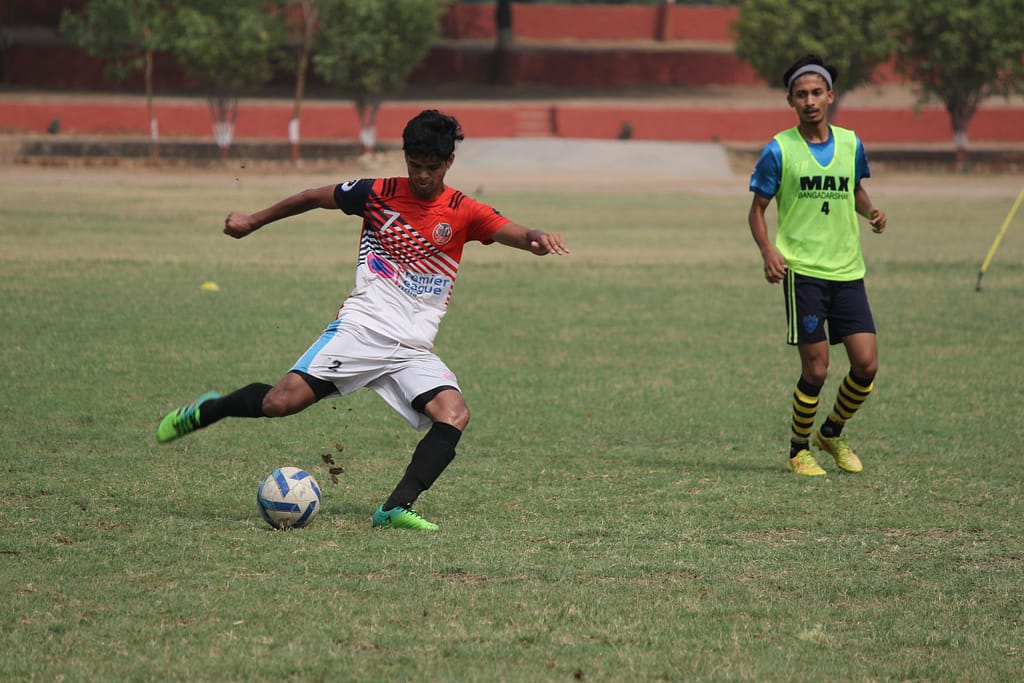
Understanding Wing Play Fundamentals for Young Players
An effective youth winger isn’t just fast. Speed without decision-making is useless. Real wing players combine pace, ball mastery, and awareness under pressure. At the youth level, the fundamentals of wide player training revolve around three pillars: receiving on the move, attacking defenders, and contributing defensively. Miss any one of these, and your winger becomes predictable.
Here’s where coaches mess up. They try to coach youth wing play like adult tactics. That’s garbage. Youth wing forwards, wide midfielders, and outside forwards operate in chaotic environments. Spacing is inconsistent. Defensive shape collapses quickly. This means young players need reps in problem-solving, not chalkboard lectures.
Expectations must match age. U8 and U10 players should focus on confidence, dribbling drills, and recognizing open space. U12 players can start learning timing when to go, when to pass, when to hold width. By U14 and U16, players should understand attacking thirds, final third play, and how their movement impacts teammates in attacking positions.
Common coaching mistakes include over-coaching positioning, discouraging risk, and ignoring defensive responsibility. Wing play is not a luxury role. It’s a two-way job tied directly to build-up play, transition play, and team balance. If your wide players don’t understand that, development stalls fast.
Essential Skills Youth Wingers Must Develop
Wing play collapses without technical foundation. Before worrying about systems or formations, youth players must master core skills that translate directly into games. First is close control at pace. A winger who can’t manipulate the ball while sprinting is easy to defend. This is where ball control drills combined with movement matter more than static touches.
Crossing is next and no, blasting the ball isn’t crossing. Proper crossing drills teach body shape, target awareness, and timing. Young players must learn when to deliver, not just how. A bad cross is often worse than no cross at all.
Third is 1v1 attacking. Beating defenders is a learned skill, not a personality trait. Players need repetition in feints, changes of pace, and angles of approach. Add agility drills and speed training soccer elements to make these actions game-realistic.
Defensive work is non-negotiable. Tracking back, delaying attackers, and supporting fullbacks are essential for modern wing positions. Lastly, communication ties everything together. Wingers must connect with overlapping runs, strikers, and midfielders to create coordinated attacking play.
5 Progressive Wing Play Drills for Youth Players
Drill 1: The Gauntlet 1v1 Wing Dominance
This drill attacks the heart of wing play: isolation and courage. Set up a narrow channel along the touchline with cones. One attacker starts with the ball, one defender squares up. The attacker must beat the defender and dribble through an end gate. Simple but brutally effective.
Execution matters. Attackers must approach at speed, vary tempo, and commit the defender before making a move. Coaching points include body feints, protecting the ball, and accelerating after the move. Common errors? Slowing down and drifting central instead of using width.
For U10 players, reduce pressure and allow passive defending. For U14, add a recovery defender to simulate real game scenarios. This drill directly improves beating defenders, confidence, and decision-making under pressure core components of effective winger drills.
Drill 2: Cross-and-Finish Combo Drill
This is where fantasy meets reality. Set up multiple crossing zones on both flanks. One wide player delivers the ball, while two attackers time runs into the box. Rotate roles frequently.
The key is timing. Players must read body shape and attack space not stand flat-footed. Encourage low, driven balls and cutbacks, not hopeful lofts. Add a passive defender, then active pressure, to force faster decisions.
This drill integrates finishing drills with wide play, reinforcing how wing actions directly affect goal scoring. It also sharpens awareness in the final third play, making it ideal for offensive players learning combination play.
Drill 3: Overload Attack from Wide Areas
Create a 3v2 or 4v3 in a wide channel leading into the box. Attackers start with a numerical advantage and must exploit it quickly. This simulates attacking thirds scenarios where wingers must decide: cross, cut inside, or recycle possession.
Decision-making is the focus. Players learn to recognize creating space, use overlapping runs, and choose efficient options. Add a scoring system to reward smart choices, not just goals.
This drill supports possession soccer principles while maintaining vertical threat. It’s excellent for teaching cutting inside and understanding how wide play connects to central areas.
Drill 4: Transition Wing Sprint Challenge
Start with a defensive action interception or tackle then explode into attack. The winger must carry the ball 30–40 yards and make a decision under time pressure. Add a chasing defender to enforce speed.
This drill builds explosive acceleration and teaches recognition of counter-attacking moments. When to go? When to slow? These instincts are critical in modern soccer.
Recovery runs are included when possession is lost, reinforcing defensive accountability. This drill directly links transition play with wing responsibilities, something most training exercises completely ignore.
Drill 5: Wing Rondo with Directional Play
Set up a rondo with forced exits to wide zones. Players must circulate possession and then break pressure by playing to a winger who drives forward. Limit touches to increase tempo.
This builds comfort receiving under pressure and transitioning into attack. Scale difficulty with touch limits or added defenders. It blends small-sided games with positional learning, ideal for advanced youth football training environments.
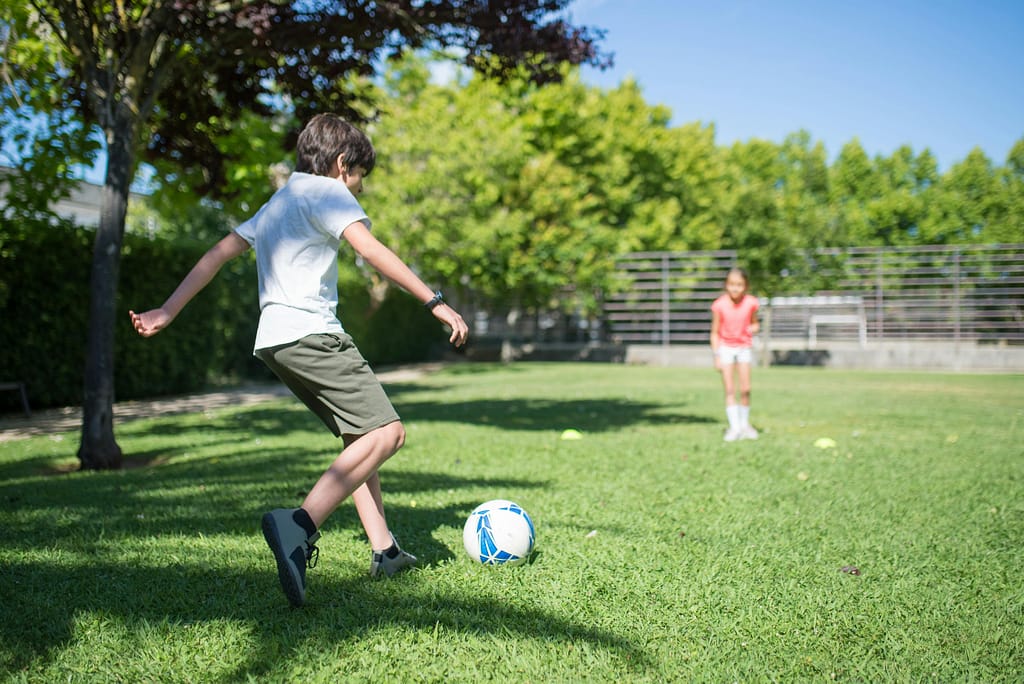
Common Mistakes Youth Wingers Make
The biggest problem? Heads down dribbling. Players get tunnel vision and miss teammates. Fix it by demanding scanning before receiving. Next is poor crossing rush, off-balance, and inaccurate. Slow the moment down in training and emphasize technique.
Defensive laziness kills development. If a winger won’t track back, they’re not a winger they’re a liability. Make defensive recovery a scoring condition in drills.
Predictability is another killer. If a player always goes down the line, defenders adjust. Encourage variation: cutting inside, passing back, or switching play. Clear coaching cues and consistent feedback turn bad habits into progress.
Coaching Tips for Maximizing Wing Play Development
Train wide players at least twice per week in focused blocks. Balance individual skill work with team-based practice drills. Use video sparingly but effectively short clips beat long lectures.
Competition drives intensity. Add scoring systems, time limits, and consequences. Communicate clearly with parents about positional training to avoid confusion or resistance.
Most importantly, design progressive drills that evolve. Static exercises create static players. Your job as a soccer coach is to prepare players for chaos, not perfection.
Frequently Asked Questions
What are the best soccer drills for playing ball to wing in youth teams?
The best soccer drills for playing ball to wing are drills that replicate real match situations, not static passing patterns. Directional rondos, overload wide-area games, and transition-based practice drills teach players how to recognize space, switch play, and deliver the ball into wide channels under pressure. These youth soccer drills should emphasize timing, scanning, and decision-making so wide players can receive the ball in attacking positions with purpose rather than panic.
How do winger drills differ across U10, U12, U14, and U16 soccer training?
In U10/U12/U14/U16 soccer training, winger drills evolve with cognitive and physical development. U10 sessions focus on dribbling drills, ball confidence, and basic 1v1 attacking. U12 introduces crossing drills and simple counter-attacking concepts. By U14 and U16, drills must include transition play, defensive recovery, and tactical decisions in the final third play. Age-appropriate progression is essential for long-term youth player development.
Why is wide player training important in youth football training?
Wide player training is critical in youth football training because flank play stretches defenses and creates space centrally. Well-trained wing forwards, wide midfielders, and outside forwards improve team shape during build-up play, increase penetration in attacking thirds, and support defensive balance during transition play. Ignoring wing development leads to predictable attacking play and stalled offensive growth.
What skills should youth wingers focus on during kids soccer practice?
During kids soccer practice, youth wingers should prioritize ball control drills, explosive movement from speed training soccer, and change-of-direction through agility drills. Tactical awareness such as overlapping runs, cutting inside, and creating space is just as important as technical ability. Consistent exposure to realistic game scenarios accelerates learning far more than isolated cone exercises.
How can small-sided games improve flank play for offensive players?
Small-sided games force offensive players to make faster decisions in tight spaces, which directly improves flank play. By designing games with wide channels or bonus points for successful wing actions, soccer coaches can reinforce touchline play, beating defenders, and effective finishing drills in live match situations. These environments mirror real pressure better than traditional drills.
Conclusion
Dedicated wing training isn’t optional, it’s essential for real youth player development. Effective flank play drives modern attacking play, connecting build-up play to decisive actions in the final third play.
When coaches use structured soccer drills for playing ball to wing, young offensive players learn how to operate in wide spaces with confidence instead of reacting blindly under pressure. The goal of quality wide player training is not just speed, but smart movement, clean execution, and decision-making in real match situations.

Coaches should avoid overloading training sessions with too many ideas. Instead, select one or two proven practice drills that focus on touchline play, creating space, and proper positioning in key attacking positions.
Run those drills consistently, refine them over time, and scale them to U10/U12/U14/U16 soccer training needs. In youth soccer drills, consistency always beats creativity. If you want better wing forwards and outside forwards, stop guessing, commit to purposeful training exercises, and develop wide players the right way.