

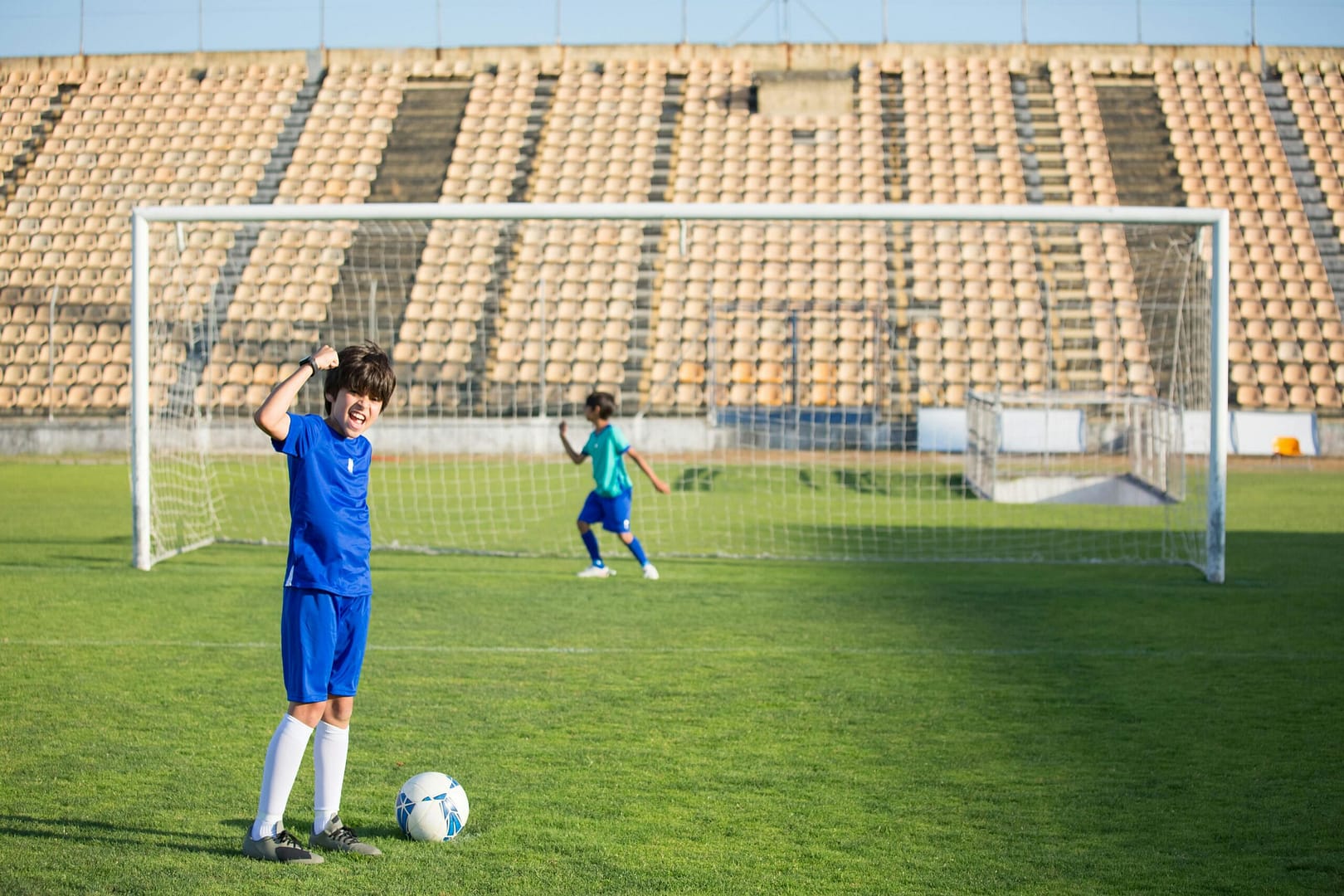
There is a brutal truth most parents and coaches don’t want to hear: talent and training mean nothing if a young athlete is fueled like a couch-sitter. The gap between youth athletic performance and nutritional understanding is massive, and it’s costing kids wins, confidence, and long-term potential of youth soccer nutrition.
Too many young players train hard all week and then sabotage themselves with random meals, skipped breakfasts, or sugar-loaded snacks that crash their energy levels halfway through the game and learn more about it on goalnyx.
This is where youth sports nutrition stops being a “nice-to-have” and becomes non-negotiable. Most young athletes eat like recreational players, not competitors with real metabolic demands.
This article delivers age-appropriate, science-backed strategies that improve performance, accelerate recovery, and protect long-term health. No fluff. No influencer nonsense. Just practical, evidence-driven guidance that actually works for growing bodies chasing real results.
Why Nutrition Matters More for Young Soccer Players
Soccer is not just running around chasing a ball. Youth soccer combines repeated sprints, sudden direction changes, technical focus, and decision-making, often layered on top of rapid growth and development.

A typical week includes multiple practices, games, and sometimes tournaments, all while the body is building bone, muscle, and neural connections. That means the calorie requirements of a young player are often higher than adults expect, yet many are under-fueled.
Poor nutrition shows up fast. Kids fade in the second half, struggle with concentration, and take longer to bounce back after games. Chronic under-fueling increases injury risk, compromises muscle recovery, and limits gains from endurance training.
The most dangerous myth is, “They’re kids, they can eat anything.” That mindset ignores that young athletes have higher nutrient timing sensitivity than adults. The habits formed now set the ceiling for future athletic performance. You can’t out-train a bad diet, especially in a developing body.
Core Nutritional Principles for Youth Soccer Athletes
At the center of effective sports performance nutrition is balance. Young soccer players need the right macronutrient ratio to fuel activity, support recovery, and sustain growth.
Carbohydrates are the primary fuel source and should make up roughly 45–65% of daily intake. Active kids need more carbs than sedentary peers because soccer repeatedly drains muscle glycogen. Emphasizing complex carbohydrates like whole grains, potatoes, fruits, and vegetables supports sustained energy rather than spikes and crashes. Misunderstanding carbs leads directly to poor stamina and endurance late in games.
Protein supports tissue repair and growth. Appropriate protein intake for kids depends on body weight and training load, but most young athletes do best with regular intake spread across the day. Emphasizing lean protein sources like eggs, dairy, poultry, beans, and fish ensures muscles repair without excessive fat intake.
Healthy fats are often neglected, yet they’re essential for hormone production and brain development. Nuts, seeds, olive oil, and fatty fish support cognitive focus and overall optimal fueling.
Hydration is just as critical. Hydration for athletes starts before practice, continues during play, and finishes after activity. Ignoring electrolyte balance leads to early fatigue and cramping. Parents often miss subtle dehydration signs like irritability or reduced focus, which directly hurt performance.
Game Day Nutrition Strategy
Game day exposes every weakness in a soccer player diet plan. Preparation matters more than motivation.
A proper pre-game meal eaten three to four hours before kickoff should be rich in carbohydrates, moderate in protein, and low in fat and fiber to avoid stomach issues. Think simple, familiar foods that digest well. This is not the time for experimentation or extreme carbohydrate loading, which is unnecessary for most youth matches and often backfires.
Thirty to sixty minutes before play, a light snack can top off glycogen stores. Easily digestible carbs help maintain blood sugar without heaviness. Portion size matters; younger kids need less, teens slightly more.
During matches longer than 60 minutes, halftime fueling becomes relevant. Small amounts of fruit or diluted sports drinks can help maintain performance, especially in heat. The goal is sustaining effort, not sugar overload.
The post-game window is where many parents drop the ball. Post-game recovery nutrition within 30–45 minutes accelerates glycogen replenishment and muscle repair. A carb-to-protein balance supports muscle recovery and reduces soreness. Real food beats supplements every time for youth athletes, both nutritionally and psychologically.
Daily Nutrition Framework for Training Days
Consistency beats perfection. A solid training diet supports daily adaptation and reduces injury risk.
Breakfast sets the tone for the entire day. Skipping it disrupts blood sugar and compromises morning focus. A balanced breakfast improves insulin sensitivity and supports sustained energy levels. Even quick options can meet performance needs when structured correctly.
Lunch is often the most challenging meal due to school schedules. Many cafeteria options fall short, forcing parents to think strategically. Packed meals that balance carbs, protein, and micronutrients support afternoon training without digestive discomfort. This is where intentional meal planning for athletes separates serious preparation from guesswork.
Dinner should support recovery and prepare the body for the next day. Family meals can align with athletic needs by emphasizing carbs, vegetables, and protein without obsessive tracking. Visual portion cues work better than calorie counting for kids.
Strategic snacking matters most between school and practice. This window determines whether a player trains sharp or sluggish. Healthy snacks for athletes prevent overeating later and stabilize performance. Evening snacks may also support early-morning sessions.
Supplements: What Young Athletes Actually Need
Most young athletes do not need supplements to support athletic performance or healthy growth and development. A well-planned diet that follows strong youth sports nutrition principles already provides adequate vitamin and mineral intake to meet daily metabolic demands.

Whole foods support energy levels, muscle recovery, and long-term health far more effectively and safely than powders, pills, or drinks. The supplement industry often markets fear to parents, suggesting that performance will suffer without products, but this messaging is not based on real sports performance nutrition needs for kids.
There are only a few exceptions. Vitamin D or iron supplementation may be appropriate, but only when a deficiency is confirmed through medical testing. Using supplements without diagnosis does not improve endurance training, stamina and endurance, or injury prevention, and can increase health risks.
Products such as protein powders designed for adults, stimulant-based pre-workouts, and creatine do not support proper protein intake for kids and may disrupt normal development.
When questions arise about optimal fueling or nutrient gaps, families should consult a qualified sports nutritionist or pediatrician. Guesswork and internet advice are not substitutes for professional guidance, especially when supporting young athletes.
Common Nutrition Mistakes Parents Make
One of the biggest mistakes in youth athletics is treating children like smaller versions of adults. When parents apply restrictive diets, adult diet trends, or unnecessary calorie cuts, they directly interfere with growth and development and long-term athletic performance.
Young bodies are still building muscle, bone, and neural pathways, and cutting fuel limits that process. This often shows up as low energy levels, poor focus, and reduced training quality.
Another common issue is the overuse of processed bars and sports drinks. While these products have a place, relying on them daily replaces real food and weakens a child’s ability to regulate hunger naturally. This habit disrupts optimal fueling and reduces diet quality over time.
Ignoring hunger cues or forcing children to eat when they are not hungry damages their relationship with food. This disrupts natural appetite control and can negatively affect metabolic demands as they grow. Nutrition should change between peak season and off-season to match training load and calorie requirements, yet many families fail to adjust intake.
Using food as a reward or punishment creates emotional associations that last into adulthood. These patterns increase stress around eating, impair sports performance nutrition, and can quietly sabotage both health and performance for years.
Age-Specific Considerations
For ages 6–10, the priority is building a positive relationship with food while supporting normal growth and development. At this stage, young players are not chasing peak performance; they are learning movement, coordination, and basic game skills. Nutrition should focus on variety, regular meals, and simple youth sports nutrition habits that support stable energy levels. Over-structuring food or pushing rigid rules at this age is counterproductive and can create resistance later.
Between ages 11–14, the body changes fast. Growth spurts, puberty, and increased training volume dramatically raise metabolic demands and overall calorie requirements. This is where many players fall behind. Inadequate fueling leads to fatigue, stalled progress, and higher injury risk. A balanced training diet with enough carbohydrates, protein, and fluids becomes essential to support endurance, concentration, and early athletic performance gains.
Ages 15–18 are the most complex. Players push harder, train more, and often tie self-worth to results. Nutrition must now support strength, recovery, and injury prevention without extreme restriction. Smart sports performance nutrition helps optimize output while protecting physical and mental health during a critical developmental window.
Practical Implementation Guide
Successful youth sports nutrition is not about perfection; it is about systems that work consistently. Simple weekly planning improves meal planning for athletes, reduces daily stress, and supports stable energy levels throughout training and competition. When meals and snacks are prepared in advance, young players are more likely to meet their calorie requirements without relying on last-minute, low-quality options.
Gaining cooperation from selective eaters requires patience and routine. Consistency builds trust and supports long-term growth and development, while forced eating habits often damage performance and recovery.
High-level sports performance nutrition does not depend on expensive products or supplements. Balanced meals built around complex carbohydrates, lean protein sources, and adequate vitamin and mineral intake can support optimal fueling on any budget.
For busy competition schedules, especially tournaments, preparation becomes even more important. Portable foods help maintain game day nutrition, protect electrolyte balance, and support steady hydration for athletes when access to quality meals is limited.
Planning ahead also improves nutrient timing, enhances muscle recovery, and sustains athletic performance across multiple matches. When nutrition is treated as part of the training process, young players develop better habits, stronger resilience, and more reliable performance over time.
Frequently Asked Questions
What should young soccer players eat before a game?
A proper pre-game meal should be consumed 3-4 hours before kickoff, focusing on complex carbohydrates like whole grain pasta, brown rice, or oatmeal with lean protein. This ensures optimal energy levels without causing digestive discomfort. Avoid high-fat and high-fiber foods that slow digestion during competition.
How does hydration affect athletic performance in youth soccer?
Proper hydration for athletes is critical for maintaining stamina and endurance throughout matches. Young players should drink water every 15-20 minutes during activity. Electrolyte balance becomes important in hot conditions or games exceeding 60 minutes. Dehydration reduces performance by 10-20% even at mild levels.
What are the best post-game recovery foods for young athletes?
Post-game recovery requires consuming protein intake for kids combined with carbohydrates within 30-45 minutes. Chocolate milk, turkey sandwiches, or Greek yogurt with fruit provide an ideal macronutrient ratio (3:1 or 4:1 carbs to protein) to replenish glycogen stores and support muscle recovery effectively.
Do youth soccer players need sports drinks during practice?
Sports drinks are necessary only during intense sessions exceeding 60 minutes or in hot weather. For shorter practices, water suffices for hydration for athletes. Sports drinks provide electrolyte balance and quick carbohydrate loading, but unnecessary consumption adds excess sugar and calories to young athletes’ diets.
How can parents create a meal planning strategy for young athletes?
Effective meal planning for athletes focuses on nutrient timing around training schedules. Include lean protein sources, whole grains, and vegetables at each meal. Consult a sports nutritionist for personalized calorie requirements based on age, training intensity, and growth and development needs specific to your child.
Conclusion
Fueling young soccer players correctly is not optional; it is the foundation of long-term athletic performance and healthy growth and development. Without proper youth sports nutrition, even the most talented athlete will struggle to meet the physical and mental metabolic demands of training and competition.

A structured soccer player diet plan built around balanced meals, smart nutrient timing, and consistent hydration for athletes supports stable energy levels, better focus, and improved stamina and endurance on the field.
Simple habits matter more than complex strategies. Prioritizing complex carbohydrates, adequate protein intake for kids, and overall macronutrient ratio helps meet daily calorie requirements and supports effective muscle recovery. Consistent hydration and maintaining proper electrolyte balance reduce fatigue and lower the risk of cramps and injury. These fundamentals outperform any single drill or short-term training tweak.
Parents and athletes should start small by improving one daily meal or adding healthy snacks for athletes around training. Over time, this builds a sustainable training diet that supports optimal fueling, effective post-game recovery, and long-term injury prevention. When performance stalls or questions arise, working with a qualified sports nutritionist ensures nutrition supports development rather than limiting it.